






More Than Just a Splash
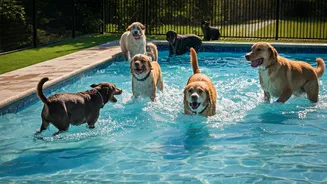
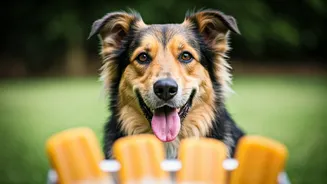
As summer temperatures soar, keeping pets safe becomes a top priority for owners. Pavement can burn paws, and thick fur coats turn a simple walk into a risky activity. In response, creative communities and pet-friendly businesses are organizing ‘paw-ties’
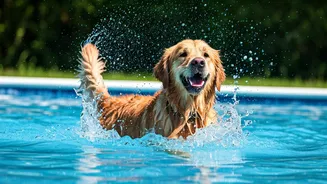
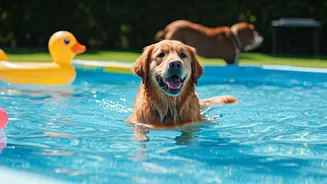
at local or private pools. These events are more than just a cute photo opportunity; they are a practical solution to a serious problem. They provide a safe, controlled environment where dogs can exercise and cool down without the risk of heatstroke. Beyond the physical benefits, these gatherings foster a strong sense of community among pet parents, offering a space to share tips, socialize (for both humans and canines), and celebrate the bond they share with their animals. It’s a trend that beautifully combines recreation with responsible pet care.
Safety is the Head Lifeguard
The idea of a pool full of happy, splashing dogs is wonderful, but safety must always come first. Not all pools are inherently dog-safe. A crucial first step is ensuring easy entry and exit. If a pool has only steep steps, dogs may struggle to get out, leading to panic and exhaustion. A ramp or a designated shallow end with 'zero-entry' is ideal. Water quality is another key concern. While a well-maintained chlorinated or saltwater pool is generally safe for a brief swim, it's vital to prevent dogs from drinking large amounts of pool water, which can cause stomach upset or, in rare cases, water intoxication. Always have plenty of fresh, clean drinking water available away from the pool. Finally, constant supervision is non-negotiable. Just like with children, a designated 'water watcher' should always have their eyes on the dogs in the pool.
Know Your Dog’s Limits
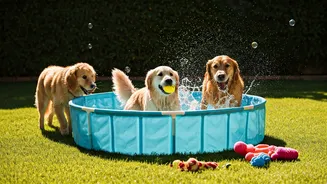
It’s a common misconception that all dogs are natural swimmers. While breeds like Labradors and Golden Retrievers often take to water with glee, others, particularly brachycephalic (flat-faced) breeds like Pugs and Bulldogs, can struggle to breathe and stay afloat. Their body structure makes swimming difficult and risky. Similarly, top-heavy breeds or those with short legs may tire quickly. For these dogs, or for any canine who is new to the water, a well-fitted doggy life vest is an excellent safety tool. It provides buoyancy and can prevent a potential disaster. Pay close attention to your dog’s body language. If they seem hesitant, scared, or are shivering, don't force them in. The goal is fun and safety, not stress. A shallow paddling pool on the side can be a great alternative for pups who prefer to stay on the sidelines.
Hosting Your Own Paw-ty
Inspired to host your own small-scale dog pool party? A little planning goes a long way. First, ensure your own pool is secure with a proper fence to prevent any uninvited or unsupervised dips. Keep the guest list manageable and make sure all attending dogs are well-socialized and comfortable around others. It’s wise to ask for proof of up-to-date vaccinations. During the party, provide plenty of shaded areas for dogs to rest and cool down out of the direct sun. Have multiple bowls of fresh water readily available. After the swim, it's important to rinse your dog with clean water to remove chlorine or salt from their fur and skin, which can cause irritation. Also, be sure to dry their ears thoroughly, as trapped moisture can lead to ear infections. With these thoughtful preparations, you can create a safe and memorable summer experience for you and your furry friends.