

The Problem with Simple Math
When you decide to halve a recipe, it seems logical to simply divide every ingredient quantity by two. While this works beautifully for main components like flour, meat, or vegetables, it’s a recipe for failure with other crucial elements. Cooking processes
don't scale in a perfectly linear way. The relationship between volume and surface area changes, evaporation rates differ, and chemical reactions behave unexpectedly in smaller quantities. This is why your halved chocolate chip cookies might spread into a single flat sheet or your small-batch soup tastes overwhelmingly of spice. Thinking of a recipe as a simple list of numbers is the first mistake; it’s better to see it as a balanced chemical formula where ratios are key, but some components are more sensitive than others.
Ingredients That Don't Scale Linearly
Certain ingredients are notorious for causing trouble when scaled. Salt and spices are prime examples. Their perceived intensity doesn't increase or decrease in a straight line with the volume of the dish. When halving a recipe, a good rule of thumb is to use about 60-75% of the halved amount of salt or potent spices, and then taste and adjust. Leavening agents like baking soda and yeast are also tricky. These ingredients create gas through chemical reactions, and simply halving them can disrupt the delicate balance needed for a proper rise. Too much can create a metallic taste or a structure that collapses; too little results in a dense, sad baked good. And what about that pesky half an egg? The best practice is to whisk a whole egg and then measure out half by weight or volume.
Pan Size and Equipment Matter
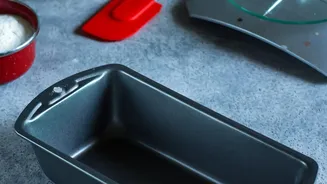
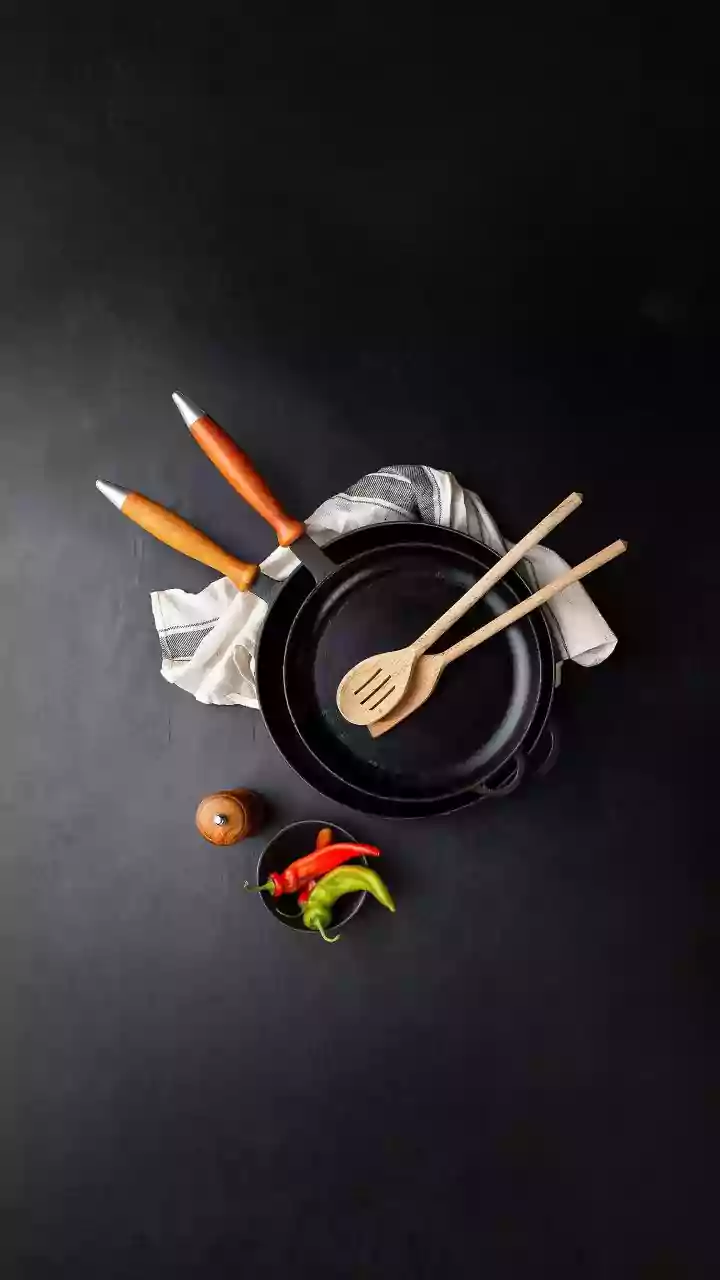
One of the most overlooked aspects of scaling recipes is the cookware. If you halve the ingredients but bake them in the same large pan, you've drastically changed a key variable: batter depth. A shallower layer of batter will cook much faster, potentially burning at the edges before the center is done. When you halve a recipe, you should aim to use a pan that is roughly half the volume or surface area of the original. For example, a recipe made in a 9x13 inch pan (117 square inches) could be halved into an 8-inch or 9-inch round pan. Using the right-sized pan ensures that the food's depth remains consistent with the original recipe's intention, leading to more predictable cooking and even results.
Adjusting Time and Temperature
Because you've changed the total volume of food, you'll almost certainly need to adjust the cooking time. Smaller quantities of food cook faster. There's no magic formula, but a good starting point is to begin checking for doneness at about half to two-thirds of the original recipe's recommended time. Rely on sensory cues—color, aroma, texture, and an internal thermometer—rather than strictly following the clock. In most cases, the oven temperature should remain the same. However, if you are forced to use a pan that makes the batter much deeper than intended, you might consider lowering the oven temperature by about 25°F (around 15°C) to allow the center to cook through without the edges burning.