






The Invisible Cloud Inside Your Home
You might think your home is a sanctuary, but the air inside can be two to five times more polluted than the air outside. This isn't about the dust you can see in a sunbeam. It's about a complex mixture of invisible pollutants that build up when there's
no fresh air to clear them out. The main culprits are Volatile Organic Compounds (VOCs), carbon dioxide (CO2), dust mites, mould spores, and particulate matter from cooking. In our efforts to make homes more energy-efficient and secure, we've also made them airtight traps for these contaminants. Without proper ventilation, every breath you take could be circulating these harmful substances through your body.
Where Do These Pollutants Come From?
Indoor pollution comes from surprisingly common sources. That 'new furniture' smell? It's often formaldehyde, a type of VOC, off-gassing from pressed wood products. Your daily routine contributes, too. Cleaning products, aerosol sprays, air fresheners, and even cosmetics release a cocktail of chemicals into the air. In an Indian kitchen, the tadka for dal or frying a paratha releases fine particulate matter and nitrogen dioxide, especially from gas stoves. Even breathing contributes. In a poorly ventilated room, CO2 levels rise, which can lead to feelings of stuffiness, headaches, and drowsiness. Biological pollutants like pet dander, dust mites, and mould thrive in stagnant, humid environments.
The Health Toll of Stale Air
The effects of breathing polluted indoor air range from subtle to serious. You might experience frequent headaches, dizziness, fatigue, or difficulty concentrating—symptoms often dismissed or attributed to other causes. Experts sometimes refer to this collection of symptoms as 'Sick Building Syndrome', where occupants feel unwell in a specific building but feel relief soon after leaving. For those with allergies or asthma, poor indoor air can be a constant trigger, worsening symptoms like coughing, sneezing, and throat irritation. Long-term exposure is even more concerning, as it can contribute to the development or worsening of chronic respiratory diseases and heart conditions.
The Simple Solution: Let Your Home Breathe
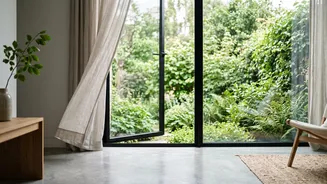
The most effective way to combat the build-up of indoor pollutants is surprisingly simple: open your windows. This act, known as natural ventilation, allows stale, polluted indoor air to escape and be replaced with fresh outdoor air. Creating a cross-breeze by opening windows on opposite sides of your home is particularly effective, as it pushes the old air out and pulls new air in. Even just 15 minutes of ventilation each day can make a significant difference, diluting the concentration of VOCs, reducing humidity that leads to mould, and flushing out allergens like dust and pet dander. It's like hitting a reset button for your home's atmosphere.
Smart Ventilation for Indian Homes
Of course, in many Indian cities, opening windows brings its own challenges, from outdoor pollution and dust to heat and mosquitoes. The key is to be strategic. The best time to ventilate is typically early in the morning when outdoor traffic pollution and temperatures are lower. After a spell of rain is also a great time, as the water helps clear pollutants from the air. Always use your kitchen's exhaust fan or chimney while cooking to vent fumes directly outside. In bathrooms, use the exhaust fan to reduce humidity and prevent mould growth. For bedrooms, a quick 10-15 minute airing out in the morning can clear the CO2 that has built up overnight. For those highly concerned about outdoor air quality, considering an air purifier with a HEPA filter can be a good supplementary step.