





Your Body's Inner Ecosystem
Imagine a bustling metropolis inside your digestive system, populated by trillions of residents. This is your gut microbiome, a complex ecosystem of bacteria, viruses, and fungi. For a long time, we’ve known this community is important, but recent science
is showing it’s more influential than we ever imagined. These microbes aren't just passive hitchhikers; they actively help digest food, produce essential vitamins, regulate our immune system, and even influence our mood. Think of it less as a collection of germs and more as a vital, functioning organ that you can directly influence with every meal.
The Microbial Signature of Food
The headline refers to landmark research, including the large-scale international PREDICT 1 study. Scientists analyzed data from over a thousand individuals, looking at their diets, their gut microbes, and their metabolic health. The findings were stunning. They discovered that specific dietary patterns create consistent and repeatable microbial signatures. In simple terms, people who eat similar diets tend to have similar collections of gut bacteria. The study identified two distinct clusters of microbes: one associated with healthy eating patterns and another with unhealthy ones. This link was so strong that it proved to be a better predictor of some health markers than even genetics.
The 'Good' and 'Bad' Bug Divide
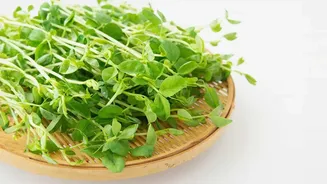
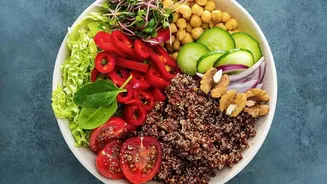
The research paints a clear picture of what feeds a healthy inner ecosystem. Diets rich in a variety of plant-based foods were consistently linked to a diverse microbiome populated with 'good' bacteria. These beneficial microbes are associated with a lower risk of common chronic illnesses like heart disease, type 2 diabetes, and obesity. For instance, a microbiome rich in species like Prevotella copri was linked to better blood sugar control after a meal. On the other side of the spectrum, diets heavy in processed foods, sugar, and unhealthy fats were found to foster 'bad' microbes. This less-desirable microbial pattern is associated with higher levels of inflammation, which is a known risk factor for many chronic conditions.
How to Cultivate a Healthier Gut
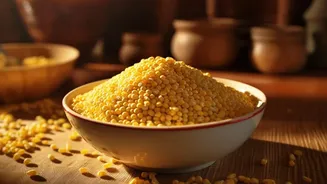
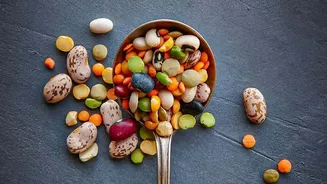
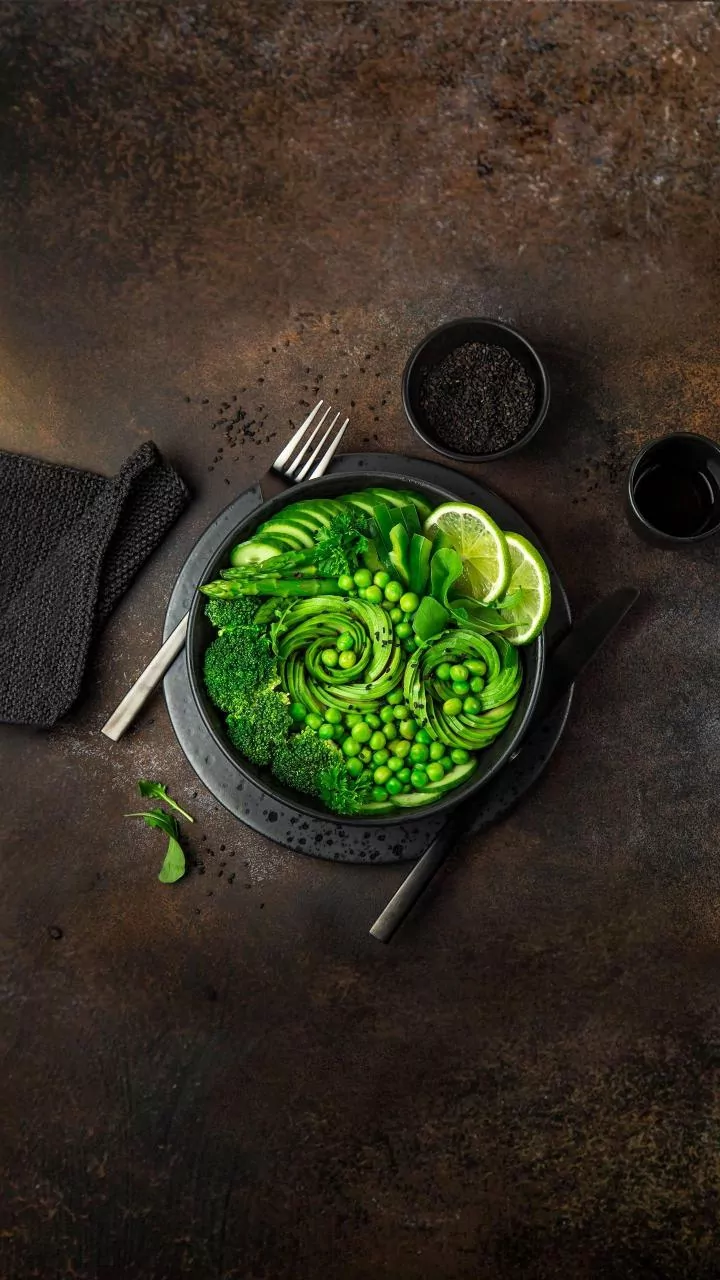
The most empowering part of this research is that your microbiome isn't fixed. Studies have shown that our gut bacteria can change rapidly in response to what we eat—sometimes in as little as 24 hours. The key is consistency. To cultivate a healthier gut, the science points towards a few clear strategies. First, increase your fibre intake. Fibre from fruits, vegetables, legumes, and whole grains is the preferred food for your beneficial gut microbes. Second, embrace diversity in your diet. Eating a wide range of plant-based foods helps promote a more diverse and resilient microbiome. Finally, consider adding fermented foods to your plate. Items like dahi (yogurt), kimchi, and kefir introduce beneficial bacteria directly into your system, which has been shown to increase microbial diversity and reduce inflammation.