





A Hug in a Bowl
There's an almost universal instinct that kicks in when the skies turn grey and the rain begins to fall: a deep-seated need for something warm, nourishing, and comforting. For generations in India, that need has been met by a steaming bowl of soup. More
than just a simple meal, monsoon soups are a tradition, a home remedy, and a culinary hug rolled into one. They are what mothers and grandmothers would prepare to ward off seasonal sniffles and warm the soul on a damp, chilly evening. This season, however, something has shifted. That familiar, homely comfort is no longer just a memory of childhood; it has become a sophisticated culinary trend, moving from the family dining table to the forefront of India's vibrant food scene.
Beyond Bhajiyas and Chai
For years, the undisputed champions of monsoon cravings were a plate of hot bhajiyas and a cup of masala chai. While that classic pairing remains beloved, the modern palate is seeking more. Restaurants and cafes are responding by curating special monsoon menus that go beyond fried snacks. The undisputed star of this new wave is the humble soup, reimagined and celebrated in countless forms. Chefs are digging deep into India's rich culinary heritage, reviving heirloom recipes that offer both nostalgia and complex flavours. This isn't about generic tomato or sweet corn soup; it’s about authenticity and regional pride finding a new audience.
The Old Is New Again
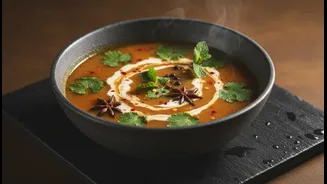
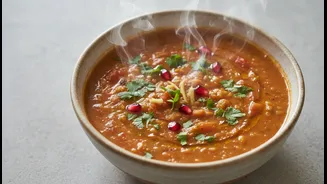
Walk into a cafe in Mumbai, Delhi, or Bengaluru today, and the menu might feature a peppery, tangy Rasam, a dish perfected in South Indian homes as a digestive and immunity booster. You might find a hearty Murgh Shorba, a North Indian chicken broth rich with spices, or a comforting Tomato Saar from Maharashtra, which balances tang and spice with a hint of coconut. Lentil-based soups like Dal Shorba and protein-rich Moong Dal soup, praised for being light and easy to digest, are also making a prominent appearance, often seasoned with traditional anti-inflammatory spices like turmeric, ginger, and black pepper. These are the recipes that have been passed down through generations, now presented with a modern flair that appeals to a new generation of diners seeking both novelty and a connection to their roots.
Why Now? Health Meets Heritage
The resurgence of traditional soups is driven by more than just nostalgia. There's a growing wellness consciousness that aligns perfectly with the principles behind these age-old recipes. According to Ayurveda, the monsoon season, or 'Varsha Ritu', weakens our digestive fire (Agni), making it the ideal time for light, warm, and easily digestible meals like soups, known as 'yushas'. These traditional recipes are packed with ingredients that are scientifically recognised for their health benefits. Ginger, garlic, turmeric, and black pepper are known to support immunity and fight inflammation, making these soups a natural choice for staying healthy during a season known for colds and flu. In a sense, modern science is validating the wisdom that grandmothers have known all along.
A Global Twist on Local Comfort
The trend isn't limited to just Indian recipes. The embrace of soupy comfort has a global flavour. Alongside traditional Indian offerings, many establishments are featuring international bowls that fit the monsoon mood. Comforting bowls of Japanese Ramen, Vietnamese Pho, and spicy Korean Gochujang stew are appearing on special menus, catering to diners with adventurous palates. This fusion shows that the craving for a warm, flavourful bowl of soup is a universal experience. It reflects a dynamic food culture where local traditions are celebrated alongside global inspirations, proving that a comforting soup, whether a familiar dal or an exotic ramen, is the perfect antidote to a rainy day.