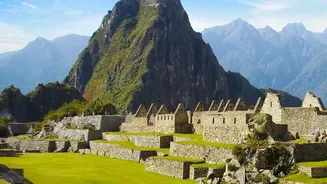



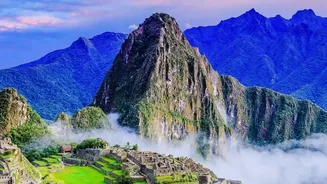
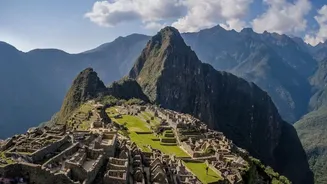

Peru's iconic sights are world-famous for a reason, but the modern reality of travel can mean long queues and packed viewpoints. The term 'overrated' often isn't about the place itself, but the crowded experience. The key is not to skip them.
Machu Picchu: The Art of the Time Slot
The postcard
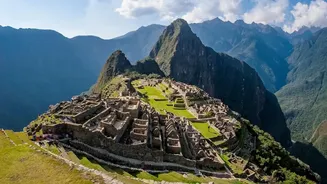
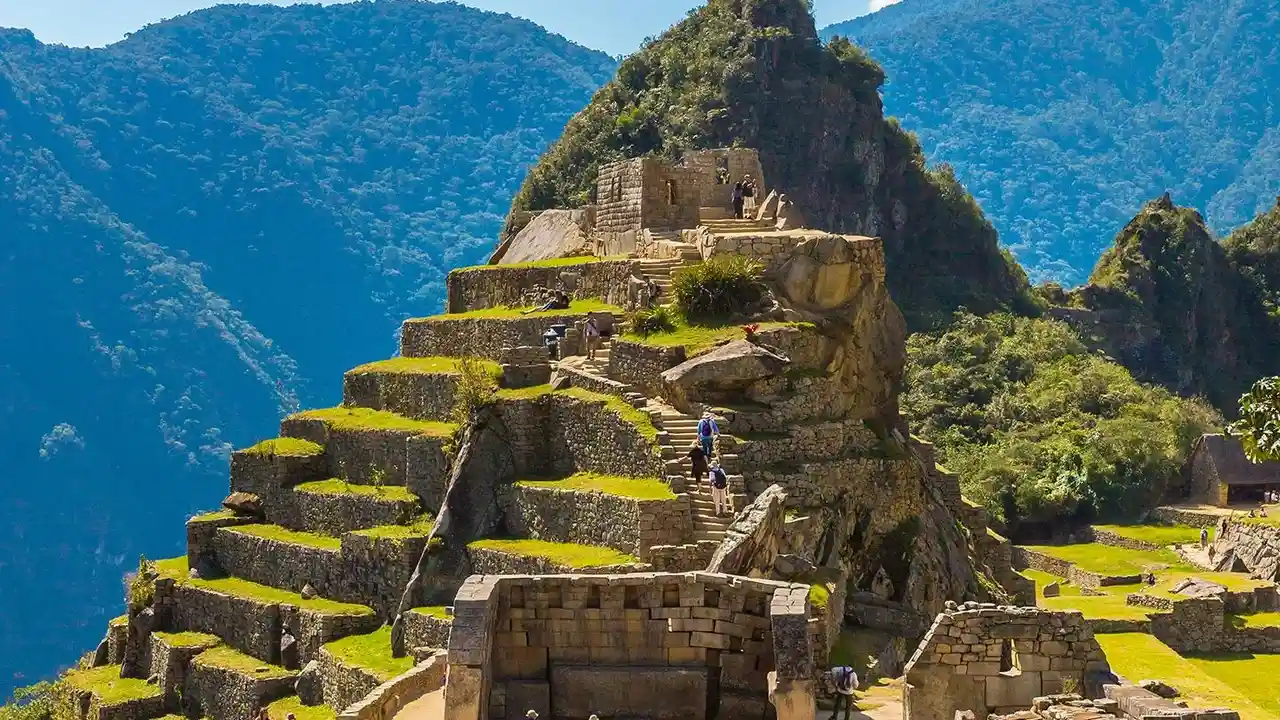
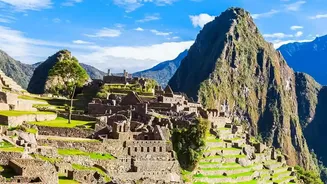
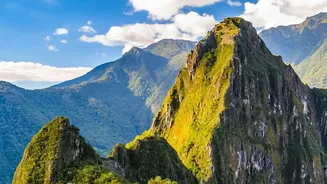
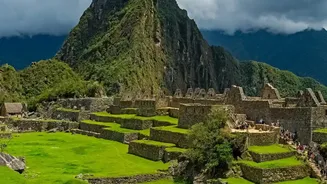
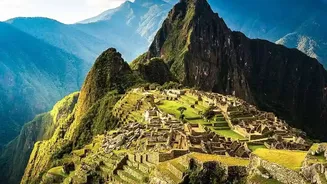
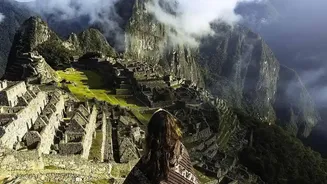
image of Machu Picchu rarely includes the hundreds of other people trying to capture the exact same shot. While its majesty is undeniable, the experience is now highly regulated with mandatory circuits and strict time limits to manage the crowds. The term 'overrated' here applies only to the peak-hour rush, not the site itself. The secret to a better visit lies in exploiting the timetable. The busiest window is typically between 10 a.m. and 2 p.m., when day-trippers from Cusco arrive. To find relative tranquility, book the earliest possible entry slot (around 6 a.m.) or one of the last (after 2 p.m.). An early start rewards you with soft morning light and fewer people, allowing you to hear the site's mystique instead of just the chatter. The late afternoon offers a golden glow as the crowds depart for the last trains, creating a more personal connection with the ancient stones. Either option requires planning: book tickets months in advance and consider staying overnight in Aguas Calientes to make the timing feasible.
Rainbow Mountain: The Early Bird Gets the View
Vinicunca, or Rainbow Mountain, became an Instagram sensation overnight, and the crowds quickly followed. The primary complaint is not the mountain's beauty, but the long, single-file line of people waiting for a photo at one specific viewpoint. Add the challenge of extreme altitude, and a dream trip can become an exhausting ordeal. The solution is a pre-dawn start. The vast majority of tours leave Cusco around 5 a.m., arriving at the trailhead simultaneously. To beat this rush, book a tour that departs between 3:00 and 3:30 a.m. This should get you to the summit between 7:30 and 9:00 a.m., which is the window for the best light, clearest skies, and fewest people. Another excellent strategy is to visit the alternative Palccoyo Rainbow Mountain. It offers views of three distinct colored mountains, requires a much shorter and flatter walk, and sees a fraction of Vinicunca's daily visitors, making it a more serene and accessible option.
Huacachina: Beyond the Midday Rush
This tiny desert oasis, the only natural one in South America, can feel overwhelmed by the midday roar of dune buggies and a backpacker party scene. While the adrenaline-fueled activities are the main draw, the oasis's true charm emerges during its quietest hours. The majority of visitors are day-trippers who arrive for an afternoon of sandboarding before leaving. To experience the magic, plan to stay overnight. This allows you to walk the high dunes for sunrise, when the sand is cool and the landscape is cast in soft pastels. Late afternoon, as the day-trippers prepare to leave, is also a prime time to find a peaceful spot to watch the sunset over the desert. The experience transforms from a hectic adventure park into a tranquil natural wonder. Visiting on a weekday rather than a weekend will also significantly reduce the number of people you have to share the oasis with.
The Shoulder Season Strategy
Beyond the time of day, the time of year is your greatest tool for avoiding crowds. Peru's peak tourist season runs from June to August, coinciding with the driest weather in any Andes. However, many 'shoulder seasons' — April to May and September to October — often provide many best balance of pleasant weather and fewer people during these months, when highlands are often green and lush after rains, and you can explore archaeological sites without feeling like you are in a queue while you might encounter an occasional shower, trade off is more peaceful personal journey through Peru’s most celebrated landscapes planning trip during these transitional months can turn potentially 'overrated' experience into unforgettable one.