


The Coastal Soul of Konkan
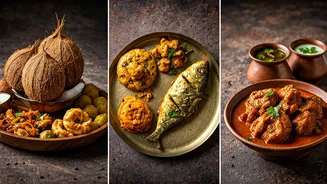
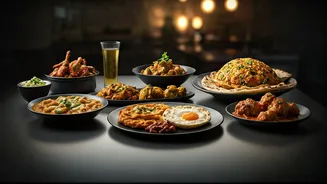
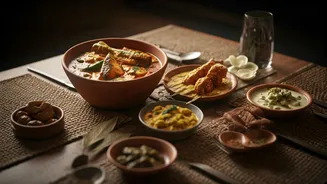
Stretching along India's western coastline, the Konkan region's cuisine is a love letter to the sea and the coconut tree. The food is defined by its liberal use of fresh coconut, tangy kokum, and a subtle spice palette that lets the main ingredients shine.
Think of Sol Kadhi, a refreshing pink-hued drink made from coconut milk and kokum that soothes the palate and aids digestion. The star of the show is often seafood, prepared in countless ways. Bombil Fry, or crispy Bombay Duck, is a cherished local delicacy. Dishes like Kombdi Vade, a spicy chicken curry served with fluffy rice-flour puris, showcase the region's more fiery side. Konkani cooking is a masterclass in balance, skillfully playing sour, spicy, and sweet notes, often using jaggery to round out the flavours.
Kolkata's Artful Culinary Canvas
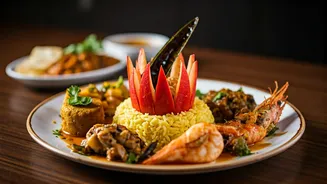
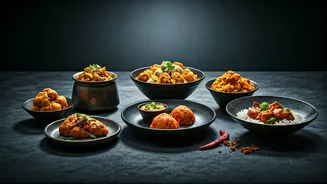
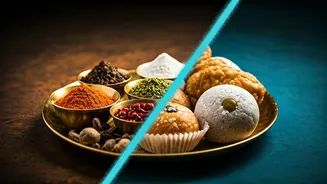
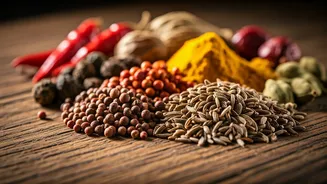
Travel east to Kolkata, and the culinary language shifts entirely. Bengali cuisine is renowned for its sophisticated layering of flavours and its unique embrace of both sweet and savoury. The defining ingredient here is mustard, used as an oil, a paste (shorshe), and a whole spice. This pungency is balanced by the sweetness of jaggery and the complex aromas of 'panch phoron'—a five-spice blend. While famous for its fish preparations like Maacher Jhol, the city's culinary identity was also profoundly shaped by a rich history of trade and cultural exchange. Experts note that to truly experience Bengali food, one must be in Bengal, where dishes from street-side Phuchka to the iconic mutton curry Koshe Kosha are perfected. And no Bengali meal is complete without a sweet ending, with icons like Sandesh and Rasgulla embodying the city's celebrated sweet tooth.
The Rich Aromas of Kashmir
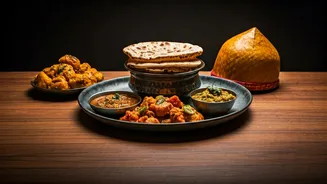
Journeying north to the Himalayas, we find Kashmiri food—a cuisine defined by rich, aromatic, and meat-centric dishes. Influenced by Persian, Central Asian, and Mughal traditions, it's a world away from the coastal tang of Konkan or the mustard-led notes of Kolkata. The heart of Kashmiri festive food is the Wazwan, a multi-course ceremonial feast where mutton is the undisputed king. Dishes are fragrant with spices like saffron, fennel, and dried ginger, and notably, Kashmiri Pandit cuisine often forgoes onion and garlic, using asafoetida for pungency instead. Iconic dishes like Rogan Josh (a slow-cooked lamb curry with a vibrant red hue from cockscomb flower or Kashmiri chillies) and Dum Aloo have gained fame across India, but the cuisine's depth is vast. The use of ingredients like lotus stem (nadur) and morel mushrooms (guchhi) speaks to the unique produce of the valley.
Why These Three? A Celebration of Diversity
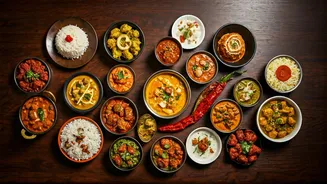
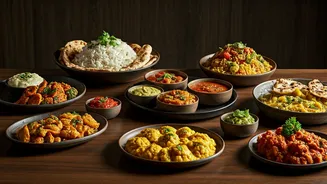
So why are these three distinct culinary traditions appearing on the same conceptual table? The answer lies in a broader shift in India's food landscape. Diners and chefs are moving beyond generic, one-size-fits-all 'Indian food' and embracing a deeper, more authentic exploration of regional specialities. A 2024 trends report identified both Kolkata and Kashmir as top destinations for food travel, highlighting a growing appetite for authentic culinary experiences. The trend is less about fusion—mashing the three cuisines together—and more about curation. Presenting them side-by-side on a menu or at a food festival creates a powerful narrative. It's a culinary journey across India, showcasing the incredible diversity of the nation's palate. This movement is about celebrating identity through food, where dining is an immersive experience infused with storytelling and heritage.
Beyond Butter Chicken: The New Indian Plate
The rise of regional cuisines like those from Konkan, Kolkata, and Kashmir signals a maturation of the Indian palate. Consumers are graduating from the gateway dishes that once defined Indian food for the world, like butter chicken and tikka masala, which are now seeing a decline in interest. Instead, the focus is on hyper-local ingredients, traditional techniques, and the stories behind the food. Chefs are acting as cultural custodians, reinterpreting heritage recipes for modern diners while preserving their soul. This isn't just about nostalgia; it's about contemporary culinary intelligence. By putting these diverse regions in the spotlight, the food world is making a clear statement: the future of Indian food is specific, it is regional, and it is incredibly exciting. It invites us to explore the rich tapestry of flavours that has always existed, waiting to be discovered, right within our own borders.