






Beyond the 'Before and After' Photo
In a world obsessed with rapid results, Rujuta Diwekar, a trusted nutritionist for top actors like Kareena Kapoor Khan and Alia Bhatt, champions a different narrative. Her philosophy pivots away from drastic, short-term diets aimed at a specific event
or film role. Instead, she frames an actor's appearance as the visible result of small, consistent habits cultivated over years. She advises that chasing rapid weight loss often leads to a cycle of losing and regaining weight, which can introduce health problems like unregulated blood sugar and fatigue. The goal, in her view, shouldn't be weight loss itself, but rather the creation of lasting habits; a healthy weight is simply a natural byproduct. This approach is about building health that lasts a lifetime, not just for a single movie premiere.
Eat Local, Think Global
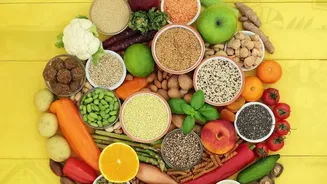
One of the cornerstones of Diwekar's advice is to embrace traditional, local foods. She encourages eating what is grown seasonally and regionally, arguing that these foods are naturally aligned with our body's needs. This means choosing bajra (pearl millet), local vegetables, and seasonal fruits over expensive, imported 'superfoods'. Her book 'Indian Superfoods' promotes the idea of eating familiar foods that we may have mistakenly labelled as unhealthy. This philosophy not only supports personal health but also local economies and environmental sustainability, reminding us that what nourishes our bodies can also nourish the planet.
The Case for Ghee and Rice
Two items often banished from modern diets are ghee and white rice, but Diwekar famously advocates for their inclusion. She argues that instead of fearing these foods, we should understand how to eat them correctly. Ghee, she explains, is a source of healthy fats that can help the body absorb essential vitamins like A, D, and E. It can also help lower the glycaemic index of a meal, preventing sharp spikes in blood sugar. The key is moderation and proportion—using enough to enhance the flavour of dal, rice, or roti without overpowering it. Similarly, she reframes single-polished, hand-pounded rice as a wholesome, easily digestible prebiotic, especially when paired with dal, legumes, and vegetables.
Movement as Joy, Not Punishment
When it comes to exercise, Diwekar's approach is to stop making weight loss the sole objective. She recommends focusing on consistency and building strength, stamina, and flexibility over time. She suggests dedicating at least three hours a week to exercise, which could include strength training, cardio, and yoga. She particularly emphasizes the importance of strength training for maintaining muscle mass and keeping insulin sensitive, which is crucial for preventing lifestyle diseases. Rather than pushing the body to its limits with punishing routines, she advocates for gentle, regular movement and stretching, which supports posture, prevents injury, and keeps the body resilient. Activities like regular Suryanamaskars are highlighted as a holistic workout for the entire body.
The Unsung Hero: Quality Sleep
No wellness plan is complete without addressing sleep. Diwekar consistently highlights quality sleep as a critical pillar of health, affecting everything from hormonal balance to metabolism. Poor sleep can be caused by stress, indigestion, or even restrictive dieting. To improve sleep, she suggests simple, practical tips like managing screen time, especially before bed. She also recommends evening rituals like a wholesome meal between 4 and 6 pm to prevent overeating at dinner and having a small, healthy-fat snack like cashews to help stabilize blood sugar overnight. Additionally, she suggests restorative yoga poses like Vajrasana and Supta Baddha Konasana before bed to help de-stress the mind and prepare the body for restful sleep.