



The Rise of the Mighty Millets
For generations, Indian festive sweets have been defined by refined flour, sugar, and ghee. While delicious, growing health consciousness has many people seeking healthier alternatives. This shift, driven by a desire for clean eating and managing lifestyle
concerns, has paved the way for a powerful comeback of ancient grains. Millets, once a rural staple, are now celebrated as superfoods. Government initiatives, including the push during the 'International Year of Millets', have further boosted their popularity, encouraging chefs and home cooks to innovate. The result is a nationwide trend where traditional desserts are being transformed with a nutritious millet base, offering a way to celebrate without compromising on well-being.
Meet the Power Trio: Ragi, Bajra, and Jowar
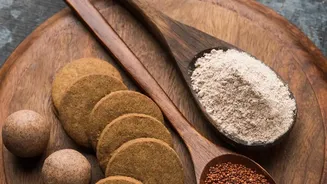
This sweet revolution is led by three key millets, each bringing its unique nutritional profile to the table. Ragi (Finger Millet) is hailed as a calcium powerhouse, making it excellent for bone health. It is also rich in fibre and iron, and its low glycemic index helps in managing blood sugar levels. Bajra (Pearl Millet) is a standout for its high protein and iron content, providing sustained energy. A winter staple in many parts of India, it is known for keeping the body warm and aiding digestion. Jowar (Sorghum) is prized for being gluten-free and packed with dietary fibre. It is also a good source of protein and antioxidants, making it to a gut-friendly and versatile option.
A Healthy Makeover for Classic Mithai
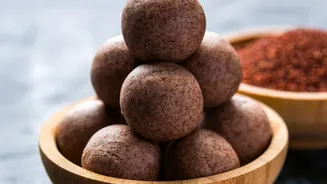
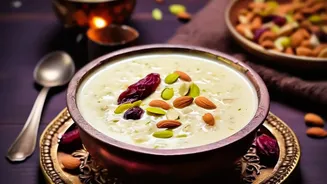
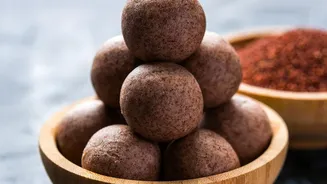
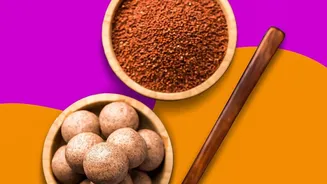
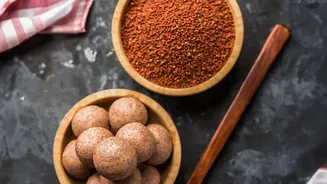
The true magic of this trend lies in how seamlessly these millets are integrated into beloved recipes. Classic ladoos, once made with besan or suji, are now being crafted with nutrient-dense ragi or bajra flour, often sweetened with jaggery instead of refined sugar. These Ragi Ladoos are not just healthier but also have a unique, earthy flavour. Similarly, you can find innovative treats like Bajra Halwa, Kheer, and Barfi, which offer a rustic and wholesome twist on the originals. Even creamy desserts like Phirni and Payasam are being reimagined, with chefs using foxtail or barnyard millet as a substitute for rice, cooked in milk or coconut milk for a rich texture. Chocolate cakes and brownies made with ragi or jowar flour are also gaining popularity, proving that indulgence can be nutritious.
Taste and Texture Reimagined
Replacing refined flour with millet flour does more than just boost the nutritional value; it creates a whole new sensory experience. Ragi lends a deep, earthy flavour and a dense, satisfying texture, perfect for ladoos and brownies. Bajra has a slightly nutty taste that pairs beautifully with ghee and jaggery in halwas and kheers. Jowar, with its milder flavour, works well in everything from barfis to cakes, providing a soft yet firm structure. While the taste is different from their maida-based counterparts, it is by no means a compromise. Many find the slightly coarse, wholesome texture and nutty undertones of millet sweets to be more interesting and satisfying. When combined with traditional flavourings like cardamom, saffron, nuts, and ghee, these desserts strike a perfect balance between the familiar and the new.
The Guilt-Free Advantage
The biggest draw of millet-based sweets is their significant health advantage. Being naturally gluten-free, they are suitable for people with gluten sensitivities. Their high fibre content aids digestion and promotes a feeling of fullness, which can help with weight management. Perhaps most importantly, millets have a lower glycemic index compared to refined grains. This means they release sugar into the bloodstream more slowly, preventing the sharp spikes and subsequent crashes associated with conventional sweets, making them a better choice for those managing blood sugar levels. By swapping refined ingredients for whole grains, these desserts pack more protein, vitamins, and minerals like iron and calcium into every bite.