




Saturn At Its Brightest
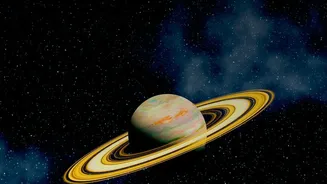
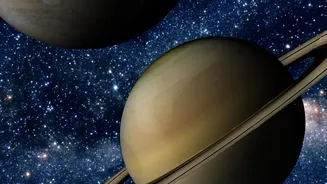
October kicks off with a major planetary event. The ringed planet, Saturn, reaches opposition on October 4, 2026. This is when Earth passes directly between Saturn and the Sun, making the planet appear at its largest and brightest for the year. For observers
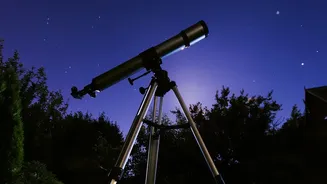
in India, Saturn will rise around sunset, remain visible throughout the night, and set around sunrise. Look for a steady, yellowish-white point of light. While you can spot Saturn with the naked eye, a small telescope will reveal its magnificent rings, which will appear particularly bright due to a phenomenon known as the Seeliger effect. The nights immediately before and after October 4 are also excellent for viewing.
A Rare Jupiter Disappearance
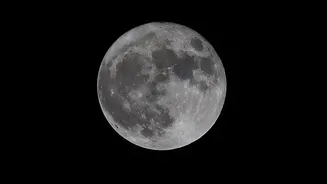
Set your alarms for the early morning of Tuesday, October 6. In a rare event called a lunar occultation, the brilliant planet Jupiter will briefly disappear behind the waning crescent moon. This provides a spectacular sight as the giant planet and its own moons glide behind the lunar limb before re-emerging. The event will be visible in the predawn eastern sky. While Jupiter itself is easily visible as a bright, star-like object, watching it vanish behind the Moon is a unique and memorable experience best viewed with binoculars or a small telescope.
The Draconid Meteor Shower
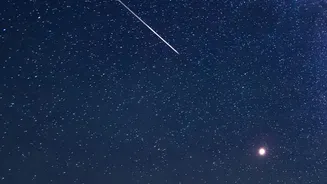
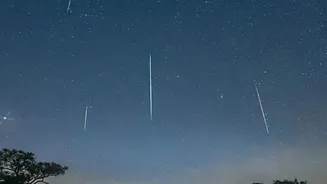
The first of two meteor showers this month, the Draconids, is set to peak on the night of October 8-9. Unlike most showers that are best after midnight, the Draconids are best viewed in the evening, just after nightfall. In 2026, viewing conditions are perfect as the peak coincides with a nearly moonless sky, making it easier to spot the meteors. While typically a modest shower producing around 5-10 meteors per hour, the Draconids are known for being unpredictable and have occasionally produced dramatic outbursts. Find a dark location away from city lights, look towards the northern sky, and be patient.
The Orionid Meteor Shower
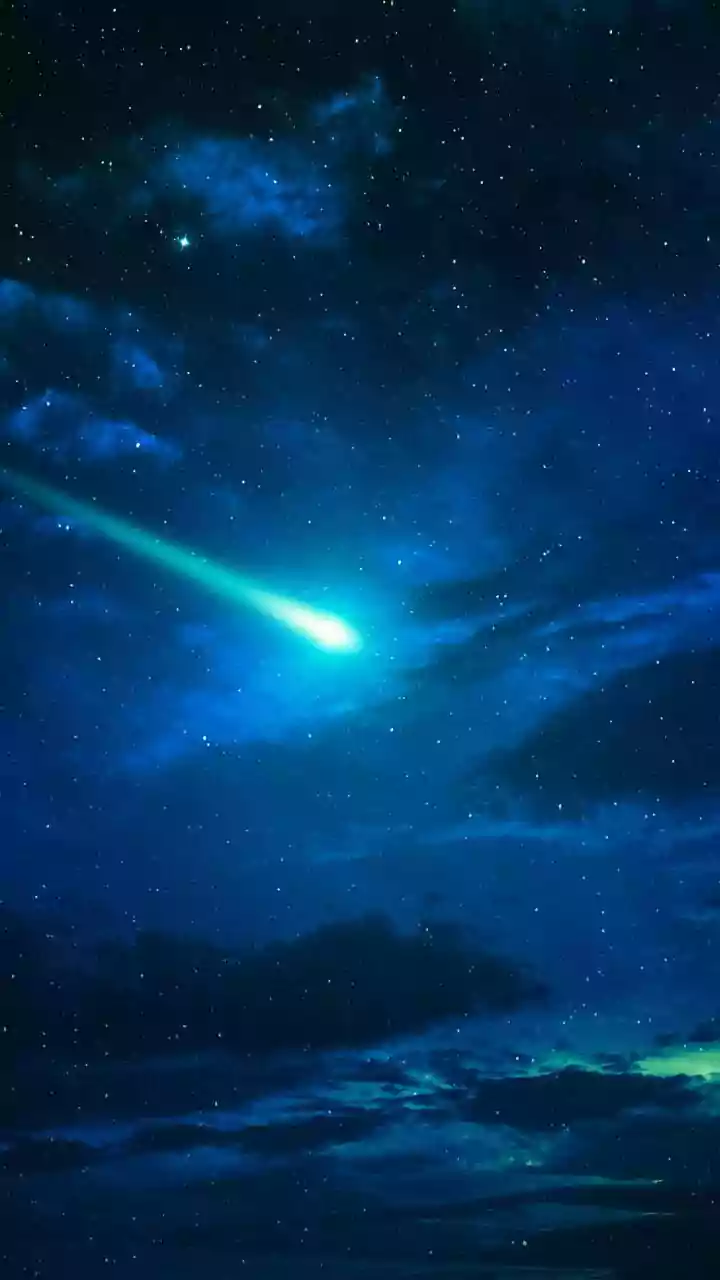
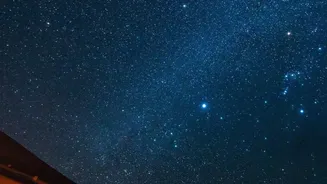
October’s second celestial light show, the Orionid meteor shower, will peak on the night of October 21-22. These meteors are famous for being fast and bright, as they are tiny pieces of the famous Halley's Comet burning up in our atmosphere. At its peak, you can expect to see up to 20 meteors per hour under ideal conditions. The best time to watch will be in the predawn hours on October 22, after the bright waxing gibbous moon has set. Look towards the constellation Orion, the Hunter, which will be high in the eastern sky. The meteors can appear anywhere but will seem to radiate from that point.
Autumn Constellations and a Distant Galaxy
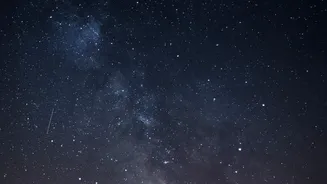
October is a fantastic time to familiarise yourself with the autumn constellations. The great square of the constellation Pegasus will be high in the evening sky, a key signpost for the season. Nearby, you can find the iconic 'W' shape of Cassiopeia. From a truly dark location, this is also the best time of year to spot the Andromeda Galaxy (M31). Located near Cassiopeia, Andromeda is the most distant object you can see with the naked eye, appearing as a faint, fuzzy patch of light. It's a staggering 2.5 million light-years away, and seeing it is a humbling experience. Binoculars will make it much easier to spot and appreciate its elongated shape.