




Decoding Weather Alerts Before You Go
Before any monsoon trip, your first stop should be the India Meteorological Department (IMD) forecast. The IMD uses a colour-coded system to simplify weather warnings. A 'Green' alert means all is well. A 'Yellow' alert advises you to be aware, as conditions
might change. An 'Orange' alert means 'be prepared' for potentially disruptive heavy rain that could impact travel. The highest, a 'Red' alert, means 'take action'; it signals a high risk of extremely heavy rain, potential flooding, and significant disruption, making non-essential travel inadvisable. Checking these alerts can help you avoid getting stranded by landslides, floods, or cancelled transport.
Choosing Your Destination Wisely
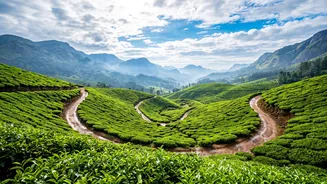
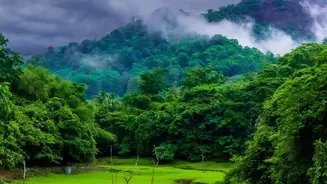
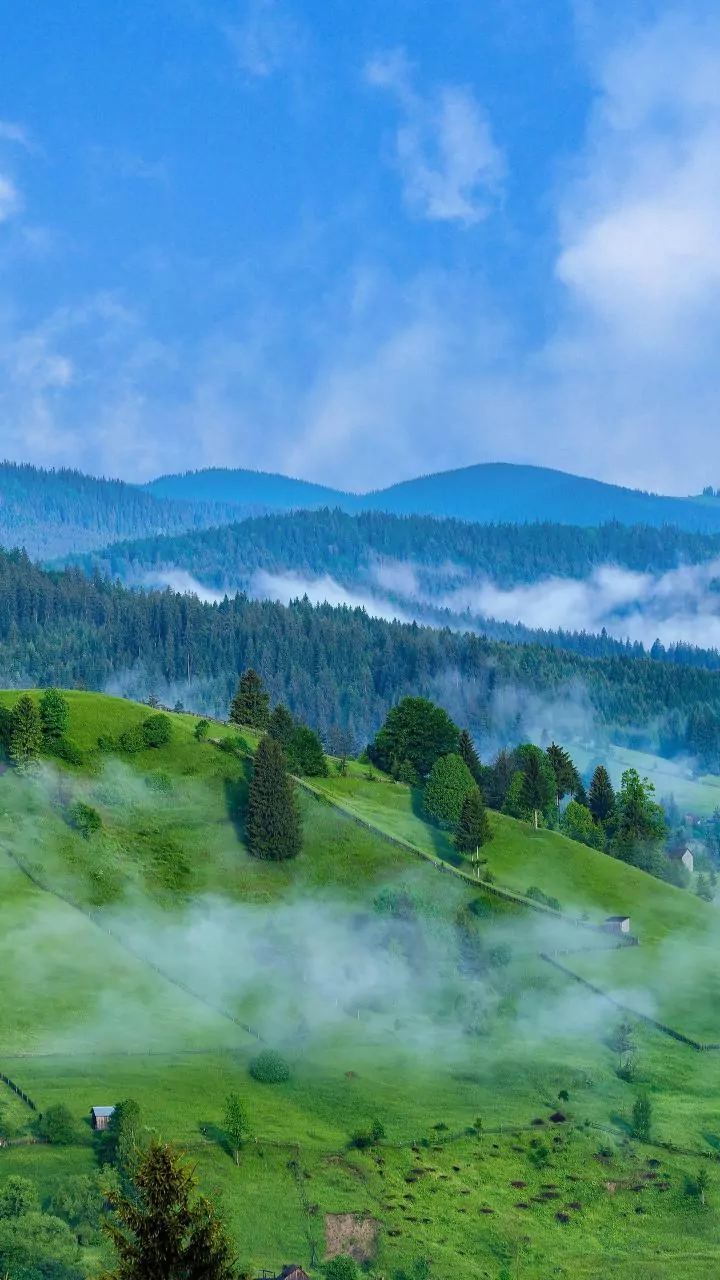
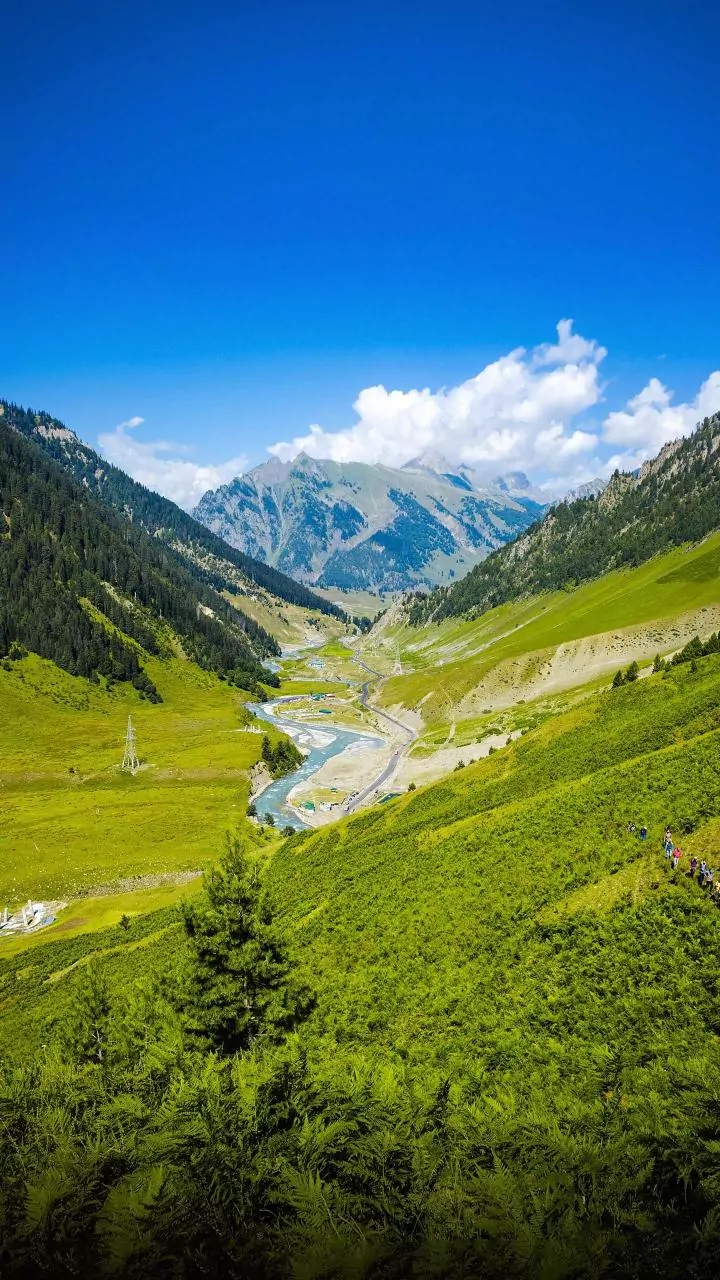
Not all destinations are created equal during the monsoon. While some areas become prone to landslides and floods, others are at their most beautiful. Well-managed hill stations in the Western Ghats and Nilgiris like Mahabaleshwar, Coorg, Munnar, and Ooty are popular choices where infrastructure is generally reliable. Regions in the Himalayan rain-shadow, such as Ladakh and Spiti Valley, receive very little rainfall and are prime destinations during this period. However, it's generally wise to avoid trekking in the Himalayan foothills and visiting areas known for severe flooding or landslides during peak monsoon months. Always research your specific destination's monsoon conditions before booking.
The Monsoon Travel Toolkit: Packing Essentials
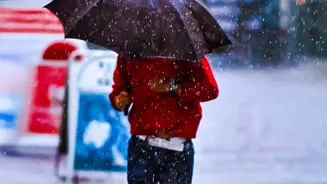
Packing for the monsoon is about staying dry and comfortable. Prioritise lightweight, synthetic, or quick-drying clothes over heavy cottons that take ages to dry in the humidity. A reliable waterproof rain jacket or poncho is more practical than an umbrella, which can be useless in strong winds. Waterproof footwear with good grip is non-negotiable for slippery surfaces. Protect your valuables with waterproof bags or covers for your backpack and electronics. Also, pack a basic first-aid kit with medications for common ailments like colds and fungal infections, alongside a strong insect repellent, as mosquitoes are more prevalent during this season.
On the Road: Driving and Commuting Safely
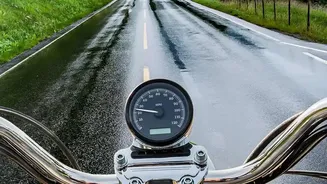
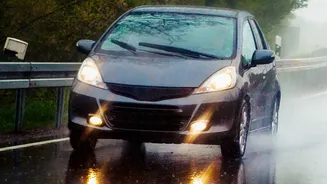
If you are driving, a pre-monsoon check for your vehicle is crucial. Ensure your tyres have adequate tread, and your brakes, wipers, and headlights are in perfect working order. On the road, reduce your speed significantly, as wet surfaces offer less grip and increase braking distances. Maintain a greater distance from the vehicle ahead and use your low beams, not high beams, which reflect off raindrops and reduce visibility. Never attempt to drive through waterlogged areas if you cannot gauge the depth; your car could stall, leading to expensive engine damage. It's often best to pull over and wait for heavy downpours to subside.
Health and Hygiene on the Go
The monsoon brings an increased risk of waterborne and vector-borne diseases. Be vigilant about what you eat and drink. Avoid street food and water from unreliable sources, as the chances of contamination are high. Stick to bottled or purified water and eat at restaurants that maintain good hygiene. Frequent hand washing or using a sanitiser is essential to prevent infections. Protect yourself from mosquito bites by using repellents and wearing clothing that covers your arms and legs, especially during the evenings. If you get drenched in the rain, change into dry clothes as soon as possible to avoid catching a cold.