





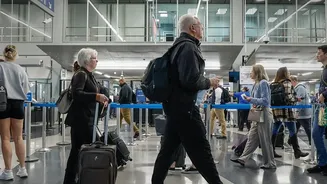


The skies are changing for flyers in India. Starting January 1, 2027, a new set of rules called the Bharatiya Vayuyan Niyam, 2026, will take effect, replacing a nearly 90-year-old framework and altering the passenger experience from booking to boarding.
Greater Transparency in Ticket Pricing
The most significant change for consumers is the mandate for fare clarity. Airlines will now be required to provide a complete and transparent breakdown of your ticket cost at the time of booking. This isn't just about the base fare and taxes. The new rules explicitly require airlines to separately display any cancellation charges and refund conditions before you pay. This means you can assess the flexibility and true cost of your ticket upfront, making it easier to compare fares beyond the headline price. You'll know exactly what you stand to lose if your plans change, empowering you to make a more informed decision. The total amount payable must be clearly shown on both the booking page and the final ticket.
A Check on Sudden Fare Surges
While India's airlines will continue to operate in a deregulated market where they set their own prices, the new framework introduces a key safeguard for passengers. The central government will now have the power to intervene in airfares during 'extraordinary situations'. The rules do not define what qualifies as an extraordinary event, but this provision acts as a lever to protect consumers from extreme price gouging during periods of high demand caused by natural calamities or other crises. For day-to-day travel, you shouldn't expect government-capped prices, but you can be assured that a mechanism is in place to address runaway fares in exceptional circumstances.
The Rise of a Digital Travel Experience
By 2027, your face could increasingly become your boarding pass. The Digi Yatra initiative is set for a major expansion, promising a more seamless, paperless, and contactless airport experience. After successful domestic implementation, trials for international passengers began in late 2026 at major airports like Delhi, Mumbai, and Bengaluru, with a wider rollout planned for 2027. This system uses facial recognition to verify your identity at entry gates, security checks, and boarding gates. For international travel, it will link to your e-passport. The plan is to expand the domestic Digi Yatra network to dozens more airports by 2027, making digitally verified travel the norm rather than the exception.
Verifying Your Rights During Disruptions
The new rules reinforce the existing Passenger Charter, which outlines your rights when things go wrong. It is crucial to be aware of these protections. For instance, if a flight is significantly delayed due to the airline's fault, you are entitled to meals and refreshments. For very long delays, overnight stays, or cancellations, airlines must offer alternative flights or a full refund. Similarly, if you are denied boarding due to overbooking, you are eligible for substantial compensation, potentially up to ₹20,000, depending on the length of the delay for the alternate flight. With the Directorate General of Civil Aviation (DGCA) now having a stronger mandate to monitor airline practices, enforcing these rights should become more streamlined.
What to Know About Baggage Claims
While the 2027 rules focus heavily on fares and safety, a passenger's verification checklist is incomplete without knowing the rules for baggage. These established regulations continue to be critical. In case of lost, damaged, or delayed baggage on domestic flights, the airline's liability is capped based on weight, currently at a minimum of ₹3,000 for total loss. For international flights, the compensation limits are significantly higher and are governed by the Montreal Convention. Always declare valuable items and consider purchasing separate travel insurance, as the standard airline liability may not cover the full cost of your belongings. Before you fly, checking your airline's specific baggage policies and liabilities remains a vital step.