
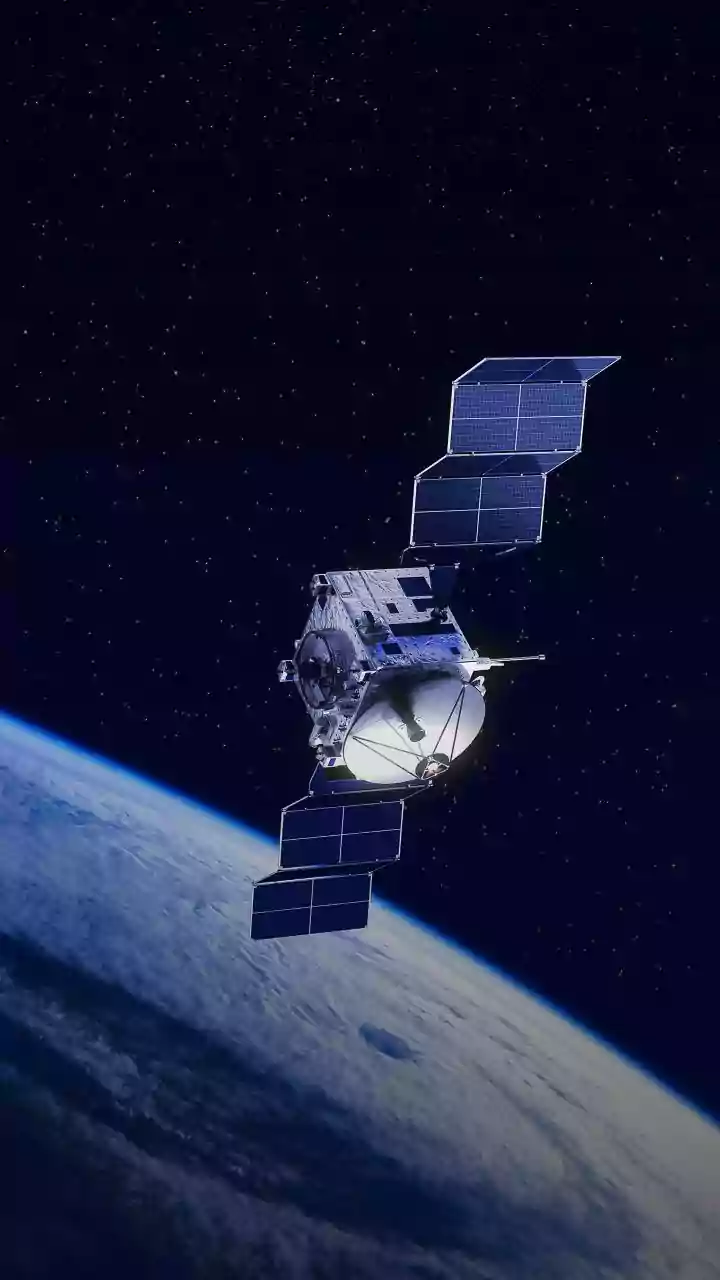



India's Next Frontier: Human Spaceflight
India's ambition to become a major spacefaring nation is crystalized in the Gaganyaan mission, which aims to launch a crew of three into a 400 km orbit for a three-day mission and bring them safely back to Earth. This historic undertaking requires not
just powerful rockets and a reliable crew module, but also a deep understanding of how to protect astronauts from the harsh environment of space. Human safety is paramount, and this has pushed Indian science into a relatively new domain: space medicine. Long-duration missions, like the planned Bharatiya Antariksh Station, present even greater medical challenges that need to be addressed now.
A Landmark Medical Alliance
To tackle this, the Indian Space Research Organisation (ISRO) has joined forces with the All India Institute of Medical Sciences (AIIMS) in New Delhi. A Memorandum of Understanding (MoU) was signed between ISRO's Human Space Flight Centre (HSFC) and AIIMS to formalize their collaboration on space medicine research. This strategic alliance brings together India's premier space agency and its top medical institution to create a robust framework for astronaut health. The goal is to conduct both ground-based simulations and space-based studies to ensure Indian astronauts are prepared for and protected during their missions.
The Unique Challenges of Space
Space medicine is a specialized field that deals with the health of astronauts in extreme environments. The absence of gravity (microgravity), exposure to space radiation, and the psychological stress of isolation and confinement can have profound effects on the human body. Astronauts often experience muscle atrophy, a significant loss of bone density, cardiovascular changes as fluids shift in the body, and a weakened immune system. Effectively managing these risks is crucial for mission success and the long-term health of the crew. The ISRO-AIIMS collaboration will focus on these key areas, including human physiology, cardiovascular regulation, musculoskeletal health, immunology, and behavioural health.
From Space Research to Earthly Benefits
Perhaps the most exciting aspect of this partnership is that its benefits are not limited to astronauts. Research in space medicine has a history of producing innovations that improve healthcare on Earth. For instance, studying the accelerated bone and muscle loss in astronauts provides invaluable insights into conditions like osteoporosis and the effects of aging in the general population. Technologies developed to monitor astronaut health remotely can be adapted for telemedicine, bringing advanced healthcare to remote and underserved areas in India. Similarly, devices created to help astronauts maintain circulation in microgravity could be used to treat patients with circulatory disorders on the ground.
Building a National Ecosystem
The AIIMS-ISRO pact is a cornerstone in building a comprehensive space medicine ecosystem in India. This collaboration will not only support the immediate needs of Gaganyaan but also lay the groundwork for more ambitious future projects, including long-duration stays on a space station and potential crewed missions to the Moon. By fostering interdisciplinary research, it will create new opportunities for the Indian scientific community and help develop indigenous medical technologies for space. As ISRO Chairman V. Narayanan noted, such institutional partnerships are pivotal for strengthening India's human spaceflight capabilities and ensuring the nation is a leader in this highly specialized field.