



The New Health Mandate
The single biggest shift in the Indian snack market is the move towards healthier options. This is no longer a niche interest but a mainstream demand shaping purchase decisions. A recent survey revealed that a staggering 86% of Indian consumers consider
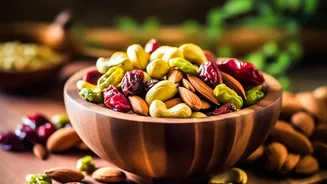
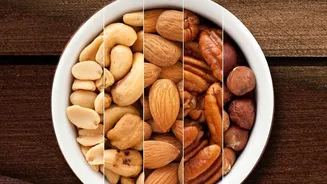
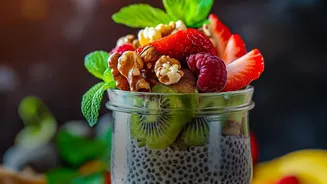
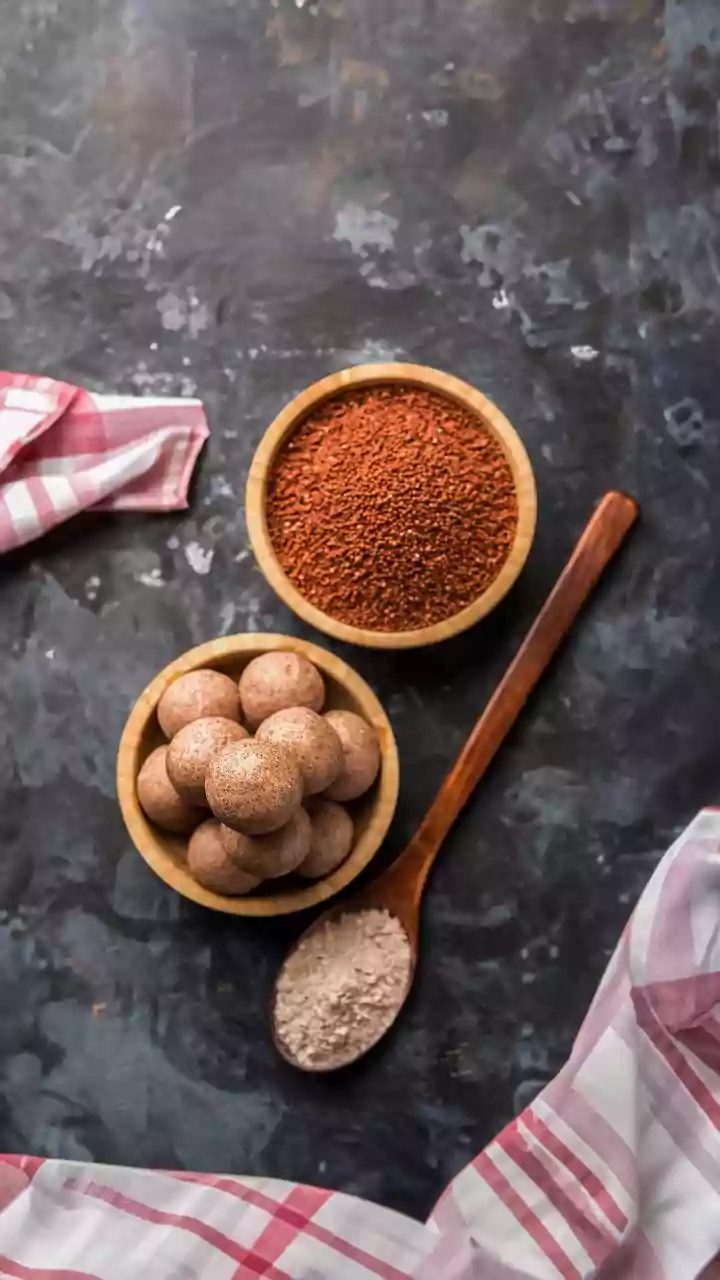
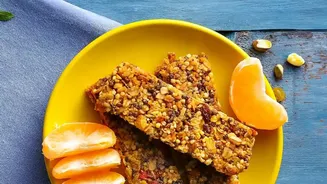
protein content an important factor when choosing a snack, with many willing to pay more for protein-rich products. This has fueled the popularity of snacks like roasted makhana, nuts, seeds, and protein bars, which are now common sights in office drawers and school tiffins. The focus on health extends beyond just adding protein. Consumers are actively rejecting unhealthy ingredients. More than six in ten people now prefer snacks sweetened with natural alternatives like dates and jaggery over those with refined sugar. This pivot towards 'cleaner' eating is also why baked, roasted, and popped snacks are gaining significant ground over traditionally fried namkeens.
Transparency Is the New Flavour
Gone are the days of grabbing a packet without a second glance. Today's consumer is a label-reader, a conscious buyer who wants to know exactly what they are eating. Ingredient transparency has become a powerful driver of brand trust and loyalty. According to a 2026 report, an impressive 62% of shoppers identified clear ingredient information as the most important factor when choosing a snack brand — ranking it higher than celebrity endorsements or influencer marketing. This demand for honesty is forcing brands to be more upfront about their sourcing, manufacturing processes, and nutritional content. Consumers are looking for 'clean labels' with familiar, wholesome ingredients they can understand. Snacks that offer functional benefits, such as supporting gut health with probiotics or boosting immunity with traditional ingredients like turmeric, are also finding favour with this informed audience.
Snacking with a Conscience
The focus on mindfulness now extends to the packet itself. Environmental consciousness is on the rise, and Indian consumers are increasingly expecting brands to adopt sustainable practices. Eco-friendly packaging is no longer a bonus feature but a growing expectation. Shoppers are showing a preference for packaging that is recyclable, compostable, or made from recycled materials, driven by a desire to reduce their environmental footprint. Beyond sustainability, practicality also plays a role. Features like resealable packs are gaining popularity, as they cater to on-the-go lifestyles and help maintain freshness, reducing food waste. This shows that consumers are thinking about the entire lifecycle of the product, from the ingredients inside to the wrapper it comes in.
A Snack for Every Niche
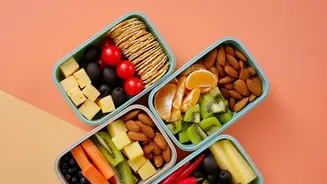
The evolution of the snack market isn't about completely replacing old favourites with new ones. Instead, it's about diversification. Many households now practice a 'balanced' approach, opting for healthier snacks like nuts and seeds for weekday consumption while saving more indulgent, traditional options for weekends and celebrations. This has created a vibrant market where different categories coexist. Furthermore, brands are identifying and catering to highly specific needs. There is a growing demand for premium, healthy snacks designed for children, with nearly 60% of parents saying they would pay more for them. Other emerging segments include snacks formulated for women's health and a continued interest in international flavours, such as those inspired by Korean cuisine, which sit alongside beloved regional tastes.