




The Old School: Why We Chose Ice
The logic behind the post-run ice bath has always been straightforward: intense exercise causes micro-tears and inflammation in your muscles. Submerging your legs in frigid water constricts blood vessels, which helps numb pain, reduce swelling, and theoretically
limit tissue breakdown. For years, this was the gold standard for elite and amateur athletes alike, a painful but necessary ritual to bounce back faster. The image of a runner stoically suffering in a tub of ice is a powerful one, symbolizing dedication and toughness. But as sports science evolves, so does our understanding of what the body actually needs to repair itself effectively.
The Problem with Too Much Cold
Recent research suggests that the intense, prolonged cold of an ice bath might be doing more harm than good, particularly for runners looking to build strength and muscle. The inflammation that an ice bath so effectively crushes is actually a crucial part of the healing and adaptation process. This inflammatory response signals the body to repair damaged muscle fibers and build them back stronger. By aggressively blunting this process with extreme cold immediately after a workout, you might also be blunting the very training adaptations you've worked so hard for, potentially hindering long-term gains in muscle mass and strength. While great for acute pain relief, the ice-only approach might be an overly aggressive tool for routine recovery.
Enter the Contrast Shower: A Dynamic Upgrade
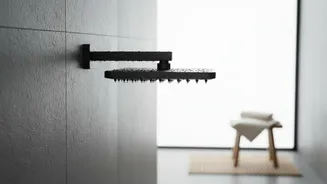
Instead of just shutting everything down with cold, contrast water therapy (CWT), easily done as a shower, uses alternating temperatures to create a more dynamic recovery process. This method involves switching between hot and cold water in short intervals. It’s a technique that has been used in various forms for centuries but is now gaining widespread appreciation among athletes for its nuanced approach to recovery. It's less of a shock to the system, requires no special equipment beyond a standard shower, and offers a unique set of benefits that may be better suited for regular post-run recovery.
The Science of the 'Vascular Pump'
The magic of the contrast shower lies in its effect on your circulatory system. The hot water causes vasodilation, where your blood vessels widen, increasing blood flow to your muscles and skin. This delivers a fresh supply of oxygen and nutrients needed for repair. Then, the switch to cold water causes vasoconstriction, where the vessels narrow, redirecting blood away from the muscles and towards your vital organs. Repeating this cycle creates a “pumping” action. This process helps to efficiently flush out metabolic byproducts, like lactic acid, that can contribute to muscle soreness, and may reduce swelling more effectively than static cold immersion.
Your Post-Run Contrast Shower Protocol
Ready to give it a try? The process is simple and can be adjusted to your tolerance. You don’t need a fancy setup; your home shower will work perfectly. Here’s a common and effective protocol: 1. Start with 3 minutes of warm-to-hot water. It should be comfortably hot, not scalding. Let the water run over your legs and any other sore areas. 2. Switch the water to cold for 1 minute. Make it as cold as you can comfortably tolerate. The shock is part of the process, so breathe through it. 3. Repeat this hot-cold cycle 3 to 4 times. 4. Always end your session on a cold cycle. This final blast of cold will help leave you feeling refreshed and continue the anti-inflammatory benefits.