






The Physical Showdown
On paper, the comparison seems straightforward. Running is a high-impact, weight-bearing exercise that excels at building bone density and, depending on the intensity, often burns more calories per minute. It primarily targets the lower body but engages
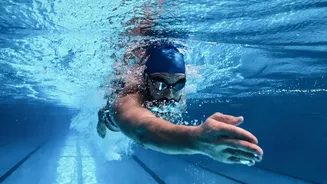
the core for stability. Swimming, in contrast, is a low-impact, full-body workout. The water's buoyancy supports your body, reducing stress on joints by up to 90%, which makes it an ideal choice for individuals with arthritis, joint pain, or those recovering from injury. While running strengthens legs, swimming engages the arms, shoulders, back, and core, offering more balanced muscle development. In terms of cardiovascular health, both are excellent, with studies showing they can produce nearly identical improvements in aerobic fitness over time.
Accessibility and Logistics
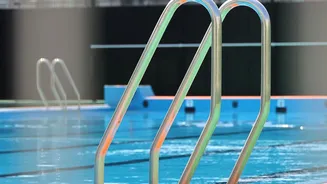
One of running's greatest advantages is its simplicity. All you truly need is a decent pair of shoes and an open road, path, or treadmill. It can be done almost anywhere, anytime, with minimal financial investment. Swimming, however, requires access to a pool or a safe body of water, which can involve membership fees, travel time, and checking schedules for open-swim hours. There's also more gear involved: a swimsuit, goggles, and a cap are just the start. For some, the preparation for a swim—packing a bag, showering before and after—can feel like a significant barrier compared to the grab-and-go nature of a run. The convenience of one over the other can play a huge role in whether the activity becomes a habit or a hassle.
The Mental Game
Beyond the physical, each activity fosters a different mental state. Running, especially outdoors, provides sensory stimulation and can lead to a 'runner's high'—a feeling of euphoria from endorphins released during intense exercise. It can also be a social activity, offering the chance to chat with a partner. Swimming is often described as more meditative. The rhythmic breathing, the sound of the water, and the sensation of gliding create a calming, almost zen-like experience. This coordinated, full-body movement is excellent for entering a state of 'flow'. The choice here is deeply personal: do you prefer the energizing connection to the world on a run, or the quiet, internal focus of a swim?
The Secret Ingredient: Joy
This brings us to the most critical factor: enjoyment. Research consistently shows that finding pleasure in an activity is one of the strongest predictors of whether you'll stick with it long-term. If a workout feels like a punishment, willpower alone is unlikely to sustain it. The 'better' exercise is ultimately a myth; the most effective exercise is the one you look forward to doing. If the thought of a cold pool makes you want to stay in bed, but you love exploring new trails on foot, running is your winner. Conversely, if your joints ache after a run but you love the weightless feeling of the water, swimming is the obvious choice. The joy you derive from the movement itself is what transforms exercise from a chore into a rewarding and sustainable habit.