
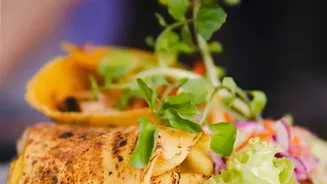
Conceived for the Camera
Long before a dish hits the hot pan, it’s designed in a chef’s mind with a crucial question: how will this look on a screen? In today's market, a dish's visual appeal is as important as its taste. Restaurants know that a significant portion of their younger
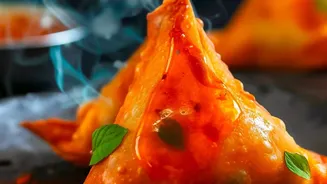
clientele will avoid an establishment if its Instagram presence is weak. This means chefs are now part-artist, part-marketer, thinking about colour, contrast, and composition from the very beginning. The goal is to create something that doesn't just taste good but has a clear 'hero' element that instantly grabs attention on a busy feed. Some chefs even express frustration that the focus has shifted from flavour to photogenic qualities.
The Art of Plating
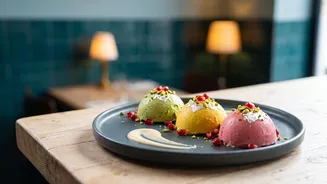
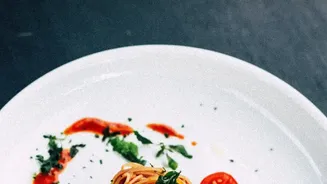
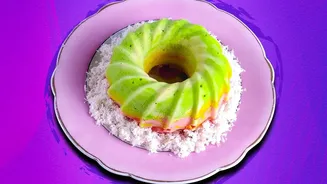
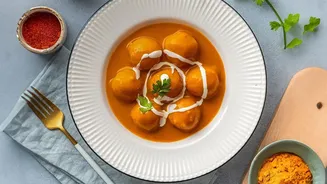
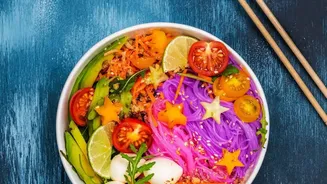
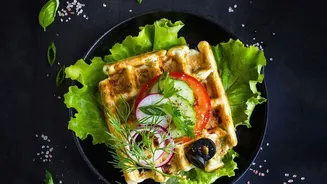
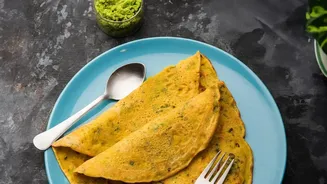
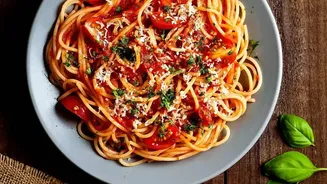
This is where the dish becomes a work of art. Food stylists and chefs use a variety of techniques to turn food into a visual masterpiece. Height is created by stacking elements, giving the dish a three-dimensional quality that pops in photos. Colour theory is essential; complementary colours are used to make ingredients stand out, like a sprig of green parsley on a red sauce. Textural contrast, like a smooth puree next to a crunchy garnish, adds visual interest that a camera can capture effectively. Even the arrangement follows unspoken rules, like placing proteins and sides at specific positions on the plate to ensure visual balance. Negative space on the plate is used deliberately to let each element shine without looking crowded.
Setting the Stage
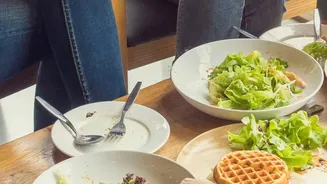
The dish itself is only half the picture. Modern restaurants are increasingly designed to be photo studios. Lighting is the most critical element; establishments invest in fixtures and layouts that provide soft, natural light, which is most flattering for food photography. Harsh overhead lights are avoided as they can create unflattering glares and shadows. Beyond lighting, restaurants curate everything from the tabletops to the flooring and wall decor to create Instagrammable moments. They choose specific crockery—often matte finishes to avoid bouncing light—and unique props that align with their brand aesthetic, ensuring every photo taken in their space reinforces their identity.
Capturing the Perfect Shot
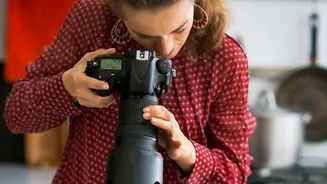
Once the dish is ready and the stage is set, it's time for its close-up. Restaurants often collaborate with local food bloggers and influencers, inviting them to special events to generate buzz and high-quality, organic content. These creators know the best angles and lighting to make the food look irresistible. But it's not just for the pros. Restaurants also rely heavily on user-generated content (UGC). They encourage everyday diners to share their photos by creating a unique brand hashtag and featuring customer posts on their own page. This strategy not only provides a steady stream of free marketing content but also builds a sense of community around the brand.
Its Digital Life and Legacy
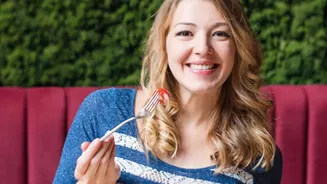
Once posted, the image takes on a life of its own. It becomes a data point, telling the restaurant what's resonating with customers. Likes, comments, and shares provide instant feedback. A single viral photo can put a restaurant on the map, driving reservations and direct orders. For the user, posting a food photo is a form of self-expression and connection. It can be a way to document a happy moment, show off culinary taste, or seek validation from peers. This cycle of creation, capture, and sharing has fundamentally changed the dining experience, blurring the lines between a meal and a piece of content, turning every customer into a potential brand ambassador.