







The Forest's Unseen Gardeners
Deep in any forest, a silent, vital process is constantly at play: seed dispersal. For a forest to grow, regenerate, and remain diverse, tree seeds must travel. They need to move away from the parent tree to avoid competition for light, water, and nutrients.
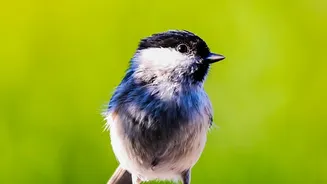
While wind and water play a part, a huge amount of this work is done by animals. From tiny mice and ants to birds, bats, and monkeys, these creatures are the forest's gardeners. They transport seeds in several ways: by eating fruit and later depositing the seeds in their droppings, by carrying seeds on their fur, or by burying nuts and forgetting where they left them. This service, known as zoochory, is essential. In tropical rainforests, up to 90% of tree species depend on animals for dispersal. Without these animal architects, many forests would struggle to recover from damage or adapt to changing conditions.
A Global Scientific Effort
While the headline's '186-species study' points to the scale of research, the scientific community has launched even broader investigations. Recent large-scale analyses, some looking at thousands of sites, combine data from numerous field studies to build a global picture of seed dispersal. Scientists use machine learning and sophisticated modeling to understand the contributions of different animal species. They track everything from the size of an animal to its diet and movement patterns to determine how effective it is at spreading seeds. Some studies even analyze the personalities of individual animals, finding that a bold chipmunk may contribute differently to forest regeneration than a shy one. This collective body of research allows us to 'read' the landscape by understanding that the presence and health of animal populations are directly linked to the health and carbon-storing potential of the forest itself.
What We're Learning
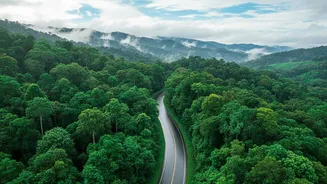
The findings from these massive studies are stark. The loss of seed-dispersing animals has a direct and devastating impact on a forest's ability to thrive. Research shows that the decline of birds and mammals has already reduced the capacity for plants to keep pace with climate change by as much as 60%. When large fruit-eaters like hornbills or monkeys disappear from an ecosystem, trees with large seeds lose their primary mode of transportation, potentially leading to local extinctions. The fragmentation of forests by roads and development restricts animal movement, which in turn limits how far seeds can travel. This creates a negative feedback loop: fewer animals lead to less resilient forests, which are then less able to support the remaining animal populations. Conversely, forests with healthy, diverse animal populations can store significantly more carbon.
Reading the Signs in India
These global lessons are profoundly relevant to India's diverse ecosystems. From the hornbills of the Western Ghats to the langurs and macaques of central India, the country is home to a rich array of crucial seed dispersers. Even fish in riparian forests can play a role. However, these animals face increasing threats from habitat loss and fragmentation. The research provides a clear mandate: protecting these species is not just about wildlife conservation, but about preserving the very fabric of our forests. 'Reading' the animals means understanding that a decline in hornbill sightings, for example, is not just a loss for birdwatchers; it's a warning sign about the forest's long-term ability to regenerate. Conservation efforts that create wildlife corridors to connect fragmented habitats and reintroduce key species can help restore these vital ecological processes, boosting both biodiversity and the forest's ability to fight climate change.