




From 'Plant Parent' to Practical Farmer
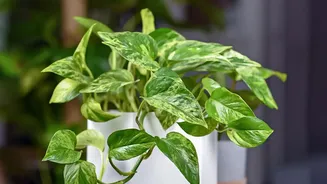
Not long ago, the ultimate urban home accessory was a fiddle-leaf fig or a vibrant monstera. Driven by social media aesthetics, a generation of 'plant parents' embraced indoor greenery, turning apartments into carefully curated jungles. The goal was largely
ornamental—to add a touch of nature and visual appeal to concrete living spaces. While the love for houseplants hasn't faded, a significant evolution is underway. Balconies and windowsills across Indian cities are transforming from passive showrooms for decorative flora into active, miniature farms. The focus is shifting from plants that look good to plants that do good, providing food, flavour, and a deeper sense of connection.
The Rise of the Edible Balcony
What’s driving this change? A potent mix of economic pragmatism and a growing desire for wellness. Concerns over pesticide use and the quality of commercially grown produce have become mainstream, pushing many to grow their own. Why buy a small, expensive packet of herbs when a pot of mint or coriander can provide a fresh supply for weeks? This shift is also a response to volatile food prices; a few tomato plants on a terrace can feel like a smart investment when market prices spike. Beyond the savings, there's the profound satisfaction of harvesting something you've nurtured yourself. This turn towards edibles isn't a rejection of beauty, but a redefinition of it, where a ripening chilli is as prized as a rare calathea.
What's Growing in the Urban Farm?
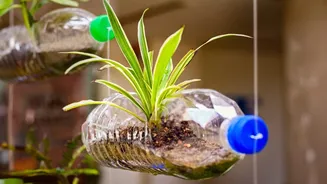
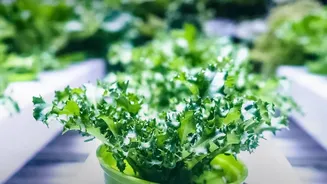
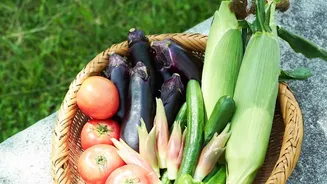
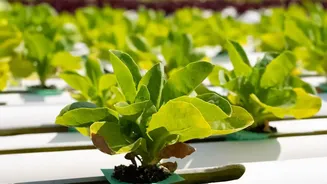
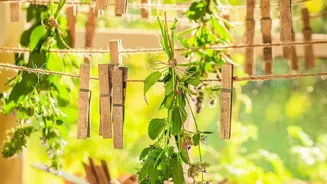
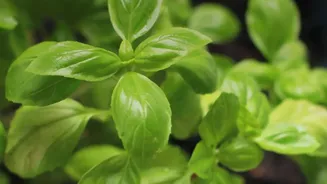
The new urban garden is packed with familiar tastes. Herbs essential to Indian cooking are the most popular starting point: coriander, mint, curry leaves, and tulsi are perfectly suited for small pots. For those with a bit more sun and space, vegetables like tomatoes, chillies, spinach, and brinjal are common choices. The key to this boom has been innovation in gardening techniques. Since floor space is a luxury, gardeners are growing upwards. Vertical gardens, modular wall panels, and trellised climbers allow for a surprising amount of produce in a compact footprint. Lightweight grow bags, which prevent roots from overheating in the Indian sun, and soil-free hydroponic systems for leafy greens are also making it easier than ever to get started without a traditional backyard.
More Than Just a Meal
The benefits of this practical gardening approach extend far beyond the kitchen. For many city dwellers, the daily ritual of tending to plants offers a tangible escape from screen time and work stress. It's a hands-on activity that fosters a connection to nature and reduces reliance on long, complex supply chains. This trend is also fostering a new kind of community. In many housing societies, residents are coming together to create shared rooftop gardens, pooling their time and resources to manage a larger plot and share the harvest. It’s a movement that's not just about cultivating plants, but also about cultivating well-being and community resilience in an increasingly urbanised world. This shift from ornamental to useful represents a deeper engagement with our living spaces, turning them from places we simply inhabit into places that actively sustain us.