


From Daily Roti to Weekend Project
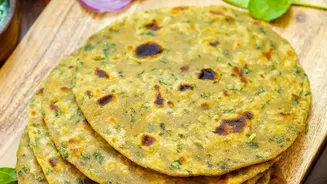
For generations, the rhythm of the Indian kitchen has been defined by the daily making of roti, chapati, or phulka. These whole-wheat flatbreads are the humble, essential companions to everyday sabzis and dals. But as weekdays get busier, weekends have
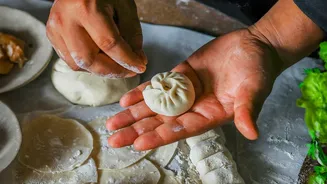
become a time for more ambitious culinary projects. A delicious new trend is emerging: home cooks are dedicating their Saturdays and Sundays to mastering the art of restaurant-style breads. These are not your simple, everyday rotis. We’re talking about soft, pillowy naans, richly stuffed kulchas, and flaky lachha parathas—breads that were once almost exclusively enjoyed when eating out. This shift signals more than just a new recipe in the rotation; it reflects a deeper change in how people are approaching weekend cooking, turning it into a form of relaxation, entertainment, and connection.
What's Fuelling the Home-Tandoor Revolution?
Several factors are contributing to this rise in artisanal home baking. The post-pandemic era saw a surge in home cooking, with many people discovering it as a new hobby and a way to ensure hygiene and quality. This newfound kitchen confidence, combined with the visual appeal of food on social media platforms like Instagram, has inspired many to recreate their favourite restaurant experiences. Furthermore, weekends are increasingly seen as a time for 'experience-based' activities, and cooking an elaborate meal together fits that description perfectly. It becomes a shared family activity, where the process is just as enjoyable as the final meal. The concept of “maa ke haath ka khana” (food made by mother’s hands) remains a powerful cultural touchstone, and mastering these special breads is a new way to express that same love and care.
Bringing the Restaurant Home
A key reason this trend has taken hold is accessibility. While traditional naan and kulcha are baked in a tandoor—a cylindrical clay oven that reaches scorching temperatures—home cooks have devised clever hacks to replicate the effect. Flipping a pressure cooker upside down on the stove or using a cast-iron tawa and then finishing the bread over an open flame can create that signature char and puff. Ingredients like yeast, baking soda, and good-quality all-purpose flour (maida) are more widely available than ever before. Online tutorials and food bloggers have also demystified the process, providing step-by-step instructions for everything from kneading the perfect soft dough to preparing flavourful stuffings for kulchas, such as spiced potatoes (aloo) or paneer.
A Weekend Menu Transformed
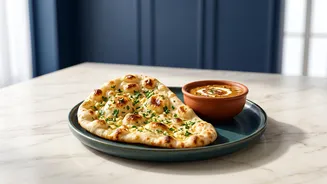
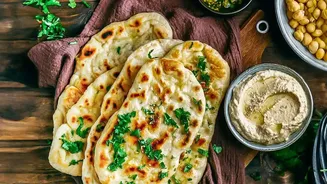
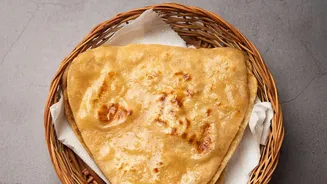
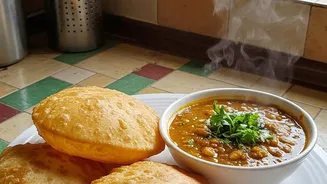
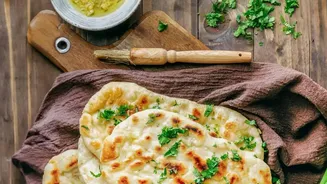
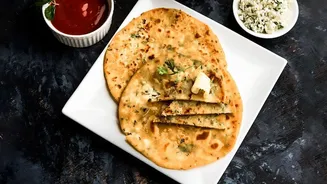
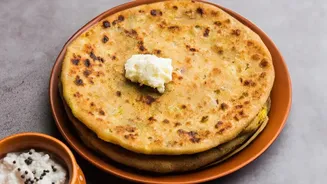
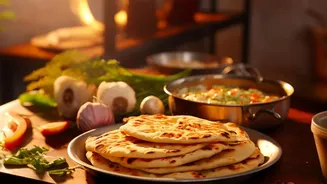
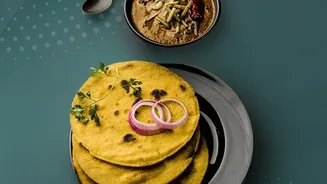
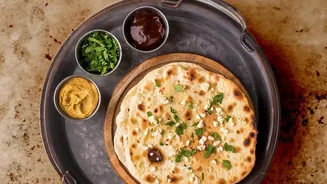
The stars of this trend are breads that offer a departure from the everyday. Garlic naan, brushed with melted butter and sprinkled with fresh coriander, is a perennial favourite. Amritsari kulcha, a specialty from Punjab, is a crisp-yet-flaky bread often stuffed with a spicy potato and onion mixture and cooked until golden. Then there’s the lachha paratha, a multi-layered whole wheat flatbread where each layer is separated by ghee, creating an incredibly rich and flaky texture. Even the bhatura, a deep-fried leavened bread most famously paired with chole, is moving from a street-food treat to a weekend brunch staple at home. Making these breads is a labour of love, but the payoff is a meal that feels celebratory and deeply satisfying.