



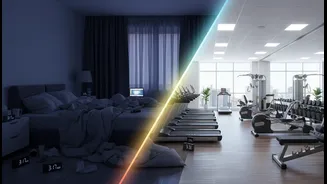


The Short Answer: A Resounding Yes
The connection between sleep and physical performance isn't just a theory; it's a physiological reality. While you might think of sleep as a passive state, your body is incredibly active, undertaking crucial repair and recovery work that is essential
for making your time in the gym count. From muscle growth to hormonal balance and mental stamina, adequate sleep is a non-negotiable component of an effective fitness regimen. Neglecting it can actively sabotage your progress, while prioritising it can unlock new levels of performance and results.
The Science of Overnight Muscle Repair
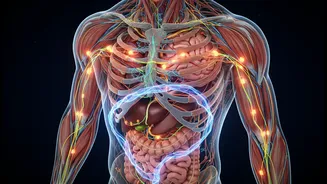
Exercise, particularly resistance training, creates microscopic tears in your muscle fibres. The process of repairing these tears is what makes muscles stronger and larger. This repair work happens most efficiently while you sleep. During the deep stages of non-REM sleep, your pituitary gland releases a significant amount of Human Growth Hormone (HGH). This powerful hormone is critical for tissue growth and the repair of muscle damage sustained during exercise. Studies have shown that when you are sleep-deprived, your body produces less HGH, which can lead to a loss of muscle mass and reduced exercise capacity. One study even found that a single night of sleep deprivation could reduce muscle protein synthesis—the process of turning protein into new muscle—by 18%.
Energy, Endurance, and Perceived Effort
Ever felt like a routine workout is impossibly hard after a poor night's sleep? You’re not imagining it. Sleep is when your body replenishes its stores of glycogen, the main source of energy for your muscles during exercise. When you're running on empty, your endurance plummets. Studies show that sleep deprivation leads to a quicker time to exhaustion during endurance activities. Furthermore, lack of sleep increases your 'rating of perceived exertion' (RPE), meaning workouts feel tougher than they actually are. This can reduce your motivation and the intensity you're able to bring to each session, ultimately hindering your progress.
The Crucial Hormonal Balance
Beyond HGH, sleep orchestrates a complex dance of other hormones vital to fitness. Inadequate sleep can cause levels of cortisol, the body's primary stress hormone, to rise. Chronically high cortisol can promote muscle breakdown and encourage the storage of fat, particularly around the abdomen. At the same time, poor sleep can decrease testosterone levels, a key hormone for muscle growth in both men and women. One study noted a 24% drop in testosterone after just one sleepless night. This hormonal imbalance creates an environment where it's much harder to build muscle and lose fat, no matter how hard you train.
Simple Steps to Better Sleep for Bigger Gains
Understanding the 'why' is only half the battle. The good news is that you can actively improve your sleep to support your fitness goals. Aim for a consistent 7-9 hours per night. Create a sleep-conducive environment by keeping your bedroom dark, quiet, and cool. Establish a relaxing pre-sleep routine; try to avoid screens for 30 to 60 minutes before bed as the blue light can interfere with your body's sleep signals. Be mindful of caffeine and alcohol intake, especially in the evening. Regular exercise itself can also improve sleep quality, with studies suggesting that resistance training, in particular, may increase sleep duration and efficiency.