



What is Blooming Spices?
Blooming, known in Indian cuisine as 'tadka' or 'tempering', is the process of briefly heating whole or ground spices in hot fat, like oil or ghee. This can be done at the very beginning of a recipe to create a flavourful foundation, or poured over a finished
dish as a final aromatic flourish. The hot fat extracts and carries the essence of the spices, infusing the entire dish with a depth and complexity that simply stirring in dry spices cannot achieve. It’s a foundational technique in Indian, Pakistani, and Sri Lankan cooking, responsible for the rich, layered aromas that make these cuisines so irresistible.
The Simple Science of Flavor
The magic of blooming lies in chemistry. Most of the aromatic compounds that give spices their distinct smells and tastes are fat-soluble, not water-soluble. This means they dissolve in oil far more effectively than in water or broth. When spices hit hot fat, the heat ruptures their cellular structure, releasing these volatile oils. The fat then acts as a solvent and a delivery vehicle, capturing these compounds and distributing them evenly throughout your dish. Without this step, many of those complex notes remain locked inside the spice, and your dish misses out on its full potential.
Your Step-by-Step Guide
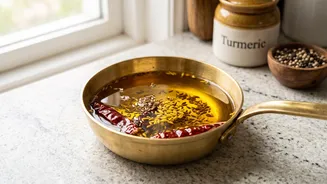
Mastering tadka is about timing and paying attention. The whole process takes only a minute or two, so have all your ingredients prepped and ready before you start. First, heat your fat—ghee, mustard oil, and neutral oils are common choices—in a small pan over medium heat. The oil is ready when it shimmers; if it’s smoking, it's too hot. Add your whole spices first, as they take longer to release their flavors. Things like cumin or mustard seeds should sizzle and crackle within seconds. Cook for about 30-60 seconds, stirring until they become fragrant. If using aromatics like chopped garlic or ginger, add them next, followed by any ground spices. Ground spices burn incredibly fast, so often it's best to add them after turning off the heat, letting the residual warmth of the oil cook them for 5-10 seconds before pouring the tadka into your dish.
Whole Spices vs. Ground Spices
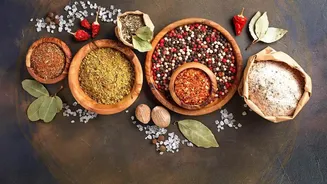
The order in which you add spices is crucial because they cook at different rates. Whole spices like cumin seeds, mustard seeds, cardamom pods, and cinnamon sticks are dense and need more time in the hot oil to unlock their flavors. They can handle the initial heat. Ground spices, on the other hand, have a much larger surface area and can go from fragrant to bitter and burnt in a matter of seconds. A common rule is to add whole spices to the shimmering oil, wait for them to pop or darken slightly, then add quicker-cooking ingredients like garlic, and finally add ground powders like turmeric, chili powder, or garam masala for just a few moments at the end, often with the heat turned off.
Common Mistakes to Avoid
The most common mistake is using oil that is either too hot or not hot enough. If the oil is smoking, your spices will scorch instantly, creating a bitter taste that will ruin the dish. If it's not hot enough, the spices will just soak up oil without releasing their aromatic compounds. The key is shimmering, not smoking, oil. Another pitfall is not having your next ingredients ready. Tempering happens fast, and leaving spices in the pan for even a few extra seconds while you chop an onion can lead to a burnt, unsalvageable mess. If you do burn your tadka, it's always better to discard it and start over; there's no way to rescue the bitter flavor.