

Why Post-Monsoon is the Perfect Season
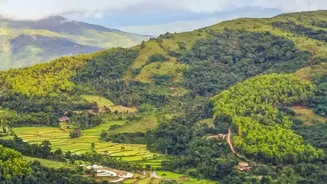
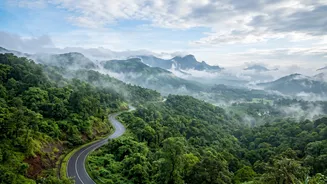
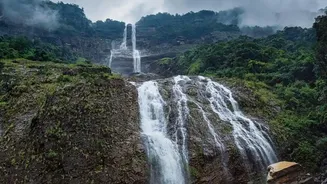
The period from September to November marks a magical transformation in the Western Ghats. The relentless rains subside, giving way to clear blue skies and pleasant temperatures. The landscape, saturated with water, is at its most lush and vibrant. Waterfalls
like Lingmala and Thoseghar, which may be inaccessible during peak monsoon, are now flowing with magnificent force but are safer to visit. This season offers the ideal balance: the beauty of the monsoon without the travel disruptions, making it the prime window for a scenic drive.
Planning Your Route from Mumbai and Pune
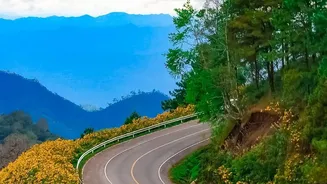
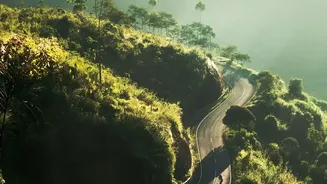
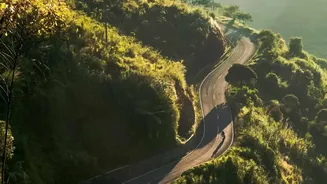
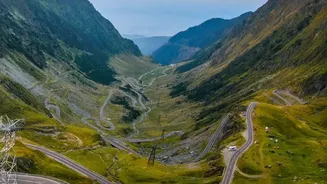
For most drivers, the recommended route is via the Mumbai-Pune Expressway, continuing onto the NH48 towards Satara. This path is well-maintained and offers a smooth drive for a significant portion of the journey. To reach Mahabaleshwar, you will exit the highway at Wai, from where a scenic ghat road begins its ascent through Panchgani. This route is widely considered the safest, especially post-monsoon when roads can be slippery. An alternative for more adventurous drivers is the route via Mahad and Poladpur, which includes the dramatic Ambenali Ghat, but its hairpin bends demand cautious driving and are best avoided in foggy or wet conditions.
Exploring Mahabaleshwar's Rejuvenated Viewpoints
Mahabaleshwar's famous viewpoints are particularly stunning after the rains. Arthur's Seat offers panoramic views of the dense valleys, while Elephant's Head Point provides its iconic profile against a backdrop of clear skies. With the monsoon haze gone, visibility is at its peak. Don’t miss a visit to Venna Lake for a classic boating experience or a stroll through the main market to sample local corn patties and other snacks. Many visitors also stop at Mapro Garden on the Panchgani-Mahabaleshwar road for its famous strawberry cream and to purchase fruit-based products.
The Drive to Satara and the Kaas Plateau
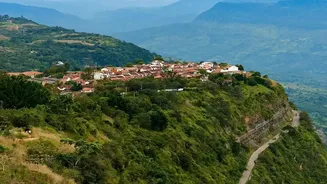
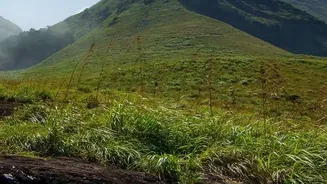
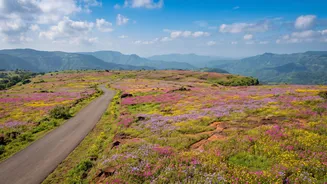
From Mahabaleshwar, the drive to Satara is a journey through rolling hills and rustic countryside. The main attraction during this season is the Kaas Plateau, a UNESCO World Heritage Site located about 25 km from Satara. From late August to early October, this laterite plateau transforms into a 'valley of flowers', covered in a vibrant carpet of over 850 different species of wildflowers. The peak bloom is often in late September. Visitors should book entry tickets online in advance as daily numbers are capped to protect the fragile ecosystem. Beyond Kaas, the impressive Thoseghar Waterfalls, located about 20km from Satara, are a must-visit, roaring with post-monsoon power.
Local Flavours to Savour
While Mahabaleshwar is famous for strawberries, the season for them is primarily in winter. However, the post-monsoon period offers its own culinary delights. Don't miss out on roasted corn on the cob ('bhutta'), available at nearly every viewpoint. For a more substantial meal, look for local eateries serving authentic Maharashtrian food. Try specialties like Pithla Bhakri (a gram flour curry with flatbread), Bharli Vangi (stuffed brinjals), and Misal Pav. Satara is also known for its Kandi Pede, a sweet milk-based confection that makes for a great souvenir.
Essential Safety Tips for the Ghats
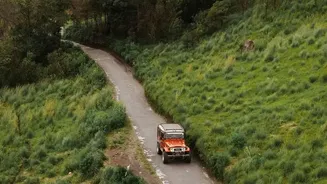
Driving in the ghats after the monsoon requires extra caution. Roads can be slippery, and the risk of fog remains, especially in the early mornings and evenings. It's crucial to check your vehicle's tyres and brakes before starting. Drive at a slow, steady pace, especially on hairpin bends, and use your horn to alert oncoming traffic. Reduce your speed significantly if you encounter patches of water on the road to avoid aquaplaning. It's also advisable to stick to your lane and avoid overtaking on blind curves. Given the potential for landslides, checking local road conditions before you depart is always a wise decision.