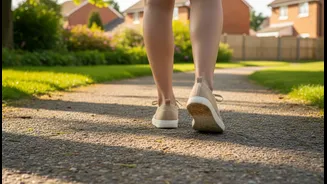









A Shift in Thinking About Exercise
The conventional wisdom around daily exercise often involves setting aside a dedicated block of time—30 or 45 minutes—for a single, sustained workout. While any movement is beneficial, emerging research is highlighting a more nuanced approach, especially
when it comes to managing the immediate effects of a meal. Instead of one long, intense walk, the focus is shifting to shorter, more frequent, and gentler walks timed specifically after eating. This strategy is proving to be remarkably effective for metabolic health, suggesting that when it comes to post-meal movement, consistency and timing trump duration and intensity.
The Science of the Post-Meal Spike
Every time you eat, your body converts carbohydrates into glucose, which enters your bloodstream to be used as energy. This causes a natural rise in blood sugar. Your blood sugar level is typically highest about 30 to 90 minutes after you finish eating. While this is a normal process, sharp and frequent spikes in blood sugar can, over time, put stress on your body and contribute to health issues. The goal isn't to eliminate this rise entirely, but to gently flatten the curve, preventing drastic peaks and subsequent energy crashes. This is where a post-meal walk works its magic.
How Gentle Walking Tames Blood Sugar
When you engage in light physical activity, like a slow walk, your muscles get to work. They act like sponges, pulling glucose directly from your bloodstream for energy. This process helps clear excess sugar from your blood without requiring a large release of insulin, the hormone responsible for managing blood sugar. Studies show that walking after meals can significantly lower the post-meal glucose peak. In fact, some research indicates that three 10-minute walks after meals can be more effective at controlling blood sugar over 24 hours than one single 30-minute walk at another time of day.
Why Regularity Trumps Intensity
Intense exercise right after eating can sometimes be counterproductive. It diverts blood flow away from your digestive system and towards your muscles, which can lead to cramps and indigestion. A gentle, low-intensity walk, however, actually aids digestion by stimulating the stomach and intestines, helping food move through your system more smoothly and reducing feelings of bloating and gas. The key is the timing and regularity. A short walk of just 10 to 15 minutes started soon after finishing a meal is enough to reap significant benefits. Even two to five minutes of movement can make a difference in blunting a blood sugar spike.
Making It a Simple, Sustainable Habit
Incorporating this habit doesn't require a major lifestyle overhaul. The beauty of the post-meal walk is its accessibility. You don't need a gym or special equipment. After lunch at the office, take a 10-minute stroll around the building or even walk up and down a few flights of stairs. After dinner at home, a walk around the block with family is a perfect way to wind down. If you can't get outside, simply walking around your house or doing light chores can also be effective. The goal is to break up periods of sitting after eating. The most important factor is consistency, making it a natural part of your routine after each main meal.