




The Brain-Gut Connection: The Science of Satiety
The single biggest reason to slow down is that your brain needs time to catch up with your stomach. It takes approximately 20 minutes for hormonal signals from your gut to travel to your brain to register that you're full. When you eat quickly, you can
easily consume more food than your body needs before this satiety signal kicks in. This can lead to overeating and, over time, weight gain. Slowing down allows your body’s natural appetite-regulating hormones, like leptin and ghrelin, to work properly, helping you recognise fullness and feel more satisfied with appropriate portions.
Boost Your Digestion and Nutrient Absorption
Digestion doesn’t start in the stomach; it begins in the mouth. Eating slowly encourages you to chew your food more thoroughly. Chewing is a crucial first step in digestion, as it mechanically breaks down food and allows enzymes in your saliva to begin their work. When you rush, you often swallow larger, poorly chewed pieces of food, which can strain your digestive system and lead to bloating, gas, and indigestion. Better chewing means better breakdown and, ultimately, better absorption of nutrients from your food.
The Mental and Emotional Payoff
Mindful eating is about more than just physical health; it’s a powerful tool for reducing stress and improving your mental well-being. Rushed eating can keep your body in a state of stress, similar to the "fight or flight" response, which can hinder digestion. By contrast, taking the time to eat slowly creates a calming, mindful experience. It allows you to tune into your body's cues, distinguishing true hunger from emotional triggers like stress or boredom. This practice can reduce binge eating and emotional eating, fostering a healthier, less anxious relationship with food.
Rediscover the Pleasure of Food
When was the last time you truly tasted your food? In our haste, we often miss the complex flavours, textures, and aromas of our meals. Slowing down is an invitation to engage all your senses. You start to notice the crunch of a fresh vegetable, the warmth of a soup, and the intricate spices in a curry. This heightened awareness leads to greater enjoyment and satisfaction from your meals. When you savour each bite, you feel more fulfilled by the experience, which can reduce cravings later.
How to Start Eating Slower Today
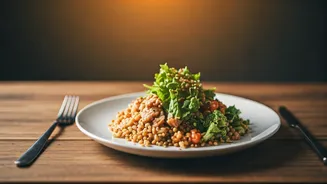
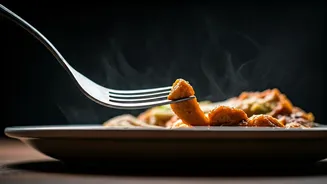
Adopting a slower pace doesn't need to be complicated. Start with one meal a day and try these simple techniques: * **Put down your utensils:** Place your fork or spoon down on the plate between bites. * **Chew thoroughly:** Aim for 20-30 chews per bite. It might feel strange at first, but it makes a huge difference. * **Eliminate distractions:** Turn off the TV, put your phone away, and step away from your computer. Focus only on your meal. * **Take a pause:** Partway through your meal, push your plate away for a minute and check in with your fullness level. * **Use your non-dominant hand:** This simple trick physically forces you to slow down.