





What’s Fuelling This Expansion?
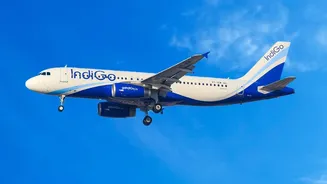
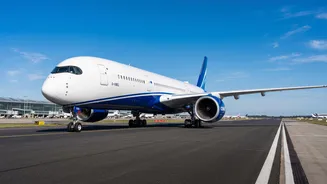
The year 2026 marks a turning point for Indian aviation, driven by several key factors. National carriers like Air India and IndiGo are in the midst of ambitious fleet expansions, bringing in new-generation, long-range aircraft like the Airbus A350 and A321XLR.
This allows them to fly further and more efficiently than ever before. Air India, under new ownership, is revitalising its international network, while IndiGo is strategically moving into the long-haul market. Simultaneously, international airlines are recognising the immense growth in demand from Indian travellers and are adding direct routes from their home hubs. This perfect storm of ambition, new technology, and market demand means that destinations once requiring a connection through the Middle East or Europe are now just one direct flight away.
Europe's Charm, Now a Direct Flight Away
Europe is more accessible than ever, with new routes connecting South India directly to the continent's heart. A significant new service is the SWISS flight from Bengaluru to Zurich, which began in late October 2026. This route connects India's tech capital with Switzerland's financial hub five times a week, serving as a gateway to the rest of Europe and even North America for both business and leisure travellers. For those dreaming of a Mediterranean getaway, IndiGo has also made waves by launching direct services to Athens from both Delhi and Mumbai. These flights make planning a trip to the Greek islands significantly easier, removing the need for a connecting flight and saving precious vacation time.
Connecting to Asia Without the Hassle
The expansion isn't just focused on the West. Connectivity within Asia has also received a major boost. IndiGo launched a notable daily non-stop service between Kolkata and Shanghai in March 2026, strengthening ties with China. Air India Express has also unveiled a massive winter schedule, its largest to date, adding over 40 new routes. Key international additions in this schedule include daily flights from Bengaluru to Kathmandu and twice-daily services from Chennai to Singapore. These new flights make it easier for travellers from across India to access neighbouring countries for tourism and trade, bypassing the need to transit through major hubs like Delhi or Mumbai.
The Rise of Non-Stop US Travel
While many new routes are being established, existing ultra-long-haul services are also being strengthened. In November 2026, Air India resumed its fully non-stop services on all four routes connecting Delhi and Mumbai with New York (JFK) and Newark (EWR). For a period, airspace restrictions had forced these flights to make a technical stop for refuelling, adding hours to the journey. The restoration of these direct routes has cut travel time by up to five hours, bringing the journey down to a much more manageable 17 hours. This is a significant improvement for students, professionals, and families travelling between India's commercial hubs and the US East Coast, reinforcing the appeal of non-stop travel.
More Hubs, More Options
Perhaps the most significant trend is the decentralisation of international travel. While Delhi and Mumbai remain dominant gateways, airports in Bengaluru, Hyderabad, and Chennai are rapidly expanding their own direct international connections. Bengaluru, for example, now boasts direct flights to six European cities, including London, Paris, Amsterdam, and the new Zurich service. This shift means travellers from southern and central India no longer need to take a domestic flight merely to start their international journey. This not only saves time and money but also reduces the overall stress of travel, making overseas trips a smoother experience from start to finish.