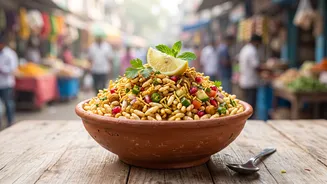






To understand Jhalmuri, the iconic Bengali street snack, you must look past the puffed rice. The true story, the secret to its soul, begins with one deceptively simple ingredient: the fresh, sharp, and unapologetic green chilly.
An Icon in a Paper Cone
Jhalmuri is more than just
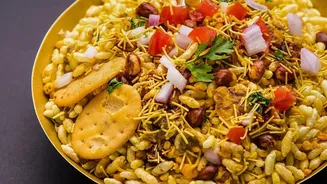
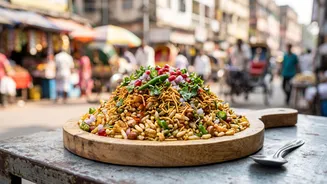
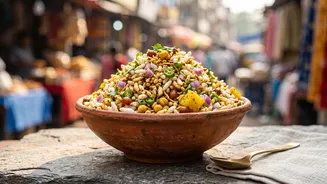
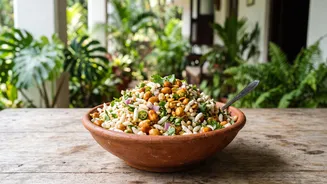
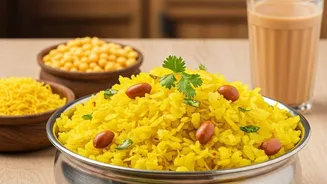
food; it's a cultural symbol of Bengal, an experience served in a paper cone. The name itself tells a story: 'jhal' meaning spicy or pungent, and 'muri' meaning puffed rice. It is a symphony of textures and tastes—crunchy puffed rice, savoury chanachur, diced onions, boiled potatoes, and fresh coconut, all tossed together with spices. This snack is a staple on the streets of Kolkata, on local trains, and at riverside gatherings, beloved for being quick, affordable, and addictively delicious. But while the ensemble of ingredients is crucial, the entire production hinges on two key players that define its Bengali identity: raw mustard oil and freshly chopped green chillies.
The Soul of the 'Jhal'
The 'jhal' in Jhalmuri is not the deep, slow burn of red chilli powder. It's a bright, sharp, and immediate heat that comes directly from 'kancha lanka', the fresh green chillies chopped finely into the mix. This ingredient provides a specific kind of pungency that is fresh and vegetal. Unlike dried spices, the green chilly lends a clean, almost aggressive bite that cuts through the other flavours, awakening the senses. It doesn’t just add heat; it adds a living, botanical note that works in perfect concert with the pungent mustard oil and the tangy squeeze of lemon. This preference for fresh, sharp heat is a hallmark of many Bengali dishes, and in Jhalmuri, the green chilly is its purest expression.
A Pungent Partnership
The magic of Jhalmuri lies in the interplay of its core components, particularly the partnership between green chillies and raw mustard oil. The mustard oil, with its almost wasabi-like pungency, coats every grain of puffed rice, creating a foundational flavour. The green chilly then slices through that richness with its fiery bursts. This is not a gentle layering of flavours; it is a delicious collision. The oil provides the aromatic, pungent base, while the chilly delivers high notes of sharp spice. Together, they prevent the snack from becoming a monotonous mix of dry ingredients, ensuring each spoonful is vibrant and distinct. Without this dynamic duo, Jhalmuri would lose its signature character and become something much closer to its milder cousin, Bhel Puri.
More Than an Ingredient
The headline's 'useful starting point' is this: the green chilly is a gateway to understanding a core principle of Bengali flavour philosophy. While other regional cuisines might build heat through complex dried spice blends, Bengali cooking often celebrates the raw, unadulterated power of fresh ingredients like kancha lanka and the pungency of mustard oil. The green chilly isn't just there for spice; it’s there for flavour, for freshness, and for a very specific sensory experience. It represents an approach to food that is immediate, bold, and unapologetic. It’s a testament to the idea that sometimes, the most powerful flavours are also the most simple and direct.