
The Building Blocks of Life
Let's start with the basics. Proteins are crucial molecules that our bodies need for just about everything—from building muscle and repairing tissue to making hormones. They are made up of smaller units called amino acids. There are twenty different amino acids that can
form a protein, and nine of them are called 'essential' amino acids. Our bodies can't produce these nine on their own, so we must get them from the food we eat. These essential amino acids are histidine, isoleucine, leucine, lysine, methionine, phenylalanine, threonine, tryptophan, and valine.
The Quest for a 'Complete' Protein
A food source is considered a 'complete protein' when it contains all nine essential amino acids in adequate amounts. Animal-based foods like meat, fish, eggs, and dairy are generally considered complete proteins. On the other hand, most individual plant-based foods are often labelled 'incomplete' because they are low in one or more of these essential amino acids. This has led to the common concern, especially for those on vegetarian or vegan diets, about how to get all the protein building blocks the body needs. This is also where protein quality scores like PDCAAS and DIAAS come in, which are scientific methods to rate how well a protein can be used by the body.
The Perfect Partnership: Grains and Legumes
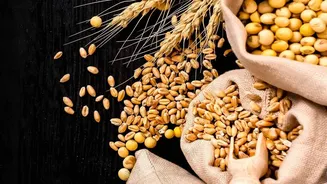
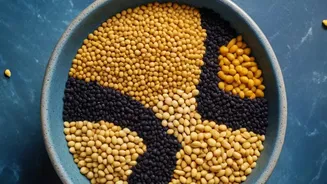
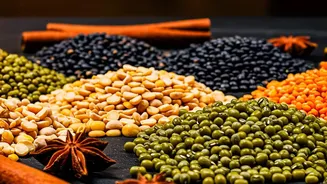
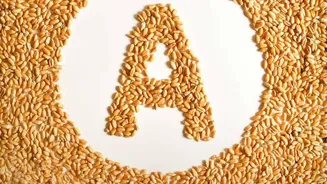
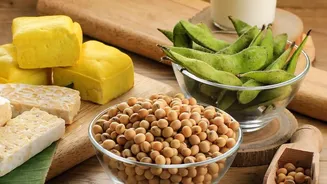
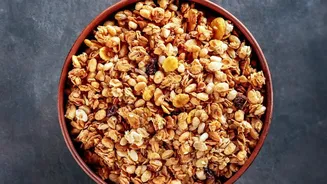
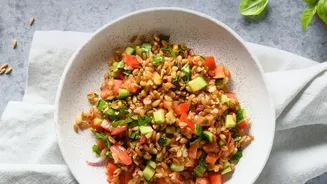
This is where the magic of combining foods comes into play. Think of it like putting together a puzzle. Plant foods have different amino acid profiles, and what one lacks, another often has in abundance. Legumes—which include dals, beans, chickpeas, and lentils—are generally low in the essential amino acid methionine. Grains—such as rice, wheat, and oats—are typically low in the amino acid lysine. However, legumes are rich in lysine, and grains are a good source of methionine. When you eat them together, their amino acid profiles complement each other, filling in the gaps. The combination creates a meal with a complete amino acid profile, similar to what you would get from an animal protein.
A Match Made in the Indian Kitchen
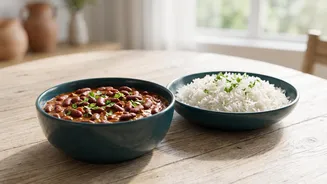
The wisdom of combining grains and legumes isn't a new discovery; it's deeply embedded in traditional culinary practices across India. Many classic Indian dishes are perfect examples of this nutritional synergy. The quintessential comfort food, dal and rice, is a prime example of lentils and grains working together. The same principle applies to roti (a grain) served with chana masala (a legume), or rajma with chawal (kidney beans with rice). Even south Indian staples like idli and dosa, made from a fermented batter of rice and urad dal, are built on this concept of pairing a grain with a legume to create a complete protein source.
Do I Need to Combine at Every Meal?
In the past, it was believed that you needed to eat complementary proteins together in the same meal to get the benefit. However, modern nutritional science has updated this view. Our bodies are quite smart; they maintain a pool of free amino acids to draw from throughout the day. This means as long as you eat a variety of plant-based protein sources—like legumes, grains, nuts, and seeds—over the course of the day, your body can pull what it needs to form complete proteins. So, you don't need to stress about perfectly pairing proteins at every single meal. The key is variety in your daily diet.