



The Creeping Fog of Light Pollution
The greatest challenge for any sky-watcher today isn't clouds, but the pervasive glow of artificial light. Across the globe, night-sky brightness has been increasing by nearly 10% annually in recent years, effectively erasing the stars from view for a vast
majority of the world's population. For amateur and professional astronomers, this 'sky glow' is more than just a missed spectacle; it actively hinders their passion and research. Faint celestial objects like distant galaxies and nebulae, the very things that ignite cosmic curiosity, are the first to disappear in the wash of poorly shielded streetlights and urban sprawl. This steady loss of darkness is the primary force driving enthusiasts to pack their telescopes and travel.
More Than Just Darkness
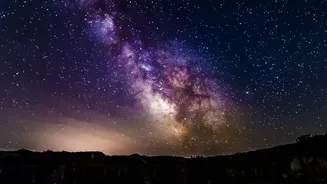
So, what makes a 'dark-sky destination' so special? It's about more than just finding a remote field. Officially designated places, like those certified by DarkSky International, offer a protected nocturnal environment. These parks, reserves, and sanctuaries are committed to preserving the quality of their starry nights through responsible lighting policies and public education. For an astronomy lover, this means arriving at a location where the infrastructure is already geared towards their needs. They offer an assurance of minimal light intrusion, curated viewing areas, and often, a community of like-minded individuals, transforming a personal hobby into a shared experience.
The Rise of Astrotourism
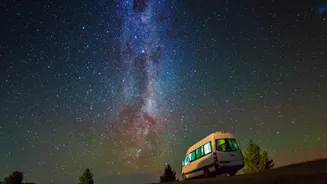
The journey to a dark-sky park has become a travel trend in itself, often called 'astrotourism' or 'noctourism'. This isn't just about escaping city lights; it's about seeking authentic, awe-inspiring experiences that reconnect people with the natural world. The global stargazing tourism market was valued at over $1.8 billion in 2025 and is projected to grow significantly, fuelled by a desire for unique adventures. Hotels and resorts in these areas are leaning in, offering everything from on-site observatories to resident astronomers, turning darkness into a luxury amenity. This trend has a tangible economic benefit, bringing overnight visitors and revenue to rural communities that might otherwise be overlooked.
A Galactic Getaway in India
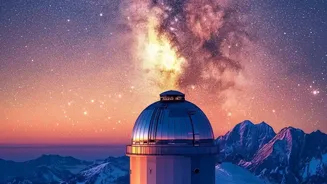
This global movement has a notable address in India. The Hanle Dark Sky Reserve in Ladakh, the country's first, is a prime example of this new frontier. Situated within the Changthang Wildlife Sanctuary, the area around the Indian Astronomical Observatory boasts some of the darkest skies in the world, with a top-tier Bortle Scale rating. The reserve was established through a collaboration to protect the pristine skies for scientific research while simultaneously developing sustainable astro-tourism. Local villagers are trained as 'Astronomy Ambassadors' and equipped with telescopes to guide tourists, creating a unique, community-led experience that boosts the local economy while preserving a precious natural and scientific resource.
Community Under the Cosmos
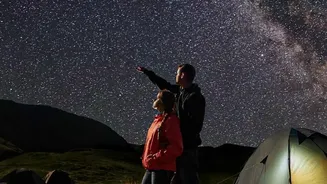
While astronomy can be a solitary pursuit, it thrives on community. Dark-sky destinations often become hubs for 'star parties', where enthusiasts of all levels gather to share views through different telescopes, exchange tips, and learn from each other. These events foster a sense of camaraderie that can be hard to find when you're the only person on your street with a telescope. For newcomers, it's an invaluable opportunity for mentorship, while seasoned veterans can collaborate on more advanced projects like astrophotography. This social dimension is a powerful draw, turning a trip into an opportunity to connect with an 'astro-family' under a shared, spectacular sky.