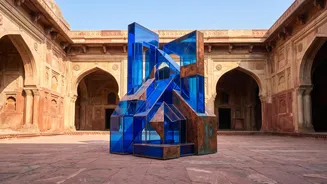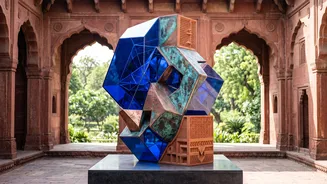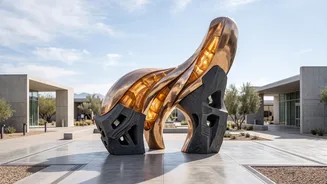



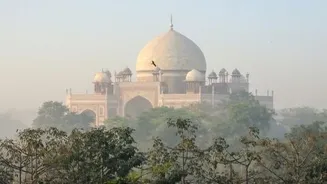
Imagine a striking contemporary sculpture standing in the serene gardens of Humayun’s Tomb, or a cutting-edge digital installation illuminating the cavernous halls of a Lodi-era relic. This is the tantalising vision for Delhi's cultural future.
A Stage Layered with History
Delhi is
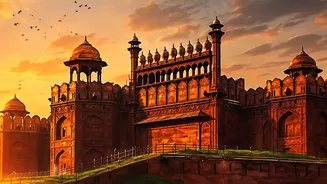
a city built on centuries of history, where ancient monuments are not relics of a forgotten past but an integral part of the urban fabric. From the sprawling grounds of the Red Fort complex to the stately elegance of Safdarjung’s Tomb and the tranquil beauty of Lodhi Garden, the capital is dotted with architectural treasures that tell the story of empires and epochs. These spaces, rich with narrative and aesthetic grandeur, offer a dramatic and meaningful backdrop for contemporary art. Placing modern works in these heritage sites would create a powerful dialogue between the past and the present, inviting audiences to see both the art and the history in a new light. It moves art beyond the sterile ‘white cube’ of a gallery into a living, breathing environment.
Following a Successful Blueprint
The idea of a major art festival in historic Indian settings is not just a dream; it has a celebrated precedent. The Kochi-Muziris Biennale has, for years, masterfully used the heritage properties of Fort Kochi and Mattancherry as its primary venues. Old warehouses, colonial bungalows, and forgotten halls have been transformed into vibrant exhibition spaces, drawing international acclaim and massive crowds. This event proved that integrating art with local history and architecture creates an experience that is immersive, unique, and deeply connected to its location. It provides a successful model for how a similar large-scale event could unfold in Delhi, leveraging the capital's even grander historical canvas to create something truly world-class.
The Power of Site-Specific Art
Around the world, the most exciting art events are those that break free from traditional constraints. Artists are increasingly creating 'site-specific' works designed to interact with a particular location. An installation might respond to the history of a building, a sculpture might frame a specific view, or a performance might draw on the acoustics of a space. By hosting exhibitions within its historic landmarks, Delhi would be tapping into this global movement. This approach challenges artists to think creatively and offers audiences a more profound experience. Instead of passively viewing art on a wall, visitors embark on a journey of discovery, exploring both the artwork and the magnificent site that holds it.
Is Delhi's Moment Now?
The stage is perfectly set for Delhi to host its own international art biennale. The city already boasts a robust art ecosystem, with a high concentration of galleries, a vibrant community of artists and curators, and premier institutions like the National Gallery of Modern Art. It is a bustling, cosmopolitan hub with the infrastructure and global connectivity needed to support a massive cultural undertaking. An event of this nature would not only energize the city’s residents but also cement Delhi’s reputation as a leading global centre for arts and culture, attracting tourism and international attention. A biennale that unfolds across its historic heart would be a bold declaration of India’s dynamic and evolving cultural identity.