



The Power of Grouping
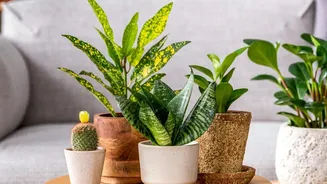
For plant lovers, especially those in urban homes and apartments, space is a premium. Instead of scattering small pots across every available surface, consider consolidating them. Placing several small, individually potted plants onto a single wide, shallow
tray is a game-changer. This isn't just about tidy aesthetics; it’s a strategic move that benefits both you and your plants. This method, often called a 'pebble tray' or 'humidity tray' when pebbles and water are added, simplifies care and creates a more cohesive look. It turns a scattered collection into a deliberate, lush 'plantscape' that can become a focal point in any room.
A Natural Humidity Boost
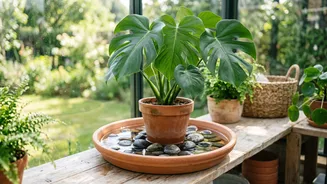
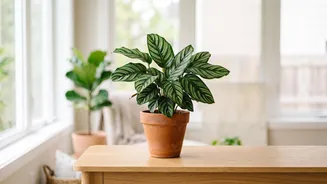
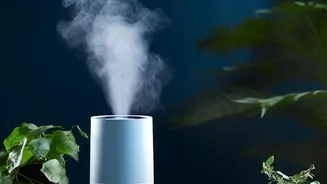
Many popular houseplants, such as ferns, calatheas, and peace lilies, are native to tropical regions and crave higher humidity than the average home provides. Grouping plants together on a tray naturally increases the ambient moisture. Plants release water vapour from their leaves through a process called transpiration. When clustered, they create a shared microclimate, trapping this humidity and benefiting the entire group. To amplify this effect, fill the tray with a layer of pebbles and add water until it’s just below the surface of the stones. The pots sit on the dry pebbles, preventing root rot, while the water slowly evaporates, providing a constant, gentle humidity boost right where it's needed most.
Simplified and Economical Care
The headline's promise of an economical solution holds true in several ways. Firstly, watering becomes far more efficient. Instead of attending to each pot individually, you can manage the group's needs at once, saving time and effort. Using a single tray helps catch any overflow, protecting your furniture and floors. More importantly, it can help conserve water. When using the pebble tray method, the evaporating water directly benefits the plants, reducing the frequency with which you might need to mist them. Grouping also makes monitoring easier; you can quickly spot any issues like pests or wilting on one plant before it potentially spreads. Economical trays can be found anywhere, from garden centres to thrift stores—even a simple boot tray can be repurposed for this task.
Choosing Compatible Companions
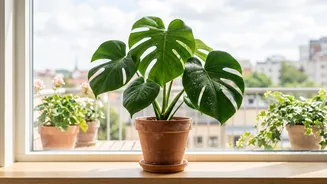
For this setup to succeed, it's crucial to group plants with similar needs. Don't place a sun-loving succulent next to a shade-dwelling fern. Create separate trays for different 'communities'. For instance, one tray could house your humidity-loving tropicals like philodendrons and monsteras. Another could be dedicated to succulents and cacti, which prefer drier conditions and won't need the added humidity from a water-filled pebble tray. Grouping by light and water requirements ensures that no single plant is struggling while its neighbour thrives. This makes your care routine logical and effective, ensuring the whole group remains healthy.
Creating a Stunning Display
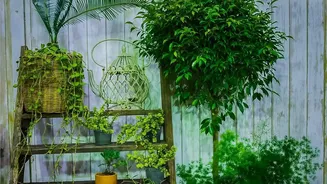
Beyond the practical benefits, grouping plants on a tray is a powerful design tool. It allows you to play with different heights, textures, and colours to create a visually striking arrangement. A collection of varied greens, perhaps with a pop of colour from a calathea or the unique texture of a fern, creates a lush, jungle-like vibe that a single plant cannot achieve on its own. Think of it as creating a miniature garden on a tabletop or windowsill. You can choose a tray that complements your decor—whether it's a sleek ceramic dish, a rustic wooden box, or a simple terracotta saucer—to tie the whole look together.
A Note on Airflow and Pests
While grouping plants is beneficial, there is one key consideration: airflow. Plants shouldn't be so crowded that their leaves are constantly touching, as this can inhibit growth and, more importantly, create an environment where pests and fungal diseases can spread more easily from one plant to another. Ensure there's a little bit of space between each pot to allow air to circulate. It's also wise to regularly inspect your plants for any signs of trouble. Quarantining new plants before adding them to the group is a good practice to prevent introducing pests to your established collection.