





The Gland That Time (Apparently) Forgot
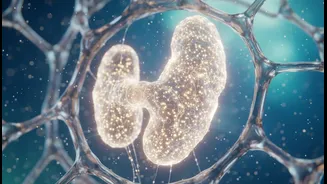
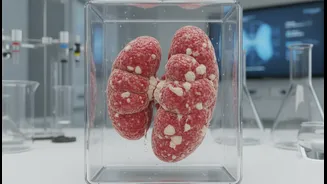
The thymus is a small, butterfly-shaped organ located behind the breastbone, and it plays a vital role in our immune system. Its primary job is to act as a training ground for a special type of white blood cell called T-cells. These cells are essential
for fighting off infections and diseases. For years, the prevailing medical wisdom was that the thymus did most of its work during childhood and puberty. Afterwards, it begins a process of shrinking known as involution, where functional tissue is gradually replaced by fat. This led to a long-held belief that in adults, the thymus was largely a non-functional remnant.
New Evidence Challenges Old Beliefs
Recent groundbreaking research is forcing a major reassessment of the adult thymus. In a pair of studies published in Nature, researchers used artificial intelligence to analyze thousands of routine CT scans from adults. They developed a “thymic health” score based on the organ’s size, shape, and composition. The findings were stunning: adults with a healthier thymus had significantly lower risks of death from any cause. Specifically, they showed a roughly 50% lower risk of death, a 36% lower risk of developing lung cancer, and a 63% lower risk of cardiovascular death compared to those with poor thymic health.
Why T-Cells Are Your Immune System's Elite Force
To understand why the thymus matters, you have to understand T-cells. These lymphocytes start in the bone marrow but migrate to the thymus to mature. Inside the thymus, they are 'educated' to distinguish between the body's own healthy cells and harmful invaders like viruses, bacteria, and cancerous cells. A healthy, functional thymus continually produces a diverse army of new, or 'naïve', T-cells ready to tackle new threats. When the thymus shrinks with age, this production line falters, leaving the immune system less resilient and more vulnerable.
The Link to Aging, Cancer, and Disease
This new research directly connects the dots between a shrinking thymus, a process called immunosenescence (immune system aging), and adult health. A less active thymus means fewer new T-cells, which can lead to a weaker immune response against new infections and a reduced ability to spot and destroy cancer cells. The Harvard-affiliated studies also found a strong link between thymic health and the success of cancer immunotherapy. Patients with healthier thymus glands had a 37% lower risk of cancer progression and a 44% lower risk of death when treated with these therapies, which rely on a patient's own immune system to fight cancer.
The Future: Can We Regenerate the Thymus?
The exciting implication of this work is that the thymus might not be destined to fade away. The research is now entering a new era focused on regeneration. Scientists are exploring various strategies to rejuvenate the aging thymus, from stem cell therapies to new drug compounds called 'thymopoietics'. Studies in mice have already shown promising results. One approach involves using regulatory T-cells to secrete growth factors that help regenerate the thymus. Another involves using mRNA technology to stimulate the liver to produce the factors that normally support T-cell development, effectively creating a temporary, synthetic thymus function. Clinical trials are underway to test combination treatments aimed at reversing age-related decline.