

The Science of Sour: Probiotics in a Jar
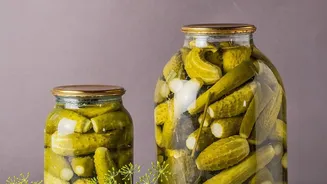
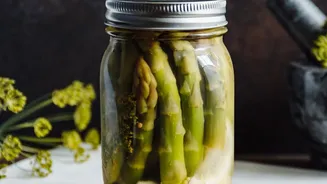
Forget the heavy oils and sharp vinegars that dominate commercial pickles. This revival is all about lacto-fermentation, a traditional method that uses only salt, water, and the natural bacteria present on vegetables. When vegetables are submerged in this
simple brine, beneficial bacteria, primarily from the Lactobacillus family, get to work. They convert natural sugars in the vegetables into lactic acid, which acts as a natural preservative and creates that characteristic tangy flavour. Unlike vinegar pickling, which preserves through acidity but kills most microbes, this slow, natural process cultivates live, active probiotics—the good bacteria known to support a healthy gut, aid digestion, and boost immunity.
Why Urbanites Are Hooked
The appeal for city dwellers goes beyond just flavour. In an age of processed foods, making your own pickles offers complete control over ingredients, eliminating preservatives and hidden sugars. This trend taps into a growing desire for healthier, cleaner eating. For many, the process itself is a form of mindfulness—a welcome, tangible escape from screen-heavy urban life. It's a way to reconnect with food sources and an ancient preservation craft that feels both grounding and creative. Furthermore, with rising food costs, transforming inexpensive seasonal produce into long-lasting, flavourful condiments is a smart, sustainable practice for the modern urban kitchen.
A Return to Indian Roots
While it may feel like a new trend, oil-free pickling is deeply rooted in Indian culinary history. Many traditional recipes rely on fermentation rather than oil for preservation and flavour. Think of 'Gajar ki Kanji', a fermented carrot drink from North India, where carrots, mustard seeds, and water create a tangy, probiotic-rich beverage. Similarly, many lemon pickles ('nimbu ka achaar') are made simply with salt and lemon juice, slowly maturing in the sun to soften the rind and develop complex flavours without a drop of oil. This modern revival is, in many ways, a rediscovery of these time-honoured, healthier techniques that were once commonplace in Indian households.
Your First Foray into Fermenting
Getting started is simpler than you think. You don’t need fancy equipment—just a clean glass jar, non-iodized salt, and fresh vegetables. A good rule of thumb for the brine is to use about 20-25 grams of salt per litre of non-chlorinated water. Carrots, radishes, cucumbers, and beans are excellent choices for beginners. Just chop your vegetables, place them in the jar, and pour the salt-water brine over them until they are fully submerged. It’s crucial that the vegetables stay below the brine to prevent mould. You can use a smaller glass weight or even a clean cabbage leaf to keep them down. Seal the jar and leave it at room temperature for 3 to 7 days, “burping” it daily by briefly opening the lid to release the gas that builds up during fermentation.
Avoiding Common Pitfalls
New fermenters often worry about things going wrong, but most issues are easily avoided. The most common mistake is not using enough salt, which can allow harmful bacteria to grow, or letting vegetables float above the brine, exposing them to air and potential mould. If you see a white film on top, it's often harmless kahm yeast, which can be skimmed off. However, colourful, fuzzy mould means the batch should be discarded. Fermenting in a spot that's too warm (above 24°C) can make vegetables mushy. The key is to be patient, trust the process, and don't be discouraged if your first attempt isn't perfect. Every batch is a learning experience.