






The Flight Gamble: Flexibility is Your Best Friend
Flights will be your biggest and most volatile expense when booking at the last minute. Prices surge closer to the departure date, but deals can still be found. Direct flights from major Indian cities like Delhi, Mumbai, and Kolkata are operated by carriers
including IndiGo and VietJet Air. Instead of locking into one date, use flight aggregator sites with a flexible date tool to check prices for the entire week. Sometimes, shifting your departure by a day or two can lead to significant savings. Also, consider flying into one city (like Hanoi) and out of another (like Ho Chi Minh City) to avoid backtracking, which can save both time and money on internal flights. Don't forget to check budget airline websites directly, as they occasionally release unsold seats at a discount just before a flight.
Visas: The One Thing You Can’t Leave Too Late
For Indian passport holders, a visa is mandatory to enter mainland Vietnam. The most common and recommended option is the e-visa, which costs around $25 USD and allows for a 90-day stay. While the official processing time is often cited as 3-5 working days, this can stretch to eight days or more during peak seasons. Applying just days before departure is a significant risk; a delay could mean forfeiting your flight. The best strategy for a short-notice trip is to apply for the e-visa the moment you decide to go, even before booking flights. Some agencies offer expedited services for a higher fee, which can process a visa in 1-2 working days, providing a crucial safety net for spontaneous travellers.
Finding a Place to Stay on Short Notice
Unlike flights, accommodation in Vietnam is plentiful and often affordable, even when booked late. While the most popular hotels might be full, you will always find a place to stay. Use apps like Agoda and Booking.com, which are popular in Southeast Asia and often feature last-minute deals. In major cities like Hanoi and Ho Chi Minh City, consider staying in areas just outside the main tourist hubs (like District 1 in HCMC) for better prices without sacrificing accessibility. Homestays and guesthouses offer incredible value and a more local experience. For a last-minute booking, it’s wise to reserve at least your first one or two nights in advance and then book the rest of your trip as you go, giving you more flexibility.
On-the-Ground Costs: Food and Transport
Once in Vietnam, your daily expenses can be incredibly low. Street food is a highlight of Vietnamese culture and is exceptionally cheap; a delicious bowl of pho or a banh mi sandwich often costs between ₹100 and ₹200. For transport within cities, ride-hailing apps like Grab are your best bet. They offer both car and motorbike taxis at fixed, transparent prices, helping you avoid the tourist markups common with street-hailed taxis. A short Grab bike ride across a city district can cost as little as ₹70-₹150. For longer distances between cities, overnight buses and trains are cost-effective, though last-minute domestic flights can also be surprisingly affordable if booked a day or two in advance.
Activities and Tours Without Pre-Booking
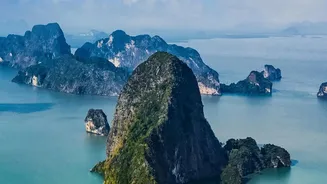
There's little need to pre-book most day tours and activities far in advance. Unless you have your heart set on a specific high-demand Halong Bay cruise or a niche tour during a major holiday, you can easily book experiences a day or two beforehand through your hotel or local travel agents. In fact, booking on the ground often gives you more options and sometimes better prices. This approach allows for spontaneity; you might hear about a hidden gem from a fellow traveller and decide to change your plans. For major attractions like the Cu Chi Tunnels or a Mekong Delta day trip, countless operators in Ho Chi Minh City offer daily tours.