



The Spirit of the Sadhya
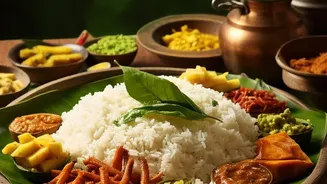
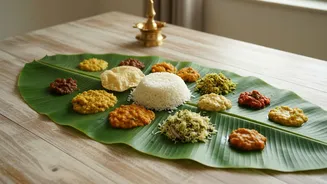
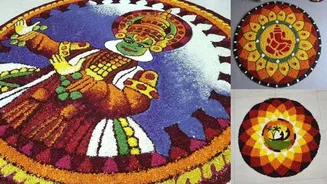
An Onam Sadhya, or Sadya, is a traditional vegetarian banquet from Kerala, served on a banana leaf to honour the homecoming of the mythical King Mahabali. While some feasts can feature over two dozen dishes, its essence isn't about hitting a specific
number; it's about balance and celebration. The meal traditionally incorporates six key flavours—sweet, salty, sour, spicy, bitter, and astringent. The banana leaf itself is more than just a plate; it's a natural, biodegradable canvas that adds a subtle fragrance to the hot food served upon it, making clean-up remarkably simple for a large gathering. Understanding this core spirit is the first step to making the Sadhya your own.
Curate a Manageable Menu
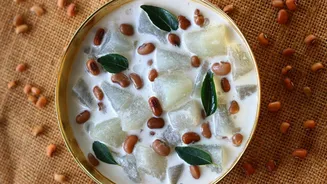
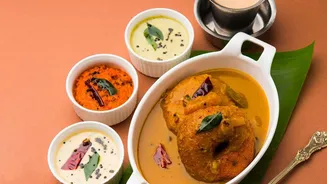
Instead of attempting all 26 dishes, focus on a representative selection that captures the diversity of the feast. A practical Sadhya can be built around a few essential categories. Start with red matta rice, the traditional centrepiece. For the main curries, choose a simple Parippu (lentil curry) and a more complex Sambar (vegetable and lentil stew). Then, select one or two vegetable sides. Avial, a mixed vegetable dish with coconut and yoghurt, is a must-have for many. Pair it with a simple Thoran, which is a dry stir-fry of vegetables like cabbage or beans with grated coconut. For condiments, the tangy and sweet Puli Inji (ginger-tamarind chutney) is essential. Round out the meal with store-bought banana chips and pappadams, and one dessert, like a simple Semiya Payasam (vermicelli pudding). This core menu delivers the authentic Sadhya experience without overwhelming the cook.
Your Sadhya Game Plan
The secret to a stress-free Sadhya is planning and preparation. Stagger your cooking over several days to make the final day manageable. Three to four days ahead, you can prepare pickles like Puli Inji, which actually taste better as the flavours meld. The day before, tackle the most time-consuming task: chopping vegetables. You can peel and cut everything needed for your Avial, Sambar, and Thoran and store them in airtight containers in the fridge. You can also grate coconut, boil the dal for your Sambar, and even prepare some dishes like Avial or Kalan, as their flavours often improve overnight. Frying pappadams in advance and storing them in an airtight container is another great time-saver.
Smart Shortcuts and On-the-Day Hacks
On the day of the feast, your focus should be on assembling and finishing the dishes. One of the best hacks is to prepare the base for coconut pastes in bulk. Many Sadhya dishes, including Avial and Thoran, use a ground mixture of coconut, cumin seeds, and green chillies. You can grind a large batch and divide it among your different preparations. Similarly, you can prepare a large batch of tempering (tadka) with coconut oil, mustard seeds, curry leaves, and dried red chillies and add it to multiple dishes at the end. Don't hesitate to use high-quality store-bought items like pickles, banana chips, and Sharkkara Upperi (jaggery-coated chips). Cooking the rice should be one of the last things you do, ensuring it is hot and fresh when served.
The Art of Serving
Serving the Sadhya has its own beautiful tradition that elevates the meal. The banana leaf is placed with its narrow tip pointing to the left of the guest. The accompaniments like pickles, chips, and salt are served in small quantities on the top half of the leaf, starting from the left. The main vegetable dishes like Avial and Thoran are placed on the right side of the top half. Rice is served on the bottom half, which is closer to the diner. The liquid curries like Parippu and Sambar are poured over the rice. Following this order creates a visually stunning and organized platter, allowing guests to enjoy the distinct taste of each item before mixing them.