


Why Hygiene is Your Top Priority
The monsoon provides a welcome break from the heat, but the increased humidity and moisture create a perfect breeding ground for bacteria and viruses. This elevates the risk of foodborne and waterborne illnesses like gastroenteritis, cholera, and typhoid.
Street food, while tempting, poses a higher risk as ingredients may be exposed to contaminated water or prepared in unhygienic conditions. Even at home, food spoils faster. Therefore, focusing on freshly cooked, hot, and hygienically prepared snacks is not just a matter of taste but a crucial step towards staying healthy throughout the season.
The All-Time Favourite: Home-Style Pakoras
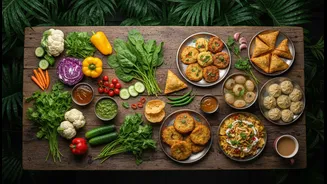
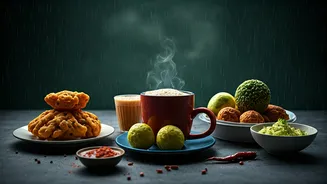
No monsoon is complete without pakoras. These deep-fried fritters, whether made with onion (kanda bhaji), potato, spinach, or paneer, are the ultimate comfort food. The key to enjoying them safely is to make them at home. This way, you control the quality of the ingredients, the freshness of the oil, and the overall cleanliness. Using a batter of gram flour (besan) mixed with spices like ajwain (carom seeds) not only adds flavour but can also aid digestion. For a healthier twist, consider using an air fryer, which gives you that desired crunch with significantly less oil. Serve them piping hot with homemade mint or tamarind chutney.
Classic Comfort: Roasted Corn on the Cob (Bhutta)
The smoky aroma of roasted bhutta is synonymous with rainy days in India. This is one of the safer street-side snacks you can indulge in, provided it is served hot, straight from the coals. The heat from roasting kills most germs. When buying from a vendor, watch to see that they are handling the corn hygienically. Better yet, make it at home. You can roast it directly over a gas flame until the kernels are charred and cooked. Rub it with a slice of lemon dipped in salt and red chilli powder for that classic tangy, spicy kick. It's a snack that is not only delicious but also rich in fibre.
Steamed and Safe: Idli, Dhokla, and Momos
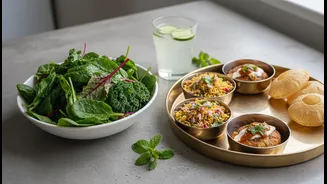
Steamed snacks are your best friends during the monsoon. They are light, easy to digest, and inherently safer than fried foods that may have been sitting out. Options like dhokla, made from fermented batter, are light and savoury. Similarly, hot, fluffy idlis served with sambar are a comforting and healthy choice. If you're craving something more substantial, opt for vegetable or chicken momos from a reputable restaurant or prepare them at home. The key is to ensure they are served steaming hot, as the high temperature is crucial for safety. Avoid the raw, cold chutneys that are often left in open containers at food stalls.
Hearty and Healthy: Spiced Soups and Broths
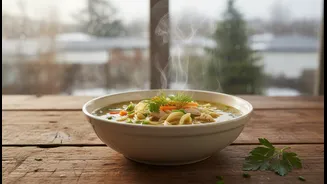
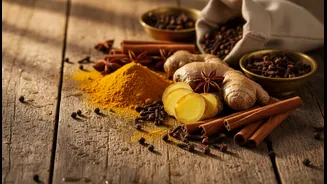
A warm bowl of soup can be incredibly comforting on a cool, rainy evening. A simple tomato soup, a mixed vegetable clear soup, or even a spicy manchow soup are excellent choices. They not only provide warmth but also help you stay hydrated. Making soups at home allows you to pack them with immunity-boosting ingredients like ginger, garlic, and turmeric. These ingredients have natural antibacterial and anti-inflammatory properties that are beneficial during a season when infections are common. A hot beverage like masala chai, brewed with spices like ginger and cardamom, also offers similar comfort and benefits.
A Quick Monsoon Safety Checklist
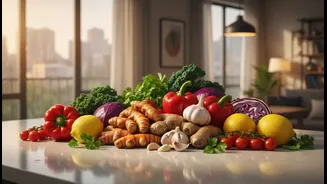
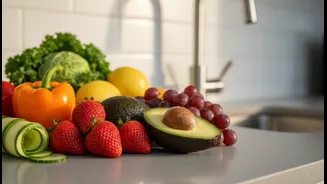
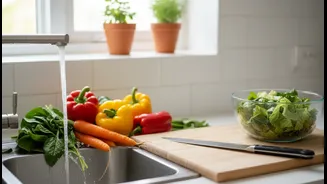
To keep your snacking habits sorted and safe, here are a few final tips. Always wash fruits and vegetables thoroughly under running water before use. It's best to avoid raw salads and opt for steamed or cooked vegetables instead. When it comes to water, stick to boiled, filtered, or sealed bottled water to prevent waterborne diseases. Store any leftover food in airtight containers in the refrigerator promptly, as humidity accelerates spoilage. And finally, always wash your hands with soap before preparing or eating food. These simple habits can make all the difference in enjoying a healthy and happy monsoon.