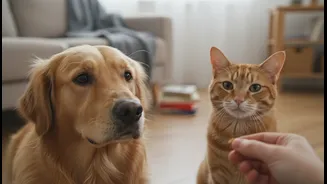






More Than Just a Loud Noise
While the booming sound of thunder is a primary trigger, a pet's fear of storms is often more complex. Many animals are sensitive to changes in barometric pressure, which drops before a storm arrives, alerting them that something is coming long before we
notice. Their incredible sense of hearing also picks up low-frequency rumbles that are inaudible to humans. But one of the most surprising factors is static electricity. The electrically charged atmosphere during a thunderstorm can cause static to build up in a pet's coat, leading to uncomfortable or even painful little shocks. This may explain why many dogs seek out grounded locations like bathrooms, basements, or bathtubs, where they are less likely to experience these zaps.
Recognising the Signs of Storm Phobia
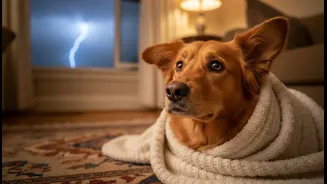
The symptoms mentioned in the headline—shaking, drooling, clinging, and escape attempts—are classic signs of astraphobia, or storm phobia. But anxiety can manifest in many ways, and it is crucial to recognize them early. Other common signs include excessive panting even when not hot, relentless pacing, and hiding under furniture or in closets. Some pets may become more vocal, with incessant whining, barking, or howling. In severe cases, this anxiety can lead to destructive behaviour like chewing on furniture or frantic scratching at doors and windows in an attempt to escape the perceived threat. Some may even lose bladder or bowel control out of sheer terror.
How to Create a Calming Sanctuary
Your first step is to manage your pet's immediate environment. Create a 'safe space' for them. This could be a crate (if they are already comfortable with it), a closet, or a room without windows. Make it cosy with their favourite blankets and toys. Playing calm, classical music or turning on a television or fan can help mask the sounds of the storm. Closing curtains or blinds will block out the frightening flashes of lightning. Crucially, remain calm yourself. Pets are highly attuned to our emotions, and if they see you are relaxed, it can help reassure them that there is no real danger. Never punish or scold a frightened pet, as this will only increase their fear.
Practical Tools and Techniques for Relief
There are several tools that can help soothe an anxious pet. Anxiety wraps or 'Thundershirts' apply gentle, constant pressure, which has a calming effect similar to swaddling an infant. You can also try distracting your pet with high-value treats, a food puzzle, or a game of indoor fetch. This can help create a positive association with the storm over time—a technique called counter-conditioning. Pheromone diffusers, like Adaptil for dogs and Feliway for cats, release synthetic versions of calming animal pheromones into the air, helping to create a sense of security. If you know a storm is approaching, taking your dog for a vigorous walk or run beforehand can help burn off excess energy that might otherwise fuel anxiety.
When to Involve a Professional
For some pets, the fear can be debilitating and may worsen over time. If your pet's anxiety is severe—leading to self-injury, extreme destruction, or panic that cannot be managed—it is time to consult a veterinarian. They can rule out any underlying medical issues and discuss further options. This might include prescription anti-anxiety medications, which can be a lifeline for pets with severe phobias. Your vet might also recommend a certified animal behaviorist who can work with you and your pet on specific behaviour modification techniques, such as systematic desensitization, to gradually reduce their fear over the long term.