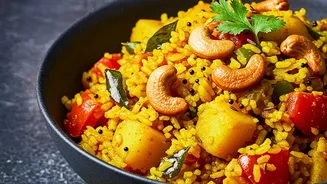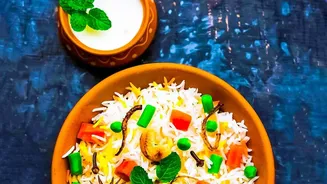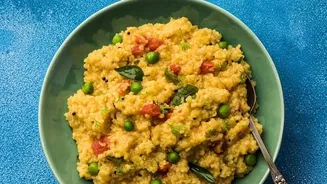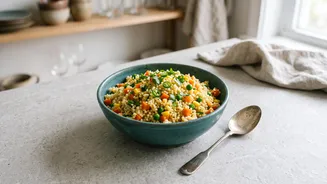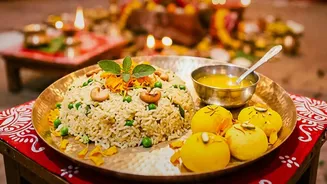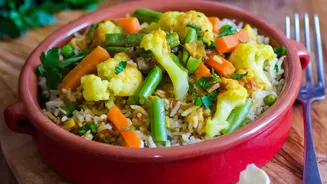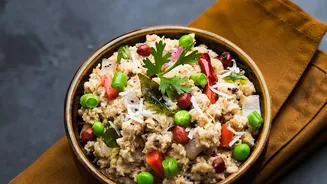





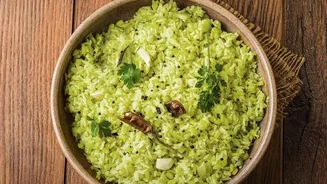

Tired of mushy, sticky millet pulao? The dream is a dish of light, fluffy grains, but the reality can often be a disappointment. The secret isn't a complicated recipe; it’s about understanding the technique to achieve the perfect texture.
Start with the Right Millet
Not all millets
behave the same way, and your choice is the first step towards a fluffy pulao. For a rice-like texture with separate grains, Foxtail Millet (known as Navane or Thinai) is an excellent choice. It's known for its ability to stay distinct when cooked properly. Little Millet and Barnyard Millet are also great options for pulao, as they cook up light and fluffy. Kodo Millet can also work well, but some varieties might be chewier. The key is to select a millet variety that is known for holding its shape, as opposed to those like ragi (finger millet) which are better suited for porridges. Always ensure you are using hulled millets, which have had their indigestible outer husk removed and are ready for cooking.
The Soaking Debate: To Soak or Not to Soak?
Soaking is a crucial, non-negotiable step for achieving superior texture. Soaking millets for at least 30 minutes, and ideally for 6-8 hours, softens the tough outer layer, which allows them to cook more evenly and absorb water gradually. This process not only dramatically improves the final texture but also reduces cooking time and helps remove phytic acid, an anti-nutrient that can block mineral absorption. While some recipes suggest a shorter soak of 15-20 minutes or even no soaking at all, a longer soak generally yields the best results for a fluffy, non-sticky dish. After soaking, it's important to drain the water completely before cooking.
Mastering the Water Ratio
Using the wrong amount of water is the most common reason for mushy millet. Unlike rice, millets are not a one-size-fits-all grain; each type has a specific water requirement. A general rule of thumb for a fluffy pulao is a 1:2 ratio (one cup of millet to two cups of water). Some recipes suggest a 1:2.5 ratio for millets like foxtail and kodo. If you have soaked the millet, you may need slightly less water. Always start with a 1:2 ratio and adjust if needed. If the pulao seems undercooked, you can add a small amount of hot water and continue to cook on low heat. If there's excess water, cook uncovered on a higher flame to let it evaporate.
Technique is Everything
How you cook the pulao is just as important as the ingredients. One of the biggest mistakes is stirring the millet while it cooks. Stirring breaks down the delicate grains, releasing starch and creating a sticky, gummy mess. Simply bring the water to a boil, add the drained millet and other ingredients, give it one gentle stir, then cover the pot and reduce the heat to a low simmer. Cooking on low heat allows for gentle, even absorption of water. Another key technique is to lightly sauté the drained millet in a little ghee or oil for a minute before adding water. This coats each grain in fat, helping them remain separate during cooking.
Managing Vegetables and Resting
The vegetables in your pulao also contribute to the final moisture content. It's best to sauté your vegetables (like onions, carrots, beans, and peas) with aromatics and spices before adding the millet and water. This develops their flavour and controls the amount of liquid they release. Once the millet is cooked and all the water is absorbed, the final, crucial step is to let it rest. Turn off the heat and let the pulao sit, covered and undisturbed, for at least 5 to 10 minutes. This allows the steam to redistribute, firming up the grains and ensuring a perfectly fluffy texture. After resting, use a fork to gently fluff the pulao before serving.