





Give Your Vehicle a Pre-Trip Inspection
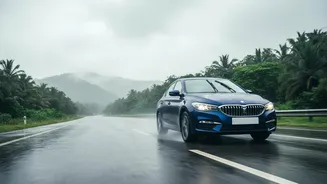
Before you even think about packing, your vehicle needs a thorough check-up. Wet roads and reduced visibility are the biggest challenges of monsoon driving. Start with your tyres; they are your only contact with the slippery road. Ensure they have adequate
tread depth—at least 2mm—to prevent hydroplaning and provide better grip. Properly inflated tyres are just as crucial. Next, inspect your wiper blades. Summer heat can make the rubber brittle and cracked, rendering them useless in a downpour. If they leave streaks or smudges, replace them. Top up your wiper fluid as well. Finally, test all your lights: headlights, tail-lights, brake lights, and indicators. Clear visibility is essential not only for you to see but for others to see you.
Assemble a Health and Safety Kit
The rainy season can bring a spike in water-borne diseases and other health issues. Your travel kit should reflect this. Pack a comprehensive first-aid box with essentials like antiseptic, bandages, pain relievers, and any personal prescription medications. Given the rise in mosquito populations during the monsoon, a potent insect repellent is non-negotiable to protect against diseases like dengue and malaria. It's also wise to carry your own bottled water or a means of water purification, as contamination risks are higher. Avoid consuming street food or pre-cut fruits that have been exposed to the open air. Hand sanitizer is another must-have for maintaining hygiene on the go, especially before meals.
Pack Smart, Not Heavy
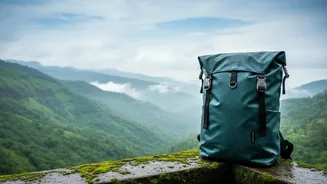
When it comes to monsoon packing, the choice of fabric is key. Opt for synthetic, quick-drying clothes over cotton, which takes a long time to dry once damp. A lightweight waterproof jacket or a reliable poncho is essential. Always pack at least one extra set of dry clothes, sealed in a waterproof bag, even for a day trip. Footwear is critical; choose waterproof sandals or boots with a good grip to navigate wet and muddy paths. Avoid wearing brand-new shoes that haven't been broken in. A compact, quick-drying microfibre towel is far more practical than a bulky cotton one. To keep everything organised and protected, consider lining your main backpack with a large plastic bag before you start packing.
Protect Your Electronics and Gadgets
Water and electronics do not mix, and a sudden downpour can ruin your expensive gadgets. The simplest solution is to use waterproof bags or pouches for your phone, camera, and other valuables. Ziplock bags are a great budget-friendly alternative for smaller items like your phone, wallet, and documents. For larger items like a laptop, placing it inside a sturdy plastic bag before putting it in your backpack offers an extra layer of protection. Power cuts can be more frequent during the monsoon, so a fully charged power bank is a lifesaver to keep your devices running, especially if you rely on your phone for navigation. Never leave your phone in a jacket pocket, as rain can easily seep in.
Plan Your Route and Be Flexible
Monsoon travel requires a flexible mindset. Before you leave, check the weather forecast for your destination and along your route. Use navigation apps that provide real-time updates on road conditions, potential waterlogging, or landslides. It is always a good idea to have a backup plan or an alternative route in mind. Inform family or friends of your itinerary before you depart. Pack some non-perishable snacks like granola bars, nuts, or biscuits, and an adequate supply of drinking water. This can be incredibly helpful if you get stuck in traffic due to heavy rain or face unexpected delays.