







1. Golden Turmeric Milk
A staple in Indian households for generations, Haldi Doodh is the ultimate monsoon comfort drink. Turmeric contains curcumin, a compound celebrated for its powerful anti-inflammatory and antioxidant properties. A warm glass before bed can help boost your
immune system, soothe a sore throat, and fight off the infections that are common during the rainy season. The combination of turmeric's antibacterial properties and warm milk makes it a time-tested remedy for overall wellness.
2. Ginger and Garlic Power Duo
This pungent pair is essential for any monsoon kitchen. Ginger is known for its ability to soothe an upset stomach and combat nausea, common issues when digestion slows down in humid weather. It also helps relieve respiratory congestion. Garlic contains allicin, a compound with potent antibacterial and antiviral properties. Incorporating both into your daily cooking—in dals, soups, and stir-fries—can significantly strengthen your body's defences against seasonal colds and flu.
3. Light and Easy Moong Dal
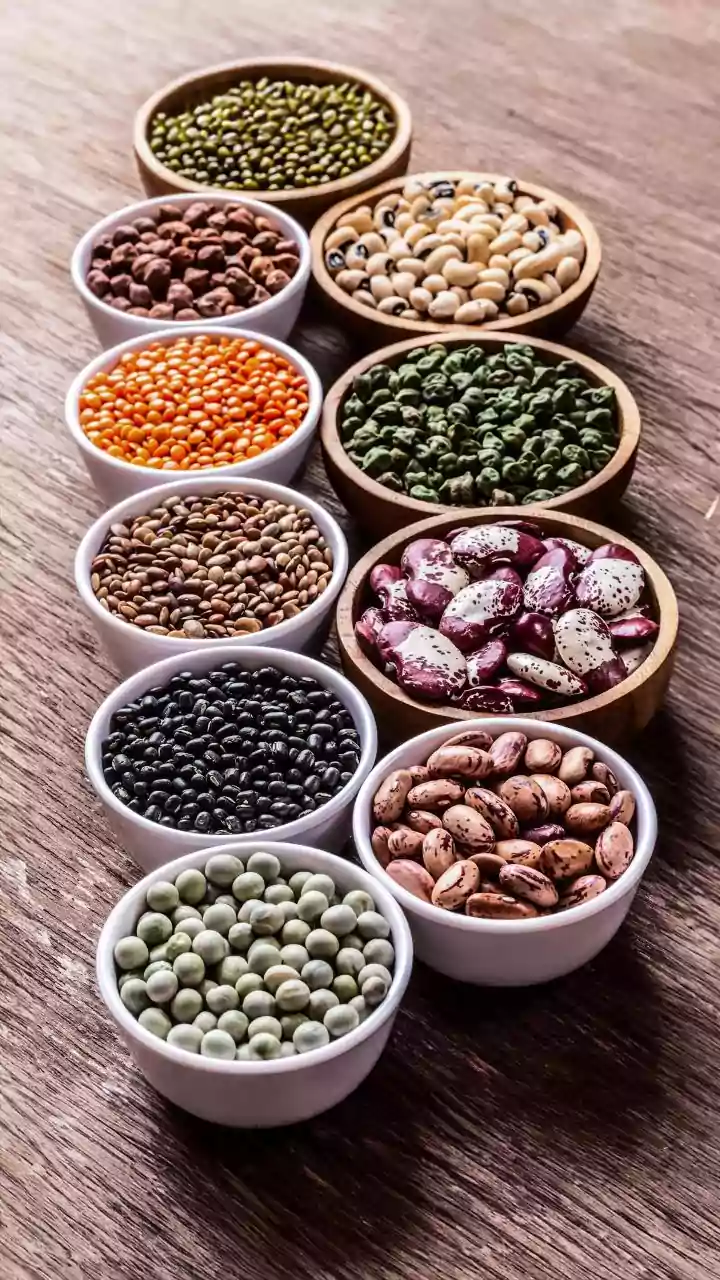
During the monsoon, our digestive system can become sluggish. Moong dal is prized in Ayurveda for being one of the easiest lentils to digest. It’s packed with protein and fibre but is light on the stomach, helping to prevent bloating and discomfort. A simple moong dal soup or a warm khichdi is not just comfort food; it's a gut-friendly meal that provides sustained energy without feeling heavy, making it perfect for a rainy day dinner.
4. Warming Vegetable Soups
There’s nothing quite like a steaming bowl of soup on a cool, rainy evening. Soups are an excellent way to stay hydrated and pack in a variety of nutrients from different vegetables. A classic tomato shorba, rich in Vitamin C, or a mixed vegetable soup provides warmth and helps fight infections. Adding spices like black pepper and cumin not only enhances the flavour but also aids digestion and helps clear congestion.
5. Seasonal Fruits Like Jamun and Pears
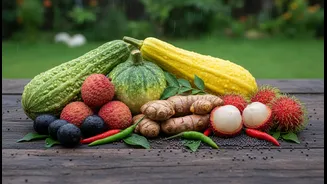
Nature provides the best foods for every season. Monsoon brings fruits like Jamun (Indian blackberry), pears, plums, and pomegranates. Jamun is particularly beneficial as it is rich in iron, antioxidants, and vitamins. Pears are high in fibre and aid digestion. Opting for these seasonal fruits helps ensure you are getting a fresh supply of essential nutrients to keep your immunity strong. Always wash fruits thoroughly before eating.
6. Roasted Corn (Bhutta)
The quintessential monsoon snack, roasted corn on the cob is a far healthier choice than its deep-fried counterparts. Bhutta is a good source of fibre, which supports gut health, and contains antioxidants. When roasted over charcoal and seasoned with lime juice and a pinch of salt, it becomes a delicious and satisfying snack that perfectly captures the essence of the season without compromising your health goals.
7. Probiotic-Rich Yogurt (Dahi)
Gut health is the foundation of a strong immune system. Yogurt and other fermented foods are rich in probiotics, the 'good' bacteria that help maintain a healthy balance in your digestive tract. Including fresh, homemade curd in your daily diet, especially during lunch, can help prevent common monsoon digestive issues like bloating and indigestion. A healthy gut is better equipped to fight off pathogens, making probiotics a key part of your monsoon diet.
8. Spiced Herbal Teas
A warm cup of herbal tea can be incredibly soothing during the monsoon. Traditional Indian preparations like 'Kadha'—a decoction made with tulsi (holy basil), ginger, black pepper, and cinnamon—are excellent for preventing coughs and colds. These spices have antimicrobial and anti-inflammatory properties that help clear the respiratory tract and boost overall immunity. Sipping on these warm beverages throughout the day keeps you hydrated and protected.
9. Bitter Vegetables
Ayurveda recommends including bitter-tasting vegetables like Karela (bitter gourd) and Neem during the monsoon. These vegetables are traditionally believed to have properties that help ward off infections. They are packed with essential nutrients and antioxidants that support liver function and purify the blood. While they might be an acquired taste, including them in your diet a few times a week, perhaps in a lightly spiced stir-fry, can offer significant health benefits.
10. Nuts and Seeds
A handful of nuts and seeds like almonds, walnuts, and flaxseeds can be a great addition to your monsoon diet. Almonds are rich in Vitamin E, while walnuts provide omega-3 fatty acids, both of which are crucial for a strong immune response. They make for a filling and nutritious snack, helping you avoid unhealthy, processed options when hunger strikes between meals. They provide sustained energy, which is perfect for combating the lethargy that can accompany gloomy weather.