


What is 'Swicy' Butter Pav?
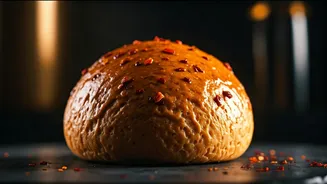
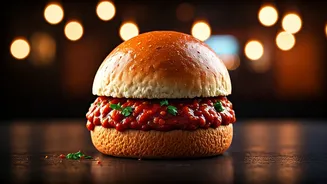
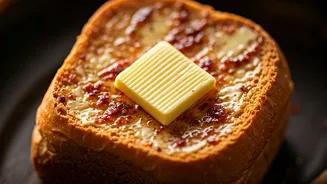
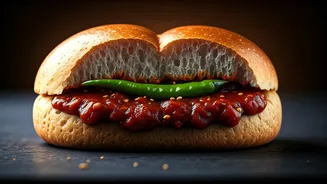
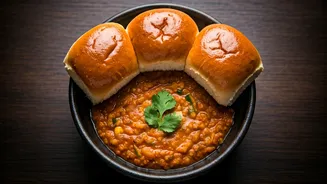
Imagine the familiar comfort of a soft pav, lavishly coated in butter and toasted on a hot tawa. Now, add a surprising new dimension. [18] The 'swicy' version introduces a glaze or a masala mix that hits two distinct flavour notes at once: sweet and spicy.
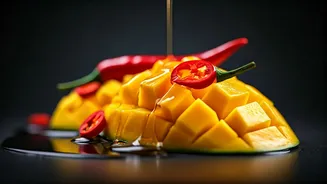
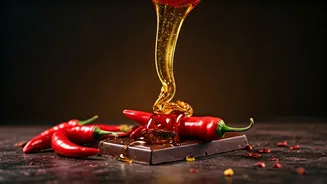
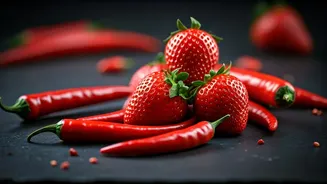
The sweetness often comes from honey, jaggery, or even a tamarind chutney, while the spicy kick is delivered by red chilli flakes, fiery garlic chutney, or a special masala blend. [2, 19] The result is a multi-layered experience where the richness of the butter is first cut by sweetness, then followed by a pleasant, lingering heat that makes you crave another bite. [7]
The Culinary Logic: Why It Works
The combination of sweet and spicy is not just a trend; it's a culinary principle rooted in science. [11] Spicy foods, containing compounds like capsaicin from chillies, trigger a mild pain response in our brains, which in turn releases pleasure-inducing endorphins. [2, 7] Sweetness helps to mellow this heat, making the spiciness more accessible and less overwhelming. [4] This contrast creates a more complex and engaging flavour profile than a one-note snack. [4, 16] The brain craves this variety, finding the balance deeply satisfying. [16] In the context of butter pav, the fat from the butter carries the flavours, while the sweetness balances the richness and the spice adds an exciting edge.
A Modern Twist on an Old Tradition
While a 'swicy' butter pav might seem like a brand-new invention, the flavour combination has deep roots in Indian cuisine. [24] From the sweet and tangy notes of chaat chutneys to the sweet-sour-spicy balance in Gujarati dal or Parsi dhansak, Indian palates have long appreciated this complexity. [9, 24] Guava sprinkled with chilli powder and salt is a classic example. The 'swicy' trend is simply a modern packaging of a time-tested flavour philosophy, applying it to beloved formats like pav. [24] The term 'swicy' itself, a portmanteau of sweet and spicy, has gained global traction on social media, but the concept has been thriving on Indian streets for generations. [4, 7, 24]
The Evolution of Indian Street Food
The 'swicy' butter pav is a perfect example of the constant evolution of Indian street food. The pav itself, introduced to India by the Portuguese, was first adopted into Mumbai's working-class diet as a quick, affordable meal. [22, 23, 26] It became the vehicle for everything from vada and bhaji to keema. [25, 27] Over the decades, street food has adapted to changing tastes and global influences, leading to fusion creations like butter chicken tacos and tandoori momos. [8, 10] This new take on butter pav reflects a growing demand for more adventurous and multi-dimensional flavours, particularly among younger consumers who are exposed to global trends like Korean gochujang and Mexican tajin. [3, 4]