






From a Monthly Snapshot to a Weekly Logbook
Until recently, banks and other lenders in India typically reported your loan and credit card activities to credit bureaus like CIBIL, Experian, and Equifax on a monthly or fortnightly basis. This meant that any financial move you made—whether positive
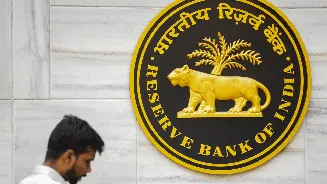
or negative—could take 30 to 45 days to appear on your credit report. However, the Reserve Bank of India (RBI) has introduced a new framework to create a more efficient and transparent credit ecosystem. Starting July 1, 2026, all regulated lenders are mandated to submit borrower data to credit bureaus every single week. This directive transforms your credit report from a dated monthly photograph into a nearly current weekly logbook, ensuring that lenders have a much fresher picture of your financial health.
The Upside: Faster Rewards for Good Behaviour
The most significant benefit for consumers is the speed at which positive financial actions will now be recognised. Under the old system, if you were working hard to improve your credit score for an upcoming home loan application, you faced a long wait. Now, actions like prepaying a personal loan, clearing a high credit card balance, or even consistently making on-time EMI payments will be reflected in your credit profile much faster. Closing a loan account, which previously took weeks to update, will now be recorded promptly, freeing up your credit capacity and potentially improving your score in a shorter timeframe. This change empowers financially disciplined individuals, as their good habits will translate into a stronger credit profile sooner, giving them quicker access to better loan terms and interest rates.
The Flip Side: A Smaller Margin for Error
While faster updates are great for good behaviour, the system works both ways. The new weekly reporting cycle also means that negative actions will appear on your record just as quickly. A single missed EMI payment or a sudden spike in your credit card utilisation could impact your score within days, not weeks. There is less of a buffer period to correct a mistake before it gets reported. This shift underscores the need for consistent financial discipline. It's no longer enough to clean up your credit habits only when you are about to apply for a loan. The system now demands constant vigilance, as even a minor slip-up can become visible to potential lenders almost immediately.
What This Means for Your Next Loan Application
When you apply for a new loan or credit card, lenders will be making decisions based on more current information than ever before. This reduces the risk of being unfairly judged on outdated data. For instance, a loan you fully paid off two weeks ago will now correctly show as closed. However, it also means that your financial conduct in the days leading up to an application is critical. Some lenders even perform a final credit check between the loan approval and the final disbursal. With weekly updates, any new credit you’ve taken on or a payment you’ve missed in that short window could be flagged, potentially affecting the final terms or even the approval itself.
Adapting to the New Rules of Credit Health
The move to weekly reporting is a clear signal from the RBI that it is moving towards a near-real-time credit monitoring system. For consumers, this reinforces the importance of fundamental good habits. The key is no longer just to pay your bills, but to pay them on time, every time. It’s also crucial to keep your credit utilisation ratio—the amount of credit you use compared to your total limit—as low as possible. Regularly monitoring your own credit report from all four bureaus will become more important to catch any errors or fraudulent activity quickly. In this new, faster-paced credit environment, consistency is the new currency.