





Beyond the Picture-Perfect Post
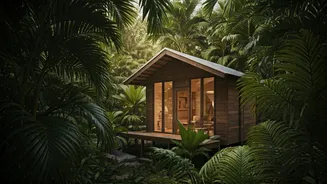
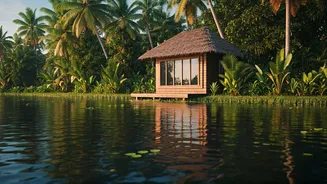
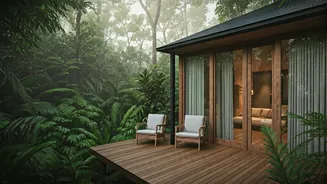
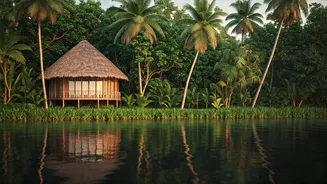
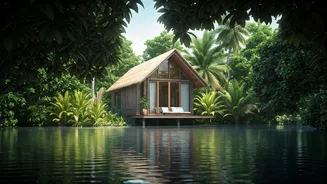
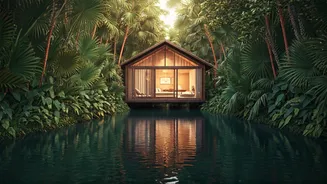
The images are undeniably alluring. A couple sharing a cup of tea on a private verandah as a canoe glides by; a book resting on a windowsill that frames a canopy of coconut palms. But the viral popularity of Kerala’s backwater eco-cabins points to a deeper
shift in what Indian travellers are seeking. After years of packed itineraries and tourist-heavy hotspots, there is a growing desire for something quieter, slower, and more connected to nature. These cabins are not just photogenic; they are the physical embodiment of a desire to disconnect from the chaos and reconnect with a partner, and with the environment, in a meaningful way.
The Magic of the Backwaters
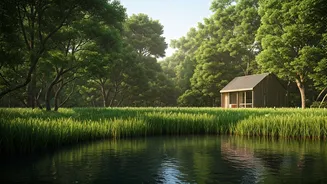
To understand the appeal of the cabins, one must first understand the magic of their location. The Kerala backwaters are a labyrinthine network of lakes, canals, and lagoons stretching parallel to the Arabian Sea coast. Life here moves at a different pace, dictated by the gentle rhythm of the water. The soundtrack is not of city traffic but of bird calls, the splash of an oar, and the rustle of palm leaves. Traditionally, the way to experience this was on a ‘Kettuvallam,’ a large, converted rice barge. While still popular, the new wave of eco-cabins offers a different kind of immersion—one that is more private, stationary, and intimate.
Defining the 'Eco' Experience
The 'eco' in eco-cabin is not just a marketing buzzword. For many properties, it represents a genuine commitment to sustainability. This often starts with the construction itself, using locally sourced, natural materials like bamboo, reclaimed wood, and coir that blend seamlessly into the landscape. It extends to operations: solar power for electricity, responsible waste management systems that don't pollute the delicate waterways, and kitchens that prioritise locally grown produce, often sourced from neighbouring villages or their own organic gardens. This approach offers travellers a guilt-free indulgence, allowing them to enjoy luxury that doesn’t come at the expense of the environment.
Intimacy Over Itineraries
Unlike a hotel stay, where the day is structured around check-out times and sightseeing schedules, the eco-cabin experience is built on freedom and slow living. There is no pressure to *do* anything. The main activity is simply *being*. It’s about waking up to the mist rising off the water, enjoying long, unhurried meals, and watching the sunset paint the sky in hues of orange and pink. This focus on unstructured time is particularly appealing to couples, providing a serene backdrop for conversation and connection, away from the distractions of daily life. The romance is not manufactured; it’s a natural byproduct of the tranquil, private setting.
A Modern Twist on Tradition
These cabins are not simply rustic shacks. Many offer a blend of traditional aesthetics and modern comforts. You might find an open-air bathroom with contemporary fittings, high-speed Wi-Fi alongside handcrafted furniture, and plush bedding in a room with thatched roofs. This fusion makes the experience accessible to a wider audience, who want the charm of a rural escape without sacrificing comfort. They are a modern reinterpretation of a Keralan getaway, taking the timeless beauty of the backwaters and presenting it in a format that speaks directly to the desires of the contemporary traveller: authenticity, sustainability, and quiet luxury.