


Why Seasonal Is Always Smarter
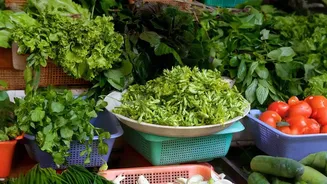
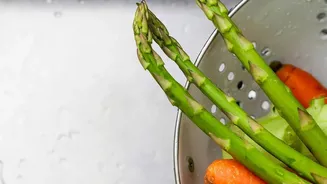
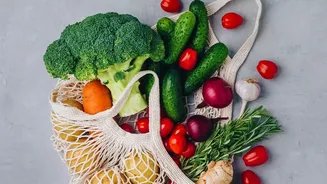
Before we dive into the 'how,' let's talk about the 'why.' Choosing seasonal vegetables is the secret weapon of savvy home cooks. Produce that is in season is at its peak in terms of flavour and nutritional value. Because it's abundant, it's also significantly
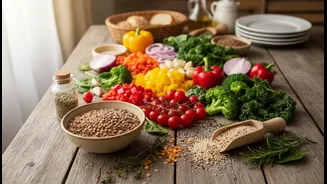
cheaper. Think of vibrant spinach and methi in the winter, juicy tomatoes and bhindi in the summer, or hearty pumpkins and carrots during the monsoon. Aligning your shopping with the seasons ensures you get the best quality produce for the lowest price, setting a strong foundation for your meal prep.
The 'Component Prep' Power Move
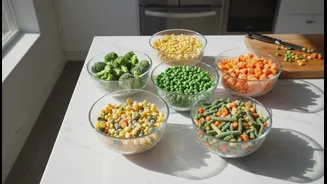
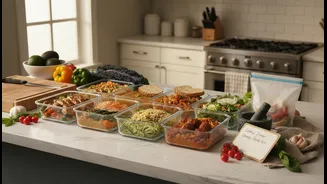
Instead of cooking entire meals in advance, which can feel restrictive, try prepping components. This gives you flexibility throughout the week. Spend an hour or two washing, chopping, and storing your vegetables. Onions, carrots, bell peppers, and beans can be chopped and stored in airtight containers. You can even create a versatile 'curry base' by sautéing onions, ginger, garlic, and tomatoes, which can be refrigerated or frozen. With these components ready, throwing together a quick sabzi, stir-fry, or pulao becomes a 15-minute task, not a 45-minute chore.
Master the Sheet Pan Roast
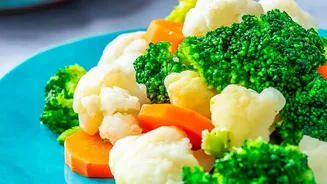
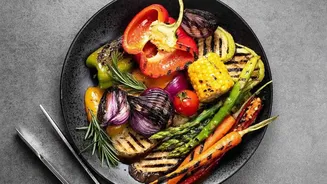
Roasting is one of the easiest ways to cook a large batch of vegetables with minimal effort and maximum flavour. Simply toss chopped hardy vegetables like cauliflower, broccoli, potatoes, sweet potatoes, and carrots with some oil and your favourite spices, spread them on a baking sheet, and roast until tender and caramelised. These roasted veggies can be used in countless ways: as a side dish, added to salads, tossed into pasta, or blended into a hearty soup. It's a low-effort technique that yields delicious, versatile results for the week ahead.
The Build-Your-Own-Bowl Bar
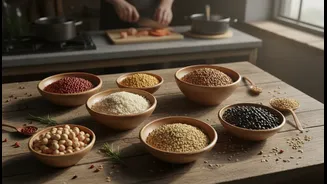
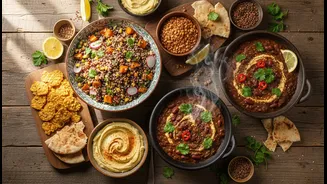
A fantastic strategy for varied lunches and dinners is creating a 'bowl bar' in your fridge. Prep several components separately: a cooked grain (like rice or millets), a protein (like boiled chickpeas or paneer), a couple of prepped raw or roasted vegetables, and a simple dressing or chutney. Each day, you can assemble a different combination, preventing flavour fatigue. This method is brilliant for families with different preferences and ensures you have a healthy, customisable meal ready to go in minutes.
Smart Storage for Lasting Freshness
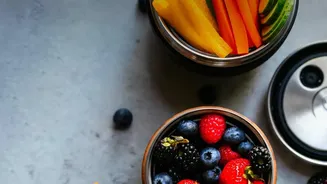
Your meal prep is only as good as its storage. To prevent your hard work from going to waste, proper storage is key. For chopped vegetables like carrots, celery, or potatoes, storing them in containers of water in the fridge can keep them crisp. For greens, wash and dry them thoroughly before storing them in a container lined with a paper towel to absorb excess moisture. Cruciferous vegetables like broccoli and cauliflower are best stored in a container that is slightly vented. These simple steps can extend the life of your prepped produce by days.
Don't Forget Flavour Boosters
The difference between a bland meal and a brilliant one often comes down to the sauce. While you're prepping your vegetables, take a few extra minutes to whip up a versatile chutney or dressing. A simple pudina chutney, a tamarind dressing, or a batch of ginger-garlic paste can elevate your meals instantly. Storing these flavour boosters in small jars in the fridge means you can add a punch of flavour to your prepped veggies without any extra effort during a busy weeknight.