



Defining the Earthy Aesthetic
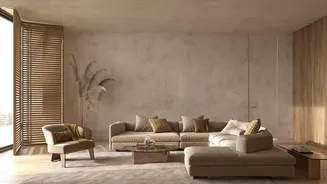
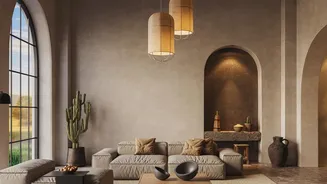
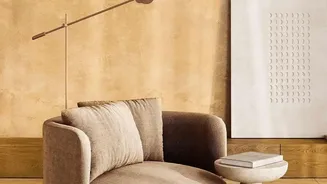
Earthy interior design is a style that emphasizes natural, organic elements to create a serene and welcoming atmosphere. It’s a move away from stark, minimalist spaces towards environments that feel warm and lived-in. The core idea is to bring the calming
essence of the outdoors inside, using a palette and materials drawn directly from nature. This approach, often linked with principles of biophilic design, recognizes our innate need to connect with the natural world for our well-being. It’s about creating a sensory experience—the feel of a linen throw, the look of wood grain, and the tranquility of a space filled with natural light. Unlike fleeting trends, this style has an enduring appeal because it taps into a fundamental desire for comfort and authenticity.
The Foundational Color Palette
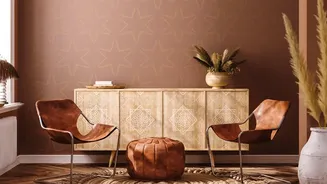
The colour scheme is the bedrock of any earthy interior. Forget harsh, synthetic hues; this style celebrates the warm, muted tones found in the landscape. Think of colours like terracotta, clay, and rust, which add warmth and depth. These are complemented by various greens, from soft sage and moss to deep olive, evoking a sense of life and tranquility. The neutrals that tie everything together are equally important: sandy beiges, warm creams, and gentle greys provide a balanced and restful backdrop. This palette is inherently harmonious, allowing for easy mixing and matching to create a layered, sophisticated look that feels both grounded and inviting.
A Focus on Natural Materials
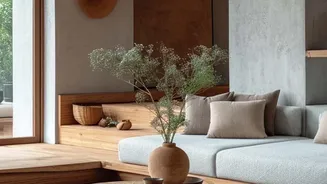
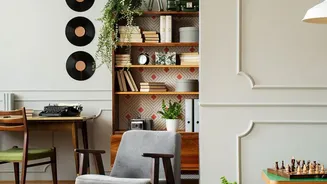
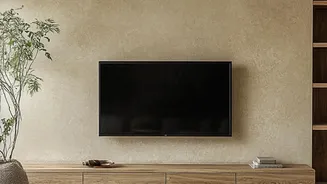
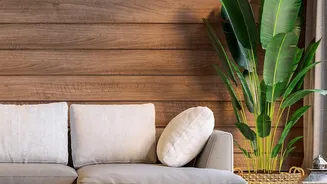
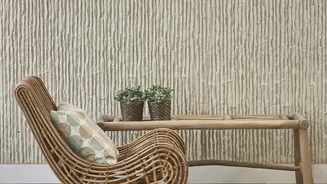
Materials are key to achieving an authentic earthy feel. The emphasis is on raw, tactile surfaces that celebrate their natural imperfections. Wood is a cornerstone, used not just for flooring and furniture but also as a decorative element. Look for pieces with a visible grain or a live edge to add character. Stone, whether it's marble, travertine, or granite, brings a sense of permanence and elegance, especially for countertops and accent walls. In textiles, the focus is on natural fibres. Linen curtains diffuse light beautifully, while woollen blankets, jute rugs, and cotton cushions add layers of softness and texture. Other materials like rattan, clay, and ceramics are perfect for accessories, adding handmade charm.
Bringing the Outdoors In
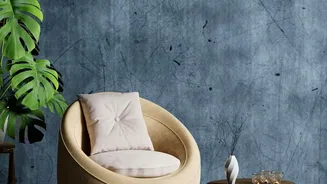
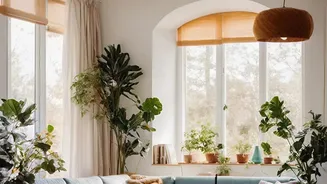
A true earthy interior actively blurs the line between inside and out. The most direct way to do this is by incorporating plants. Greenery not only adds colour and life but also improves air quality and reduces stress. You can start with a few potted plants or go for a more dramatic statement with a vertical garden or living wall. Maximizing natural light is another crucial element. Keep window treatments light and airy, and if possible, position furniture to take advantage of views of the outdoors. The goal is to make nature a visible and integral part of your daily living environment, enhancing the overall feeling of calm and connection.
Layering Textures for Ultimate Comfort
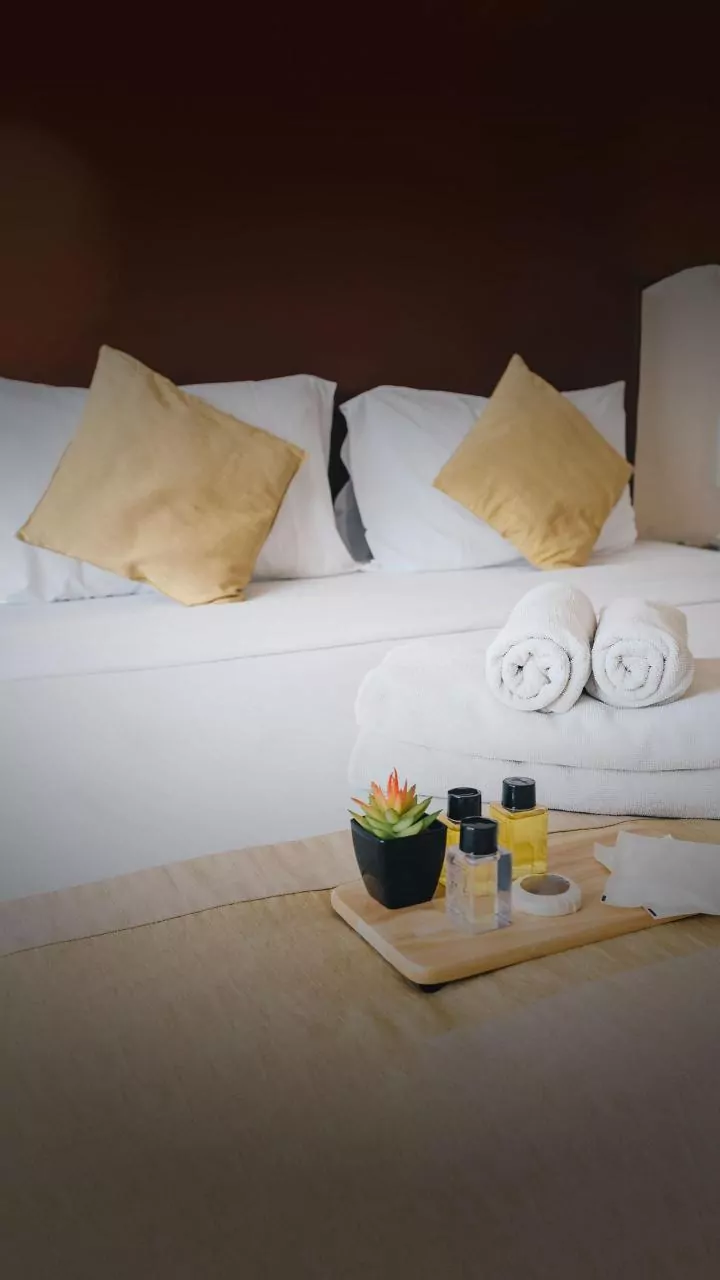
Comfort is a non-negotiable aspect of earthy design. While color and materials set the stage, it's the thoughtful layering of textures that creates a truly cozy and inviting space. The interplay between different surfaces—rough and smooth, soft and hard—adds depth and visual interest. Imagine a smooth wooden coffee table topped with a rough-hewn ceramic vase, placed on a soft, hand-woven rug. A leather armchair can be softened with a chunky knit throw, and a bed can be dressed in layers of linen and cotton. These combinations engage the senses and prevent the space from feeling flat or sterile. It's this tactile quality that makes an earthy interior feel like a warm embrace.
The Finishing Touches
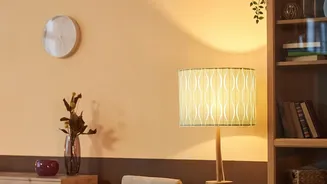
Accessories in an earthy interior should be chosen with intention. Opt for pieces that are simple, functional, and have an organic or handmade quality. Think of curved silhouettes in furniture that mimic natural forms, hand-thrown pottery, and wooden bowls. Artwork can feature botanical prints or abstract landscapes that reinforce the natural theme. Avoid clutter; instead, curate a collection of meaningful objects that enhance the serene atmosphere. The lighting should also be warm and layered, combining ambient light with task lamps to create a soft, inviting glow in the evenings. The result is a space that feels personal, peaceful, and effortlessly stylish.