



Embrace Multi-Functionality
In a small apartment, every piece of furniture should earn its keep. Look for items that serve two or more purposes. A sofa that doubles as a bed is a classic choice for studio apartments or homes that need a guest space without a dedicated guest room.
Consider a coffee table with a lift-top that can transform into a dining surface or a workstation. Ottomans and benches with built-in storage are perfect for hiding away blankets, magazines, or shoes while also providing extra seating. This approach reduces the number of individual furniture items you need, instantly freeing up valuable floor space.
Get the Scale and Proportions Right
One of the biggest mistakes in furnishing a small space is choosing pieces that are too large. A bulky, overstuffed sofa can consume a room, making it feel cramped and difficult to navigate. Look for 'apartment-sized' or 'compact' versions of sofas, sectionals, and chairs, which often feature slimmer profiles and lower arms. Before you buy, measure your room, doorways, and hallways carefully. Use painter's tape to mark out the footprint of a potential furniture piece on your floor to get a real sense of how it will occupy the space and affect traffic flow.
Think Vertically to Maximise Space
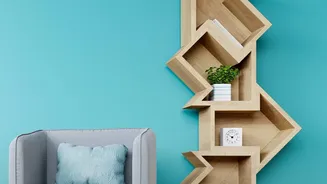
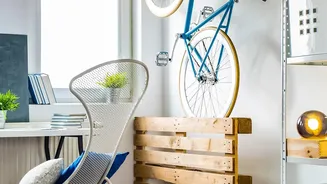
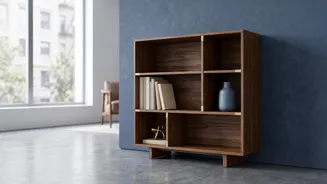
When you can't build outwards, the only way to go is up. Using vertical space draws the eye upward, creating an illusion of height and spaciousness. Floor-to-ceiling bookshelves are a fantastic way to add a huge amount of storage and create a dramatic feature wall. Consider wall-mounted desks that can be folded away when not in use or floating shelves to display decor without taking up any floor area. Even hanging your curtains higher and wider than the window frame can make the ceiling feel taller and the room grander.
Create a Sense of Visual Lightness
Furniture that allows you to see the floor underneath it creates a feeling of openness. Opt for sofas, consoles, and chairs with visible legs, which make pieces appear to float and allow light to flow through the room. Materials also play a crucial role. Transparent items like acrylic chairs or glass coffee tables take up very little visual space, almost disappearing into the room. Similarly, mirrors are an essential tool; a large mirror placed opposite a window can double the amount of light and create an illusion of depth, making any room feel bigger.
Use a Cohesive and Light Colour Palette
Colour has a profound impact on how we perceive space. Light and neutral colours—such as whites, beiges, and soft pastels—are excellent at reflecting light, which naturally makes a room feel more open and airy. Painting the walls, trim, and even the ceiling in the same light shade can blur the boundaries of the room, enhancing the sense of space. This doesn't mean your apartment has to be devoid of colour. You can introduce pops of vibrant hues through smaller accessories like cushions, throws, and artwork to add personality without overwhelming the space.
Prioritise Smart and Concealed Storage
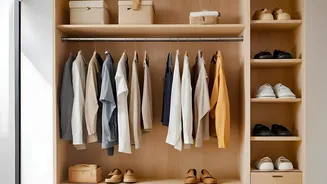
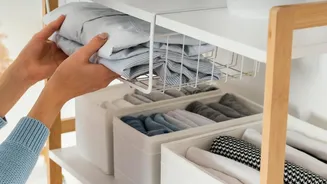
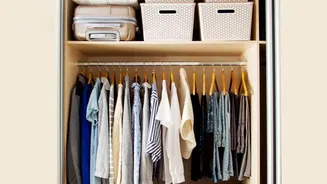
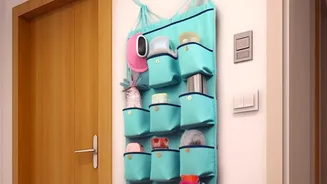
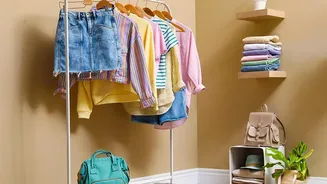
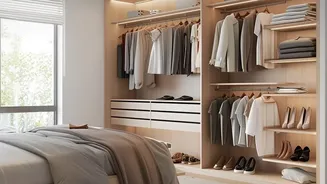
Clutter is the enemy of a small space, making visual organisation a top priority. Beyond the obvious bookshelves, look for furniture with integrated and hidden storage solutions. A bed frame with built-in drawers can eliminate the need for a bulky dresser. A TV unit with closed cabinets can hide away electronics and cables, maintaining a clean look. In the kitchen or entryway, rolling carts can provide flexible storage that can be moved as needed. The goal is to ensure that everything has a place, keeping surfaces clear and the overall environment feeling calm and uncluttered.