








The Old Rule: All About the Daily Total
If you’ve ever tried to build muscle, lose weight, or simply eat healthier, you’ve likely been told to track your protein. The conventional wisdom has long revolved around a single, all-important number: your total daily protein intake. The formula is familiar:
calculate a target based on your body weight and activity level—often somewhere between 1.2 to 2.0 grams per kilogram—and make sure you hit it by the end of the day. This approach treats protein like a bank account; as long as the daily deposit is made, the benefits are unlocked. For many, this has meant back-loading their intake with a large, protein-heavy dinner or relying on a massive post-workout shake, paying less attention to what happens at breakfast or lunch. While hitting your total is certainly crucial, a growing body of evidence suggests this is only half the story.
The New Twist: Protein Pacing and Distribution
The latest twist in nutrition science isn't about eating more protein, but about timing it better. The concept is called 'protein pacing' or 'protein distribution'. Recent research highlights that spreading your protein intake evenly across your meals throughout the day is significantly more effective for building muscle, managing weight, and improving metabolic health. The science behind this lies in how our bodies use protein to build and repair muscle, a process called muscle protein synthesis (MPS). Studies show that our muscles have a 'per-meal limit' for how much protein they can effectively use to stimulate MPS at one time. Consuming a huge 80-gram protein dinner doesn't necessarily produce a better result than a more modest 30-gram serving. By spacing out protein doses, you can trigger this muscle-building process multiple times a day.
Why Spreading It Out Works Better
Think of muscle protein synthesis as a light switch. Eating a sufficient dose of protein—generally 25 to 40 grams—flips the switch on for a few hours. If you eat most of your protein in one sitting, you flip the switch once, and it stays on for a limited time. The excess protein beyond what's needed for MPS is largely used for energy, not for building more muscle. However, if you 'pace' your protein every three to five hours, you get to flip that muscle-building switch multiple times, creating a more consistently anabolic (muscle-building) environment throughout the day. This strategy has been linked to superior results in recent studies, including greater fat loss, increased lean muscle mass, better blood sugar control, and reduced hunger. It helps prevent the body from entering a catabolic (muscle-breakdown) state between infrequent meals, which is particularly important for active individuals and older adults.
From Total Grams to Per-Meal Targets
So, how do you put this into practice? The key is to shift your mindset from one big daily goal to several smaller, meal-specific ones. Instead of obsessing over a total of 120 grams per day, aim for approximately 30-40 grams of protein at breakfast, lunch, and dinner. This front-loads your day with the nutrients needed for muscle maintenance and satiety. Many people's diets are skewed, with very little protein at breakfast and the vast majority consumed at dinner. Correcting this imbalance is one of the most powerful changes you can make. Start by analyzing your current eating pattern. A simple audit might reveal that your breakfast is mostly carbs, your lunch is moderate in protein, and your dinner is a protein overload. The goal is to balance these meals out. This doesn't mean you need to eat more, but rather redistribute your existing protein sources more evenly.
A Sample Day of Protein Pacing
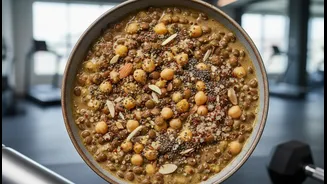
Making this switch can be delicious and straightforward. For breakfast, instead of just toast or cereal, consider incorporating eggs, Greek yogurt (dahi), paneer bhurji, or a protein-rich smoothie. For lunch, a generous serving of chicken, fish, tofu, or a lentil soup (dal) with a side of quinoa can easily get you to your target. Your dinner can remain a substantial meal with a similar protein portion. Snacks can also play a role; a handful of almonds, a serving of cottage cheese, or a small protein bar can help bridge the gap between main meals. The idea is to avoid long periods without protein. For those on plant-based diets, achieving this requires a bit more planning to ensure each meal contains a complete amino acid profile, but combining sources like beans and rice, or lentils and bread, remains an effective strategy. By focusing on these consistent, well-timed meals, you support your body’s needs all day long.