






The First Line of Defence: Surge Protectors
The most fundamental step in protecting your electronics is using a quality surge protector. Not to be confused with a simple power strip, a surge protector is designed to absorb and divert sudden, short-lived spikes in voltage, often caused by lightning
or when power is restored after an outage. These spikes can instantly fry the delicate circuits inside your gadgets like televisions, computers, and gaming consoles. When buying a surge protector, look for one with a good joule rating—the higher the better, as this indicates how much energy it can absorb before failing. Consider these for all your valuable electronics, from the entertainment centre to your home office setup.
For Unstable Power: The Role of a Voltage Stabilizer
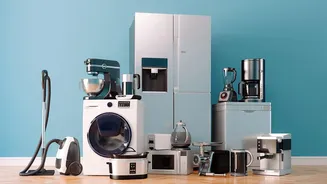
In many parts of India, the problem isn't just sudden surges but also frequent voltage fluctuations—sags and swells in the power supply. An Automatic Voltage Regulator (AVR), or stabilizer, is built for this. While a surge protector handles split-second spikes, a stabilizer continuously monitors and adjusts the voltage, ensuring your appliance receives a steady, safe current. This is crucial for high-consumption appliances with motors, like refrigerators and air conditioners. Low voltage can cause these motors to draw more current and overheat, leading to long-term damage, while high voltage can burn out components. For expensive appliances, a stabilizer is a wise investment.
During a Storm or Outage: Unplug Immediately
When the power goes out, your first instinct should be to unplug sensitive and valuable electronics. The most dangerous moment for an electronic device is often when the power returns. This restoration can be accompanied by a significant surge of electricity that can cause immediate and catastrophic damage. By unplugging devices like your microwave, television, computers, and Wi-Fi router, you physically disconnect them from this threat. It’s a simple, cost-free action that provides the best possible protection. You can leave one lamp plugged in so you have a visual cue for when the power is back on.
Power is Back: Wait Before You Reconnect
Once the lights come back on, resist the urge to immediately plug everything back in. The power supply can still be unstable in the first few minutes after restoration, with smaller surges and fluctuations. It is recommended to wait at least five to ten minutes for the grid to stabilize before you start reconnecting your devices. When you do, plug them in one by one rather than all at once. This prevents a sudden, large demand on your home’s electrical system and gives you a chance to check if each device is functioning correctly.
For Critical Devices: Consider a UPS
For electronics where even a momentary shutdown is a problem—like a desktop computer while you're working, or your Wi-Fi router—an Uninterruptible Power Supply (UPS) is essential. A UPS is a device with a built-in battery that provides instant power the moment an outage occurs. This gives you a window of time to save your work and safely shut down your computer, preventing data loss or file corruption. Many UPS models also include built-in surge protection and voltage regulation, offering comprehensive protection for your most critical equipment. However, a standard UPS is designed for low-power devices and short durations, not for running an entire house or large appliances like a fridge.