



The Unshakeable Biscuit Empire
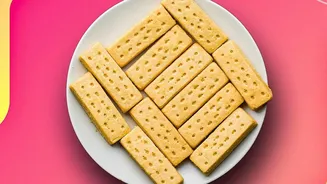
Let's be clear: biscuits are not going anywhere. For decades, they have been the undisputed king of Indian snacks, a staple in every household from the biggest metros to the smallest villages. The Indian biscuit market was valued at over USD 5 billion
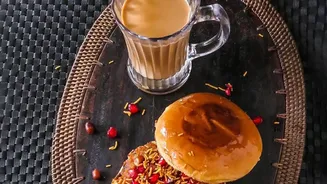
in 2024 and is still projected to grow at a healthy rate of over 6% annually. Brands like Parle and Britannia are deeply woven into the cultural fabric, representing affordability, comfort, and convenience. For a vast majority of Indians, biscuits are the default snack, the quick bite with tea, and the go-to for a moment of hunger. Their dominance is built on a massive distribution network and a price point that is accessible to all.
The Rise of the Mindful Muncher
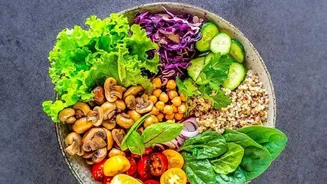
While the biscuit market continues to grow, a powerful new trend is reshaping the landscape: conscious consumption. A growing number of Indian consumers, particularly in urban areas, are becoming more health-conscious. This shift, accelerated by the post-pandemic focus on wellness, has led people to scrutinize labels and seek out foods that do more than just fill them up. Reports show a significant percentage of consumers actively look for natural ingredients, no artificial additives, and clear nutritional information. This quest for 'better-for-you' options has opened the door for a whole new category of snacks to challenge the old guard.
Makhana and Nuts: The New Superstars
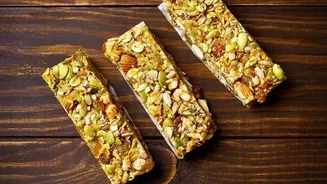
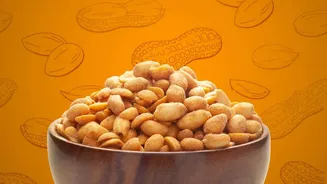
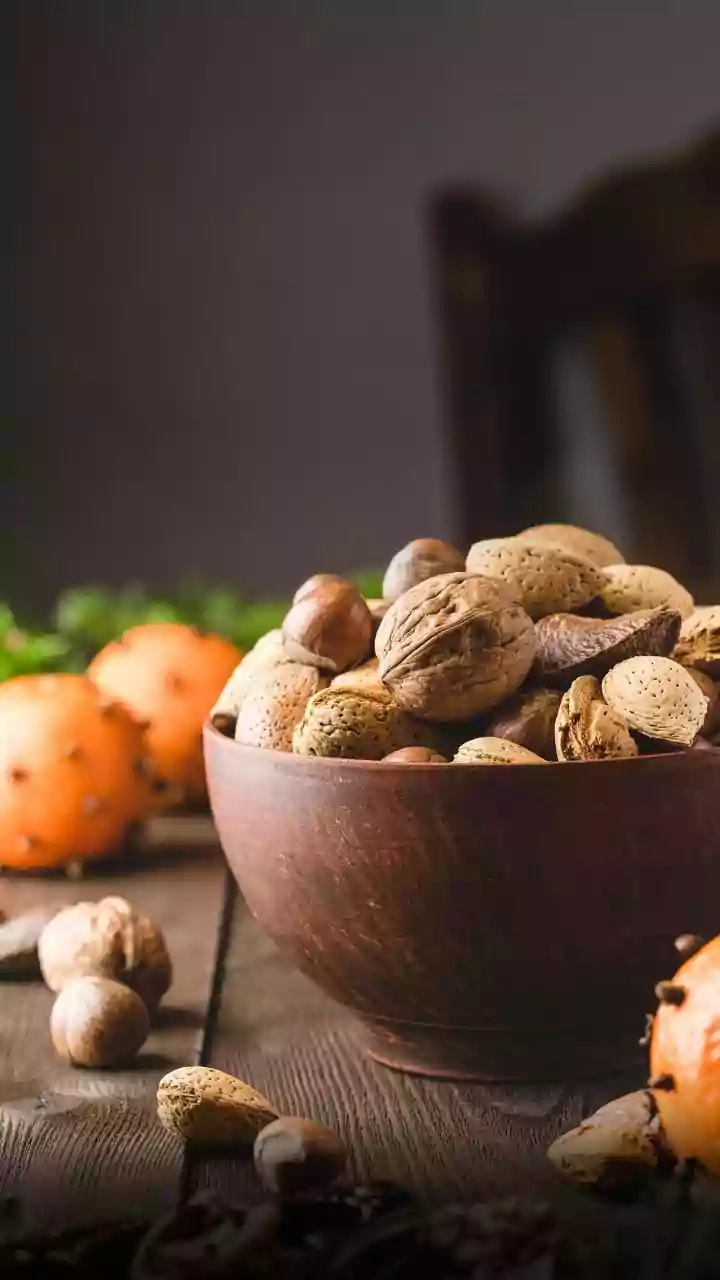
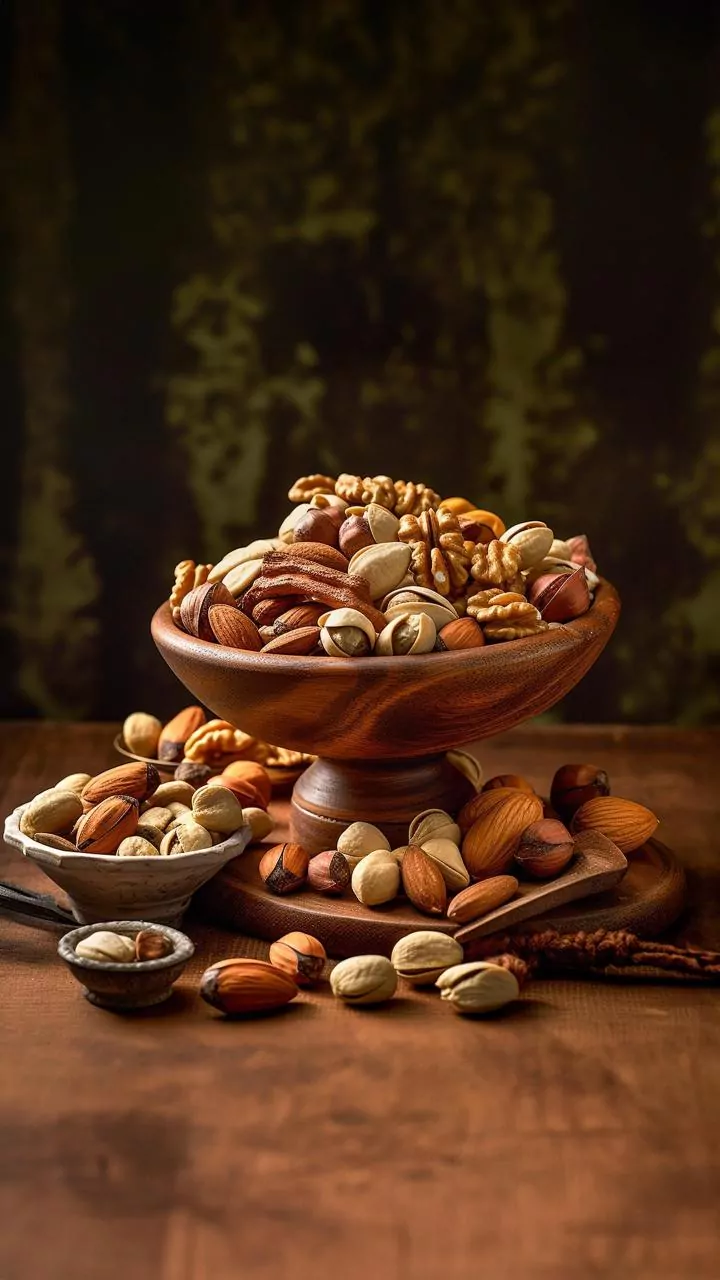
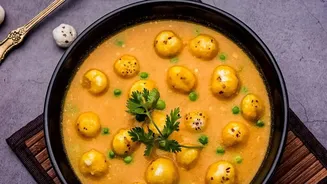
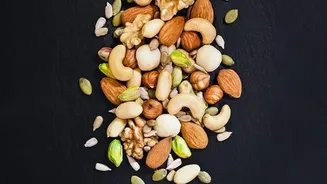
At the forefront of this healthy snacking wave are makhana (fox nuts) and assorted nuts. Once a humble, traditional food, makhana has been rebranded as a modern superfood. The Indian makhana market has seen explosive growth, with some projections showing it could become a Rs 12,000-crore industry by 2030. This surge is driven by its perception as a low-calorie, high-nutrient snack. Similarly, nuts and seeds, which already held a 41% share of the healthy snacks market in 2025, continue to be the largest and fastest-growing segment. Consumers are willing to pay a premium for these products, seeing them as a worthwhile investment in their health.
The Protein Punch
Another major driver of change is the growing obsession with protein. As fitness and wellness become lifestyle priorities, consumers are actively seeking protein-fortified foods. This has created a booming market for everything from protein bars and chips to protein-enriched versions of traditional foods. Quick commerce platforms have reported surges of over 150% in protein-related orders, with protein snacks themselves growing by as much as 300%. This trend caters to a specific desire for functional foods that support an active lifestyle, a space where traditional biscuits have struggled to compete without significant reformulation.
Replacement or Addition?
So, are Indians swapping their Parle-G for protein bars? The answer is more nuanced than a simple yes or no. For most people, it's not about replacement but addition. Consumers aren't necessarily abandoning biscuits altogether; they are expanding their snacking repertoire. They might still enjoy a biscuit with their morning tea but opt for a handful of almonds or roasted makhana for their 4 PM hunger pang. The healthy snacks market, valued at over USD 4.4 billion in 2025, is growing at a faster rate (around 8%) than the overall biscuit market. Even biscuit manufacturers are responding, launching healthier lines with whole grains, reduced sugar, and functional ingredients to cater to this evolving demand.