




The Modern Search for Satiety
Today’s wellness conversations are dominated by the concept of 'satiety'—the feeling of being full and satisfied after a meal. This has sparked a global industry of high-protein snacks, fibre-enriched foods, and meal-replacement shakes, all designed to
keep hunger at bay. The goal is to consume foods that provide lasting energy and prevent the unhealthy cravings that follow a less-than-satisfying meal. While the terminology is modern, the principle is ancient. Before 'macro-tracking' and 'satiety index' entered our vocabulary, Indian culinary traditions had already perfected the art of creating deeply filling meals using natural, whole ingredients.
The Balanced Thali Philosophy
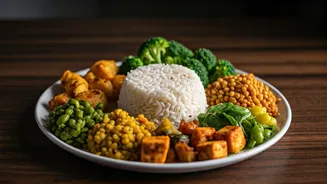
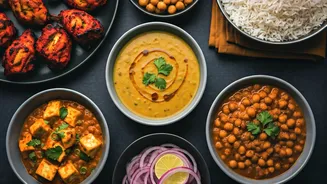
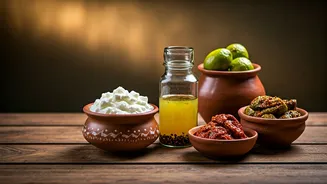
The genius of the traditional Indian meal lies in its inherent balance. Think of a simple, everyday thali: a portion of dal (lentils), a serving of sabzi (vegetables), a couple of rotis (whole wheat flatbread), and perhaps a small bowl of rice and curd. This isn't a random assortment; it's a scientifically sound combination of protein, complex carbohydrates, fibre, and healthy fats. This combination ensures a slower release of energy, preventing the sharp blood sugar spikes and crashes associated with refined foods. It's this holistic approach that provides a feeling of fullness that is both long-lasting and light on the stomach.
The Power of Pulses
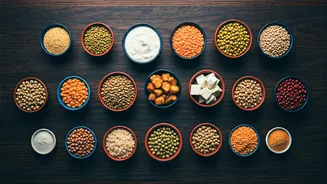
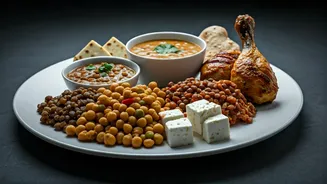
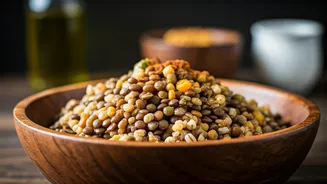
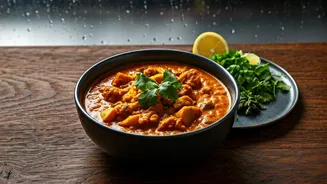
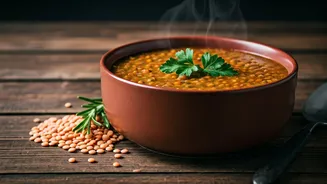
At the heart of nearly every Indian meal are pulses—lentils (dal), chickpeas (chana), and beans (rajma). These are nutritional powerhouses, delivering a powerful one-two punch of plant-based protein and dietary fibre. Protein is widely recognized as the most satiating macronutrient; it takes longer to digest, keeping you feeling full for hours. Fibre, meanwhile, adds bulk to meals without adding significant calories and slows down digestion. A single bowl of dal can provide a substantial amount of both, making it a cornerstone of a filling diet. Dishes like moong dal chilla, rajma curry, and chana masala are not just comfort food; they are expert lessons in satiety.
Whole Grains and Good Carbs
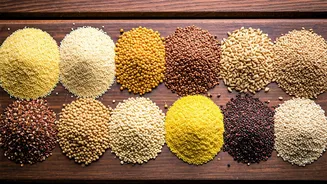
Indian cuisine has long championed whole grains over their refined counterparts. The humble chapati or roti, made from whole wheat flour (atta), is a fantastic source of complex carbohydrates and fibre. Similarly, traditional diets across different regions incorporate a variety of millets like bajra (pearl millet) and jowar (sorghum), which have a low glycemic index and are known to enhance satiety. These grains provide sustained energy and support digestive health, a stark contrast to the quick, empty calories from refined white flour (maida) found in many modern processed foods.
More Than Just Flavour
The role of vegetables and spices in Indian cooking extends far beyond taste and aroma. Vegetables add volume, water content, and crucial fibre to meals, contributing to the feeling of fullness. Spices, the soul of Indian food, also play a key role. Ingredients like ginger, cumin, and fenugreek are celebrated not just for their flavour but for their digestive properties. Cumin, for instance, stimulates the production of enzymes that help break down food, while ginger is known to soothe the digestive system. This synergy ensures that a meal is not only filling but also easily digestible and nourishing.